Giorgio Morandi
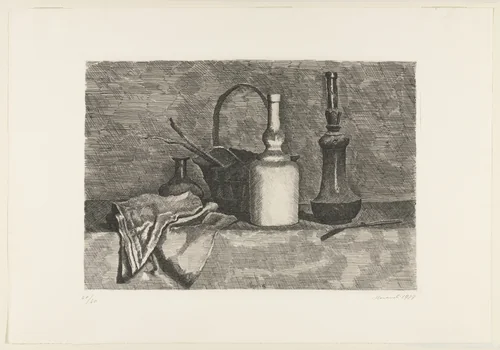
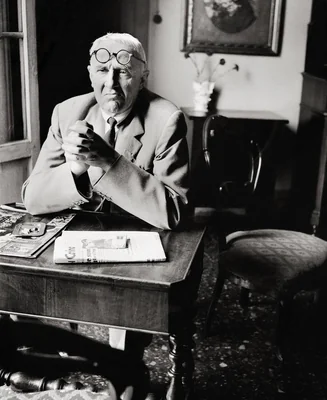
Giorgio Morandi (1890–1964) stands as one of the most influential and singular figures in 20th-century Italian art. The painter and printmaker is internationally recognized for his intense dedication to the still-life, transforming humble ceramic vessels, flowers, and landscapes into profound investigations of form, light, and geometry. His works, held in major collections including the Museum of Modern Art, offer a masterclass in subtlety and atmospheric reduction.
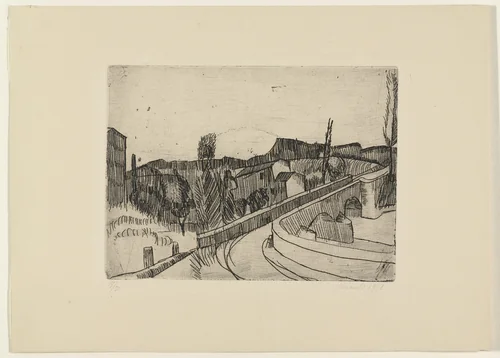
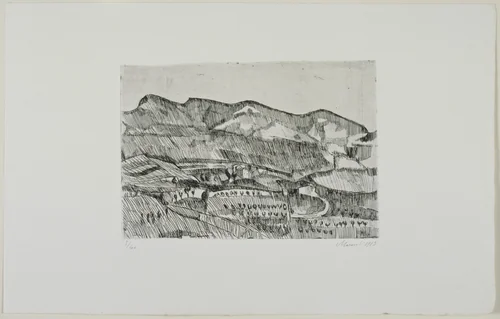
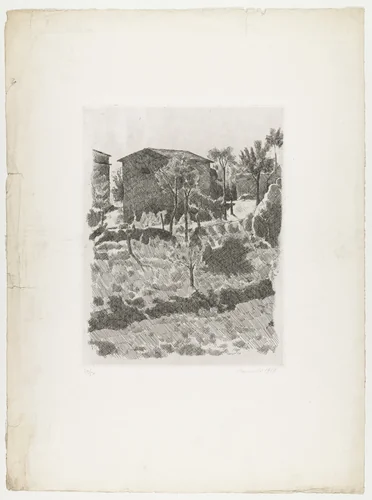
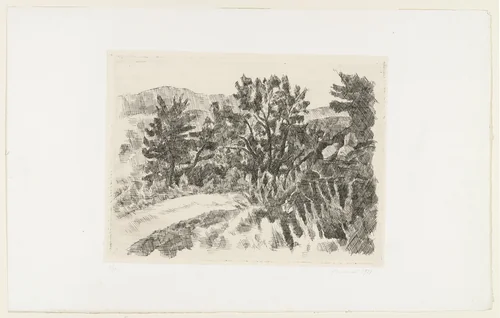
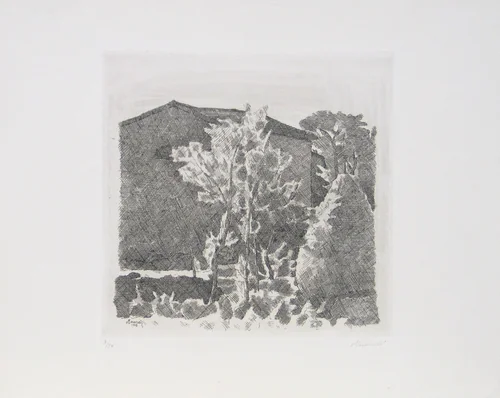
Active early in his career, particularly during the period between 1912 and 1928, Morandi moved away from the stylistic clamor of his contemporaries to focus on disciplined, introspective observation. His early etchings, such as Bridge over the Savena, Bologna and the meticulous Landscape, demonstrate his evolving commitment to reducing objects to their essential, almost architectural identity. Though primarily celebrated for his Giorgio Morandi paintings, his output of etchings, six of which are noted from this period, rivals the quality of his canvases and showcases an exceptional draftsman’s skill.
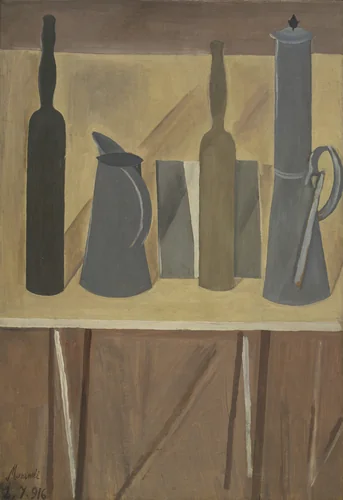
Morandi’s renown rests upon his ability to elicit extraordinary complexity from minimal subjects. He used a notably restricted and subtly muted palette, layering color and texture to achieve a meditative, almost timeless quality. The effect is one of quiet formalism, where the space between objects becomes as significant as the objects themselves. Works like the early painting Still Life and the print Hillside in the Morning exemplify this focused reduction.
Morandi achieved global recognition not despite, but perhaps because of, his intense self-imposed constraints. He famously confined his artistic world to the intimate surroundings of his studio in Bologna, often painting the same grouping of vessels for decades. This refusal to engage with external drama suggests that true innovation lies in finding new ways to see the familiar, rather than finding new things to depict. For contemporary students of line and composition, museum-quality images and high-quality prints derived from his work remain essential documents of modern European painting.
Source: Wikipedia · CC BY-SA 4.0