Giorgio de Chirico
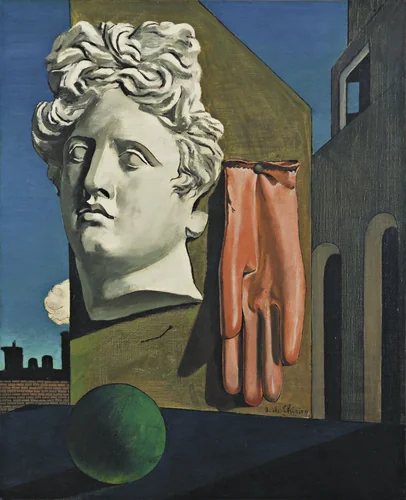
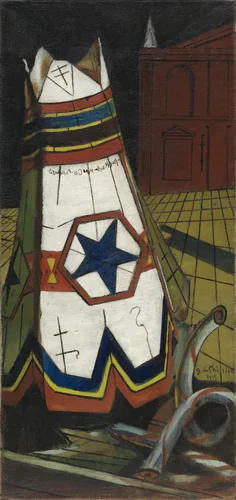
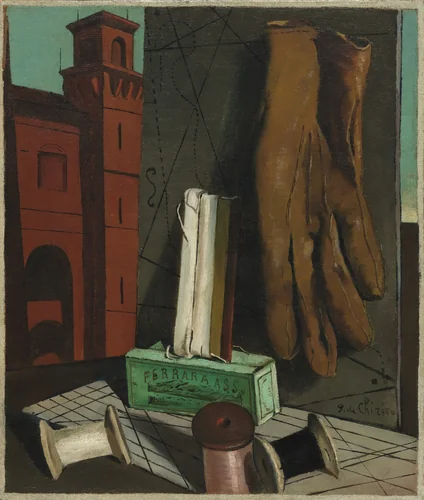
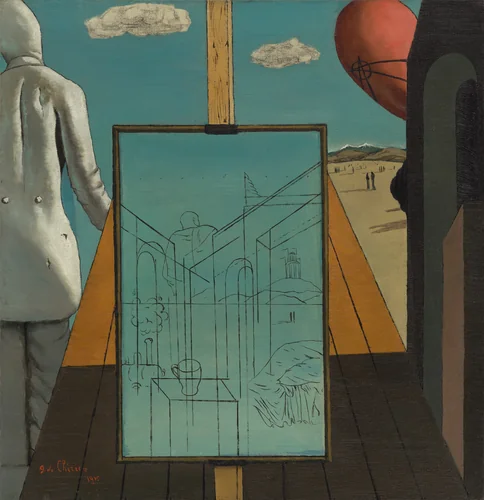
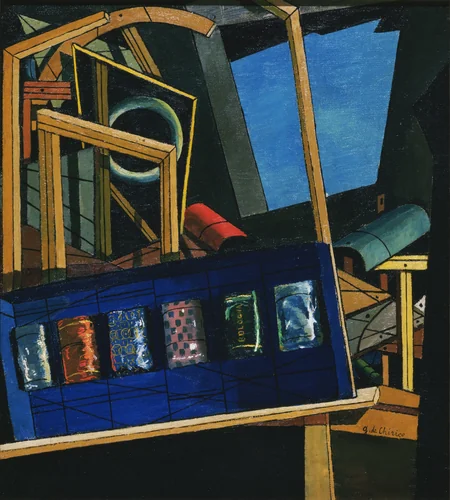
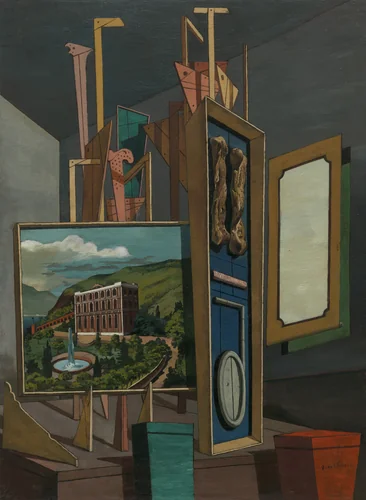
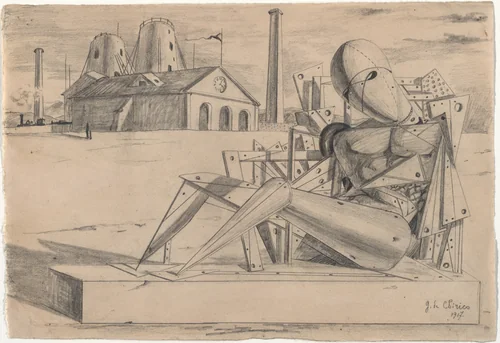
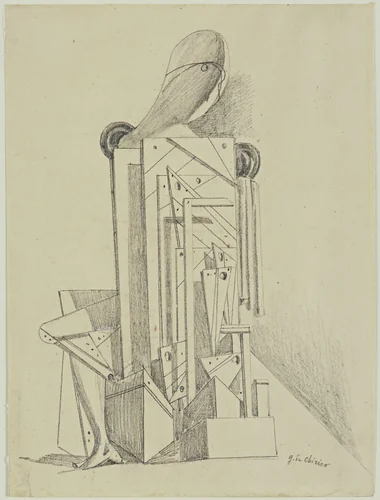
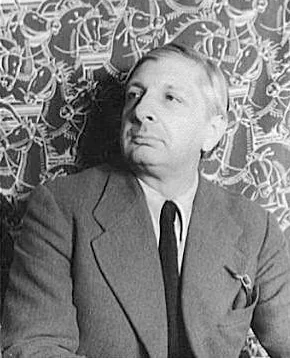
Giuseppe Maria Alberto Giorgio de Chirico (1888-1978) was an Italian painter and writer whose brief but incandescent early period fundamentally altered the trajectory of modern art. Born in Greece, De Chirico drew heavily on classical mythology and European philosophy, forging a unique visual language in the years immediately preceding the First World War. It was during this intensely creative phase, approximately 1912 to 1917, that he established the revolutionary scuola metafisica movement. This style abandoned conventional representation in favor of unsettling psychological stillness and profound architectural ambiguity.
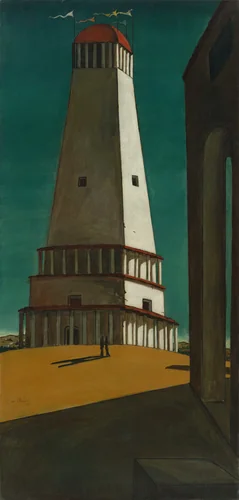
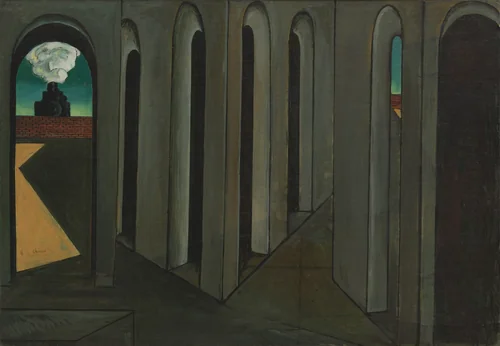
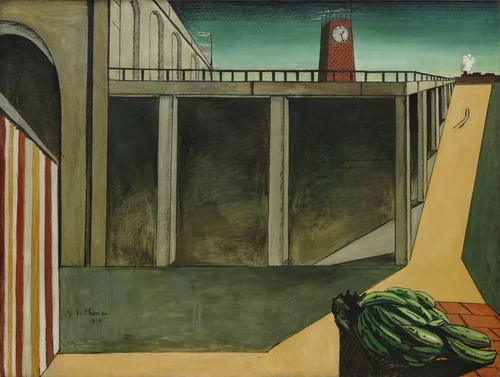
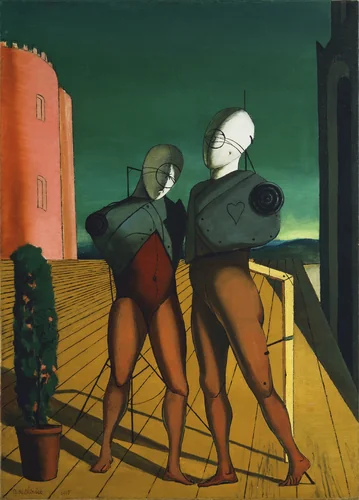
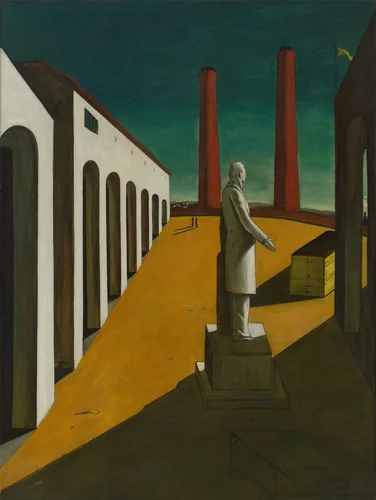
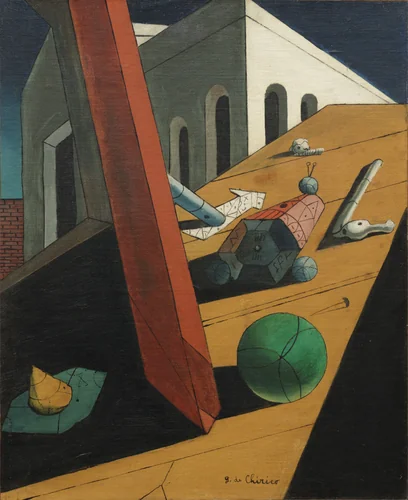
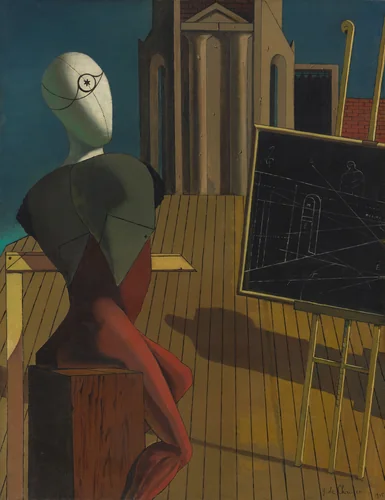
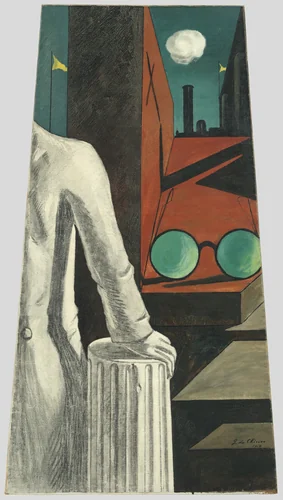
De Chirico’s signature Metaphysical works are instantly recognizable: vast, sun-drenched Italian plazas bordered by Roman arcades, where shadows stretch illogically, often cast by an unseen source. These stage-like settings frequently feature disquieting props: silent, enigmatic mannequins, industrial trains exiting abruptly, or towers placed with an unsettling disjunction. Works like The Enigma of a Day, The Nostalgia of the Infinite, and Gare Montparnasse (The Melancholy of Departure) epitomize this exploration of interior life and deep memory. His compositions reflect a strong affinity for the philosophical writings of Arthur Schopenhauer and Friedrich Nietzsche, transforming abstract psychological unease into concrete, yet ambiguous, visual symbols. Perhaps the most curious element is the manner in which the classical precision of his architecture clashes with the profound uncertainty of his light.
The radical visual vocabulary developed by De Chirico proved immensely influential, serving as a foundational catalyst for the later emergence of Surrealism. Figures like André Breton and René Magritte recognized the potent psychological power inherent in the juxtaposition of familiar objects within alien spaces. Although his later career saw stylistic shifts and extensive, often debated, reworkings of his earlier motifs, his seminal Metaphysical period remains the core of his historical legacy. Today, the enduring fascination with his unsettling imagination ensures that Giorgio de Chirico paintings are sought by major institutions globally, and his early masterpieces, such as The Anxious Journey, are often available as high-quality prints for study and appreciation, marking him as a pivotal master of the twentieth century.
Source: Wikipedia · CC BY-SA 4.0