Gilles Rousselet
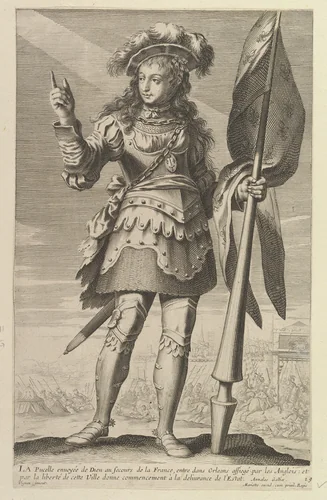
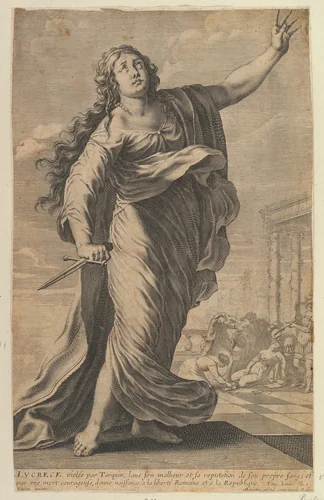
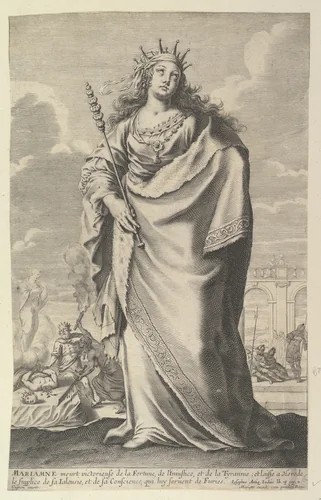
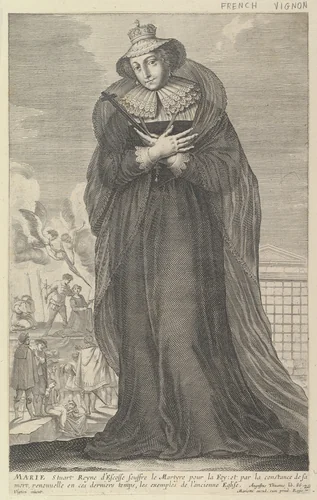
Gilles Rousselet (1610–1686), also known by his Latinate name Aegidius Rousselet, was one of the foremost French burin engravers and print dealers operating in Paris during the height of the 17th-century Baroque era. A skilled draftsman and technician, Rousselet’s reputation for excellence was officially sanctioned by his induction into the Académie, marking him as a pivotal figure in standardizing and disseminating fine art imagery across Europe.
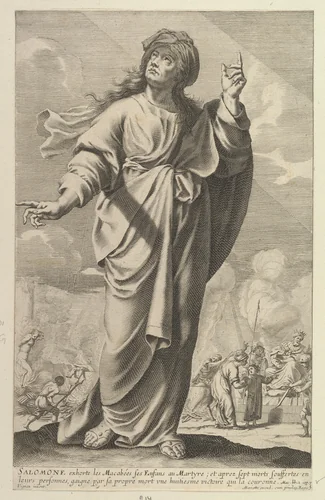
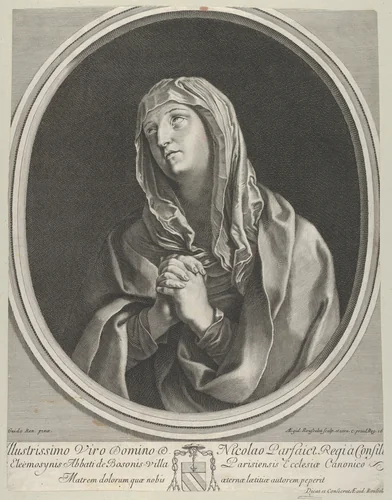
Active predominantly between 1614 and 1630, Rousselet mastered the difficult art of burin engraving, which demands absolute precision and control. This technique enabled him to translate the elaborate compositions, dramatic lighting, and deep shadows characteristic of great Baroque paintings into durable, detailed, monochrome high-quality prints. His work was crucial in an age before photography, circulating artistic ideas and setting technical benchmarks for reproductive imagery. His ability to render varying textures and emotive faces is evident in major religious studies such as St. Francis and the contemplative portrait St. Scholastica.
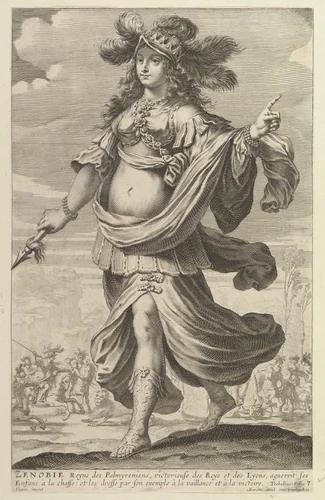
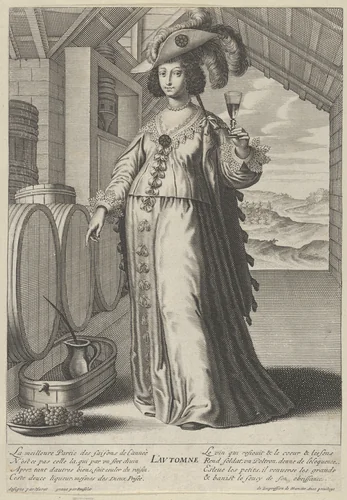
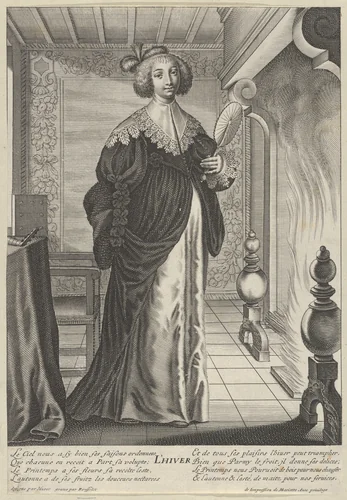
Rousselet's output provides a unique window into the varied intellectual and commercial appetites of the period. While he excelled at serious historical and religious subjects, exemplified by the narrative complexity of Mozes wordt gevonden door de dochter van de farao (Moses Found by the Pharaoh's Daughter), he was equally adept at producing elegant allegories popular for domestic collection. One might observe a subtle, almost palpable sense of relief in his compositions when he transitioned from the demanding solemnity of sainthood to the lighter pleasures captured in allegorical pieces like Music or the sensory charm of Taste.
As both an artist and a dealer, Rousselet played a critical role in the print trade, ensuring that his own museum-quality work, and that of his contemporaries, reached collectors far and wide. His surviving works are now safeguarded in major institutions worldwide, including the Rijksmuseum and the Metropolitan Museum of Art. Fortunately for modern study and appreciation, many of these influential Gilles Rousselet prints are now part of the public domain, making them readily available as downloadable artwork for scholars and enthusiasts globally.
Source: Wikipedia · CC BY-SA 4.0