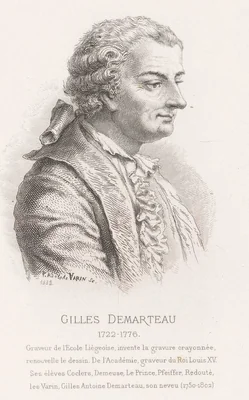
Gilles Demarteau
Gilles Demarteau the Elder (1722-1737) was a foundational figure in 18th-century Parisian graphic arts, recognized primarily as an innovative etcher, accomplished engraver, and influential publisher. Active entirely within the French capital throughout his documented career, Demarteau’s significance centers on a crucial technical innovation that redefined reproductive printmaking.
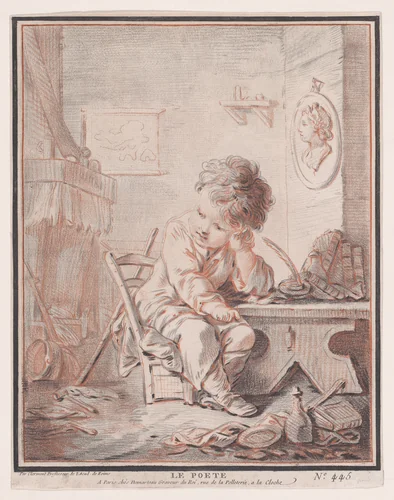
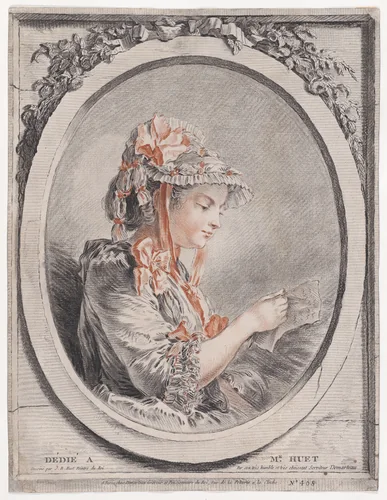
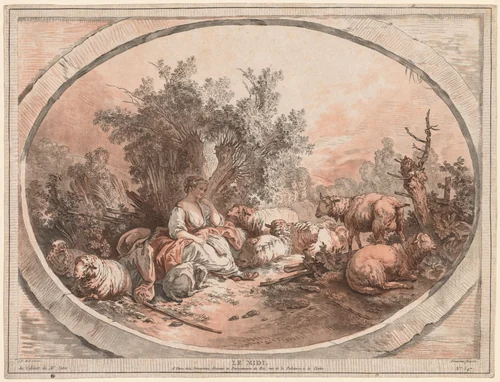
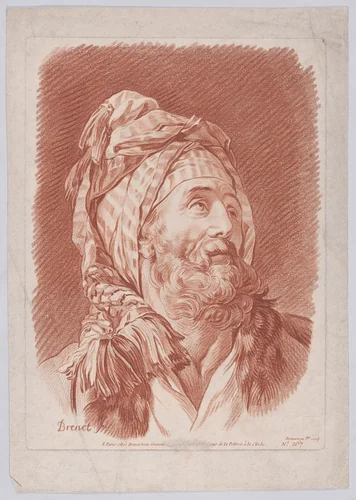
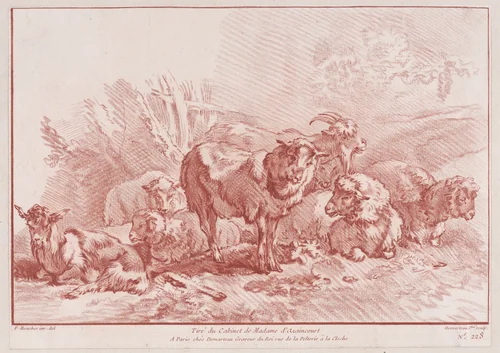
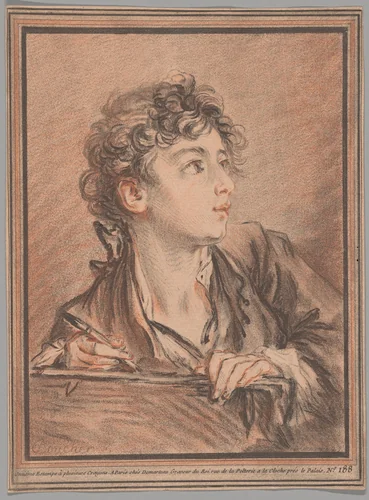
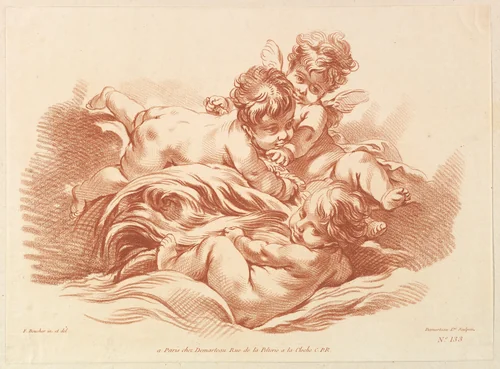
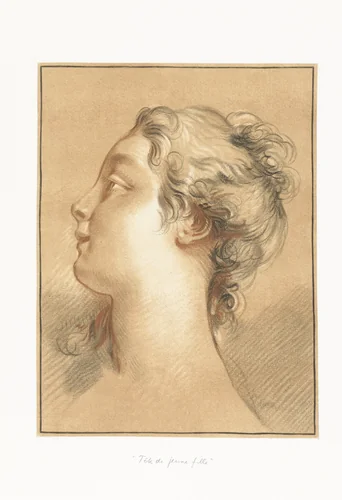
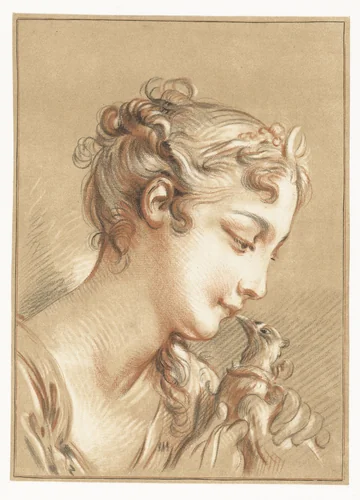
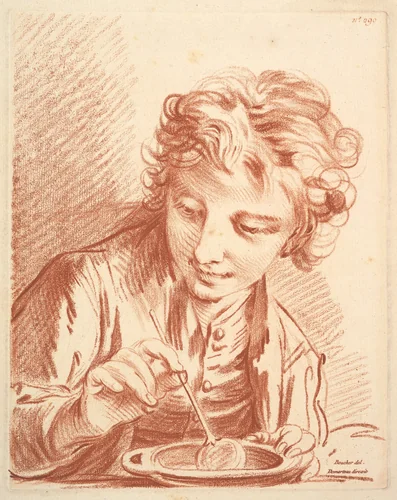
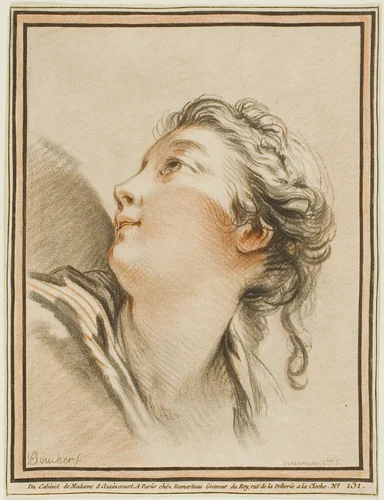
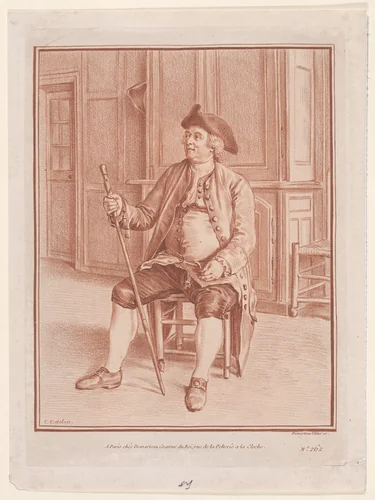
Demarteau is widely credited, alongside a small circle of contemporaries, with the invention and subsequent rapid development of the crayon manner engraving technique. This unique method sought to faithfully mimic the spontaneous textures and soft tonal gradations characteristic of original chalk, crayon, and pastel drawings. By skillfully employing specialized tools to replicate stippling and textured lines, Demarteau achieved a graphic fidelity previously unattainable in monochrome prints, effectively translating the subtle luminosity of chalk studies into reproducible, enduring media. He played an instrumental role in advancing this technique from a novel experiment into a commercially viable and widely celebrated art form.
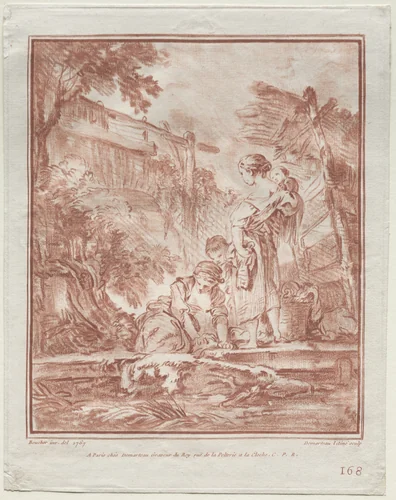
Demarteau’s commercial success was intrinsically linked to his partnership with the artistic vanguard of the French Rococo. He became one of the preeminent reproductive engravers and publishers responsible for disseminating the output of François Boucher, arguably the era's most important decorative painter. By translating Boucher’s expressive sketches, dessins, and occasional Gilles Demarteau paintings into mass-producible forms, Demarteau effectively defined the visual language of mid-century high style for a broader European audience. It is fascinating to consider that while Boucher supplied the genius, it was often Demarteau who supplied the widespread public access, transforming ephemeral chalk studies into enduring visual currency.
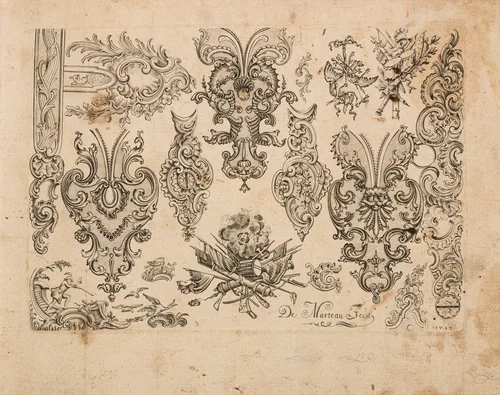
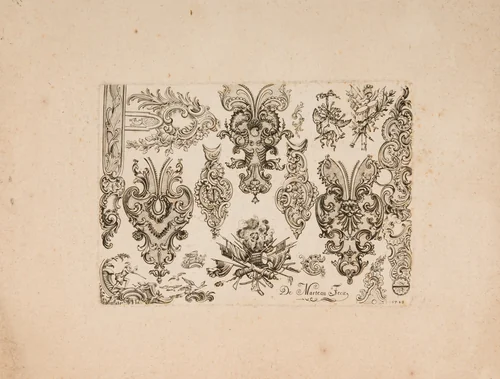
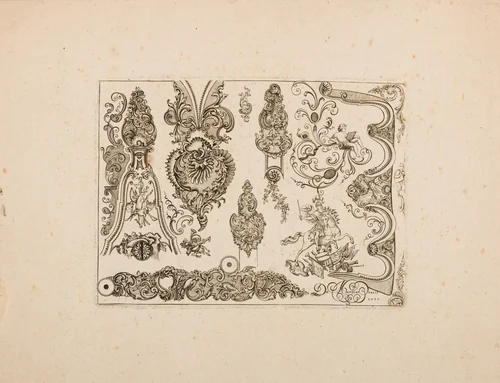
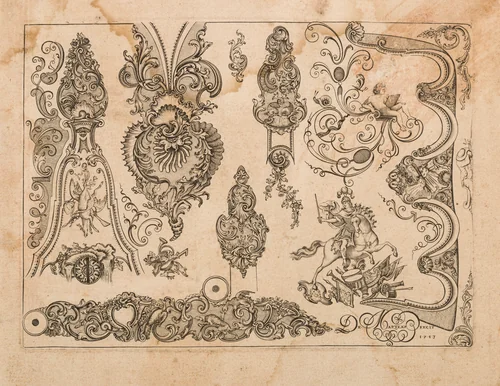
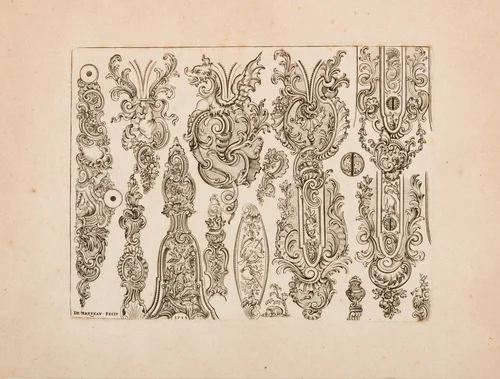
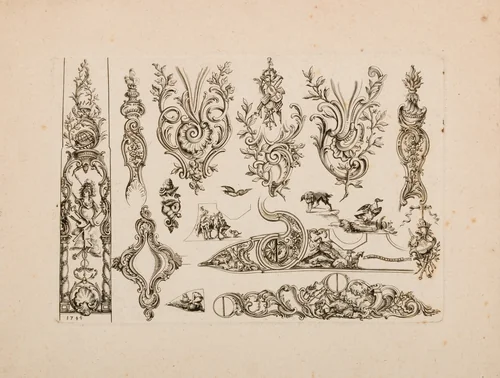
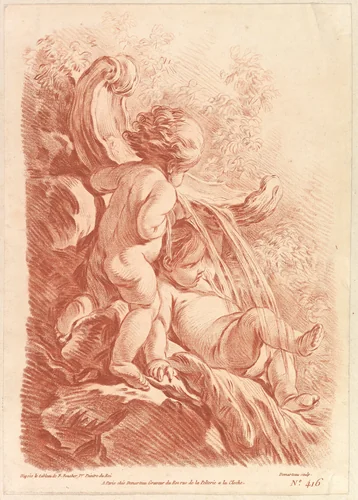
His diverse output included figure studies, such as Les Enfants physiciens, and detailed ornamental work, including the highly specific series Nouveaux Ornemens D'Arquebuseries (New Designs for Gunsmithing), demonstrating the breadth required of a successful 18th-century master. Today, the enduring quality of his craftsmanship is attested to by his inclusion in major international repositories, including the Rijksmuseum and the Metropolitan Museum of Art. For scholars and collectors seeking access to this important body of work, high-quality prints derived from the original plates are often found within the public domain, ensuring Demarteau's technical and artistic legacy remains accessible for continued study and appreciation.
Source: Wikipedia · CC BY-SA 4.0