Gijsbertus Craeyvanger
Gijsbertus Craeyvanger (active 1820-1843) occupies a specific, if modest, place within the prolific output of the 19th-century Dutch art world. Originating from the newly defined Kingdom of the Netherlands, Craeyvanger was primarily a highly skilled practitioner of the graphic arts, evidenced by the known body of work consisting largely of meticulously rendered drawings and preparatory prints. His significance is secured by the inclusion of his material, notably his self-portraits and animal studies, in the permanent collection of the Rijksmuseum in Amsterdam. This key institutional acknowledgment confirms his standing as a capable draughtsman whose contributions helped document the technical achievements and stylistic tastes of his era.
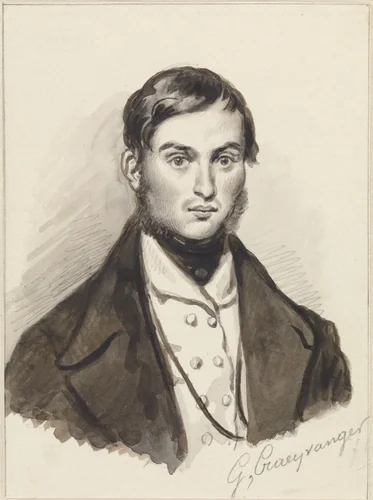
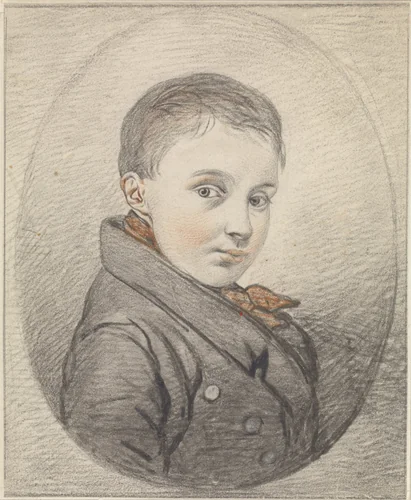
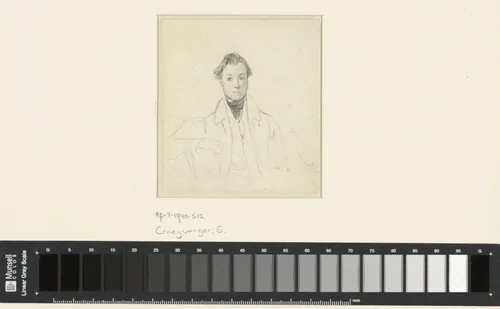
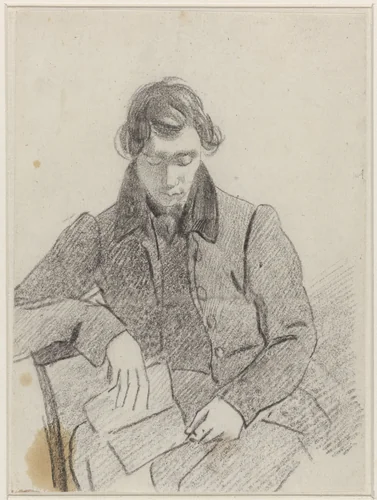
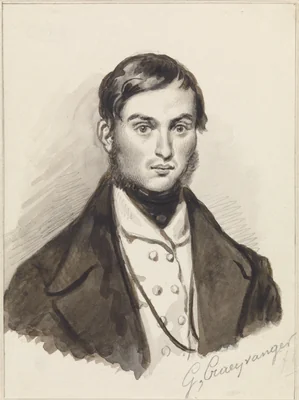
Craeyvanger’s documented output reveals a careful hand focused on conventional but demanding subjects: portraiture and genre animal studies. His approach to self-representation is demonstrated through multiple iterations of the Zelfportret van Gijsbertus Craeyvanger, suggesting a professional concern not only with mastering the human form but also with cultivating a recognizable personal image within a competitive artistic environment. He also engaged with commissioned portraits, such as the compelling image of Portret van Carel Jacobus Behr, illustrating his ability to capture individual likeness.
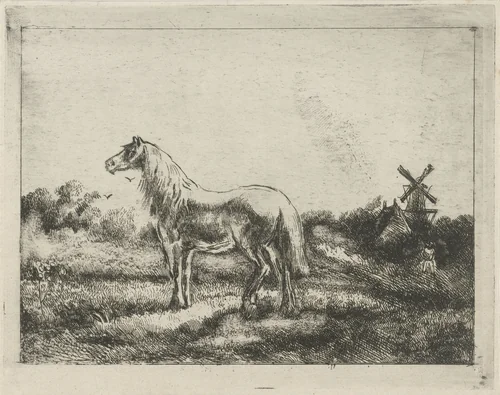
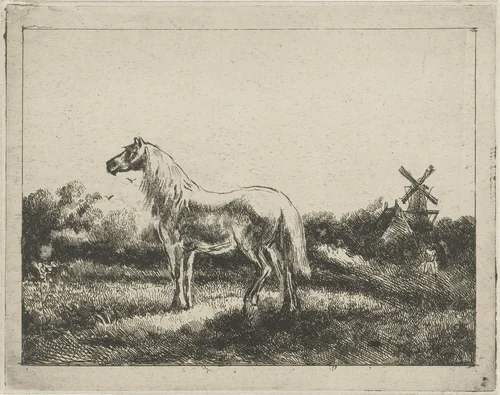
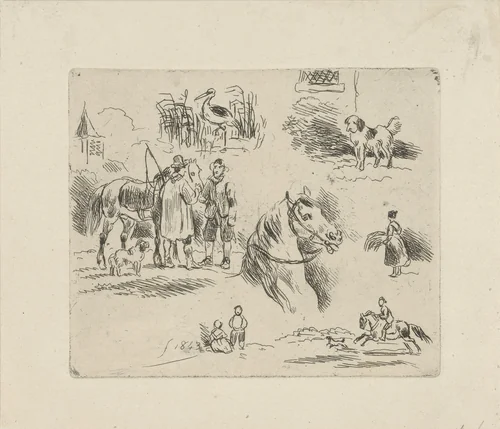
Perhaps most engaging are his studies of domestic fauna; the repeated motif of the horse in works like Paard in weide shows an appreciation for rural life and the anatomical challenges of rendering large animals in motion or repose. It is intriguing that an artist of this period, often working under the shadow of the burgeoning Romantic landscape schools, dedicated substantial effort to defining his own image so comprehensively; perhaps he was acutely aware that the ultimate subject of art history is often the artist himself.
While Craeyvanger’s active period was compressed into just over two decades, his surviving artworks offer valuable insight into the graphic practices of the Dutch transition era. His precise technique ensured the longevity of his legacy, even if his surviving oeuvre remains small, encompassing only a handful of known Gijsbertus Craeyvanger prints and drawings. Today, scholars and enthusiasts benefit greatly from the careful institutional conservation of his output. Because these works are held in major public collections, many have entered the public domain, ensuring that high-quality prints and downloadable artwork are available globally, preserving his contribution to 19th-century Dutch draughtsmanship for continued study and enjoyment.
Source: Wikipedia · CC BY-SA 4.0