Giacomo Zoboli
Giacomo Zoboli (Jacopo Zoboli) was an Italian painter whose active career spanned the late Baroque era, documented primarily between 1681 and 1700. Though his origins are traced to the established tradition of Italian painting, Zoboli’s reputation today is cemented less by large-scale altarpieces and more by the surviving corpus of his highly accomplished preparatory drawings. His technical mastery and commitment to academic draftsmanship are evidenced by the inclusion of his works in prestigious institutional holdings, notably the Metropolitan Museum of Art.
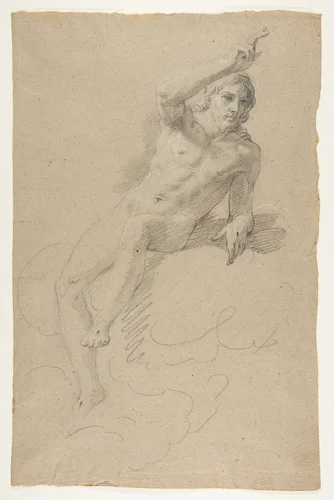
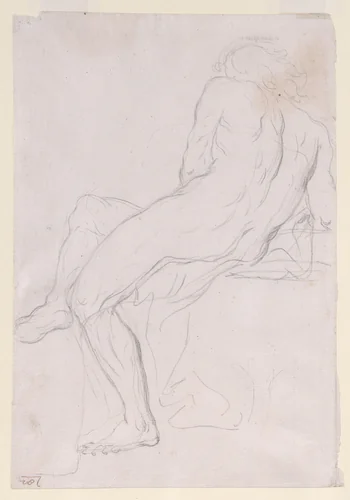
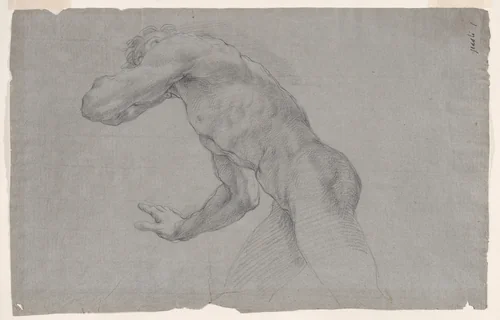
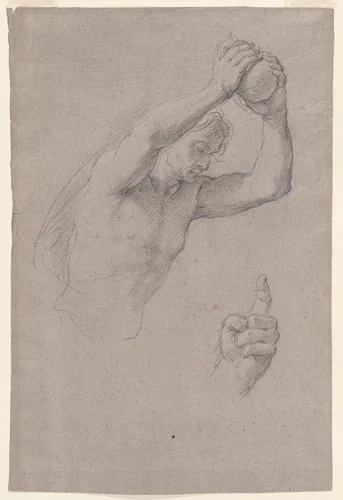
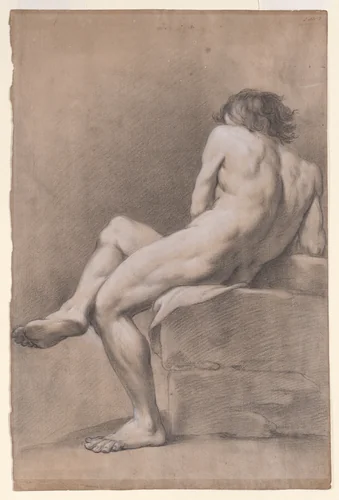
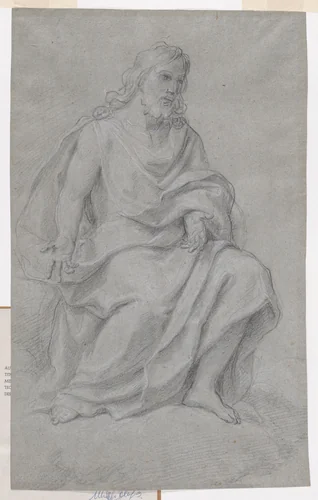
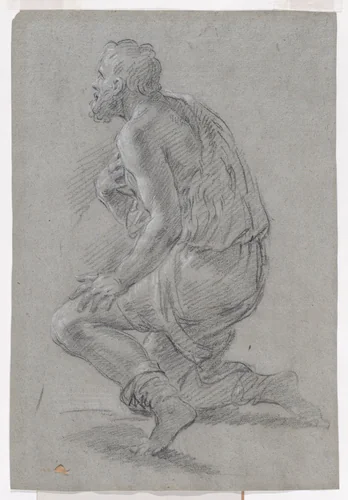
Zoboli’s technique reflects the rigorous training required of seventeenth-century masters. His surviving sheets, typically rendered in chalk and various inks, showcase a meticulous study of the human form, an essential building block for complex Baroque compositions. Works such as the Academy Sketch of a Seated Male Figure and the dramatic Study of a Nude Man in an Action Pose Seen from the Side confirm his proficiency in translating anatomical knowledge into dynamic visual energy.
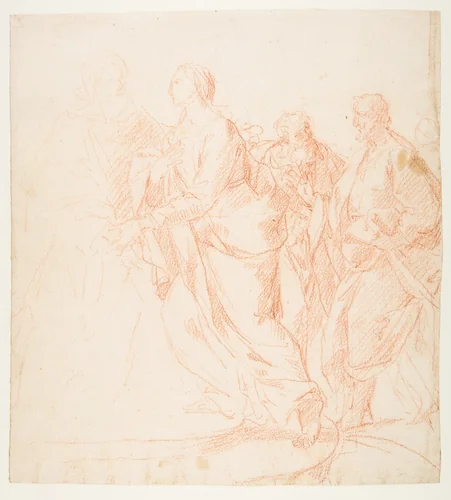
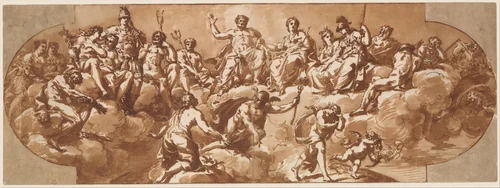
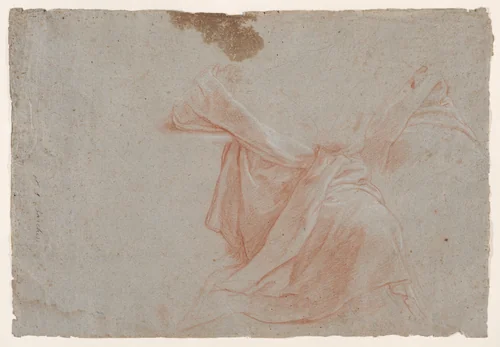
His subject matter was varied, demonstrating ease with both devotional scenes, like the contemplative Christ Blessing, and elaborate mythological commissions, exemplified by the spirited grouping depicted in the Council of the Gods. A fascinating, subtle trait of Zoboli’s practice is the frequent use of double-sided sheets. The artist’s frugality, or perhaps the sheer value placed on fine paper at the time, is illuminated by examples such as the sheet containing the detailed The Visitation of Our Lady (Luke 1:39-56) on one side and a swiftly rendered figure of Zachariah on the verso.
These preparatory works, spanning figure studies, biblical narratives, and classical allegories, provide invaluable insight into the methods of a highly competent professional operating during the High Baroque period. While the complete catalogue of Giacomo Zoboli paintings remains a topic for specialized study, his existing drawings ensure that his precise line and compositional skill endure. Many of these important sheets are now in the public domain, making downloadable artwork widely available and allowing scholars and enthusiasts to generate high-quality prints for personal study.
Source: Wikipedia · CC BY-SA 4.0