Giacomo Guardi
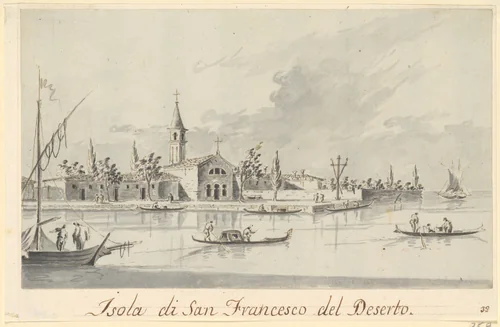
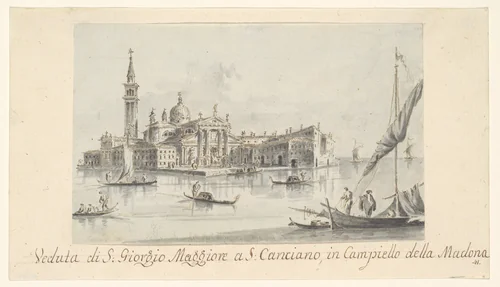
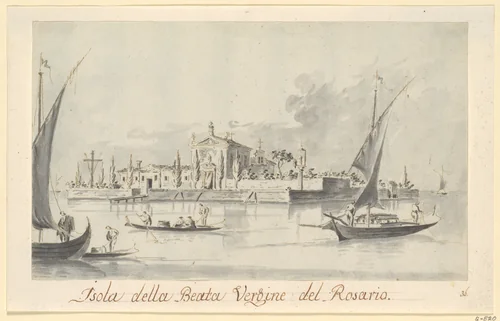
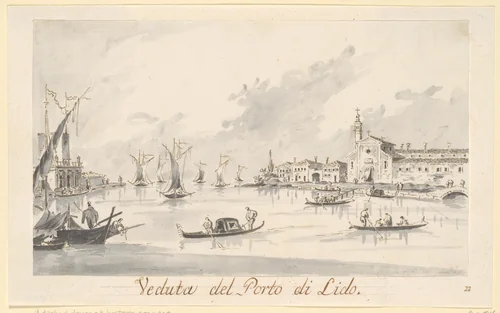
Giacomo Guardi (active 1764-1793) holds a unique and often undervalued position in the tradition of Venetian veduta painting, a genre popularized internationally by his celebrated father, Francesco Guardi. A draftsman and painter working in the twilight years of the Venetian Republic, Giacomo Guardi inherited the family studio and continued its focus on topographical views, though he pursued a markedly different scale and market strategy than his forebear. His works are preserved in significant institutional collections, including the Metropolitan Museum of Art and the National Gallery of Art, attesting to his continued, if specialized, art-historical significance.
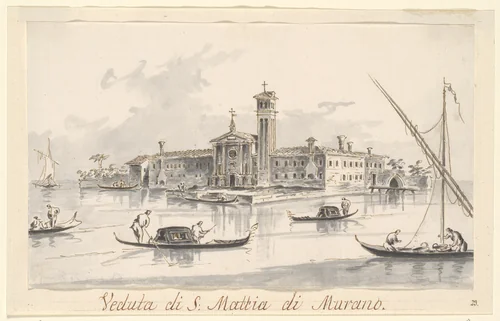
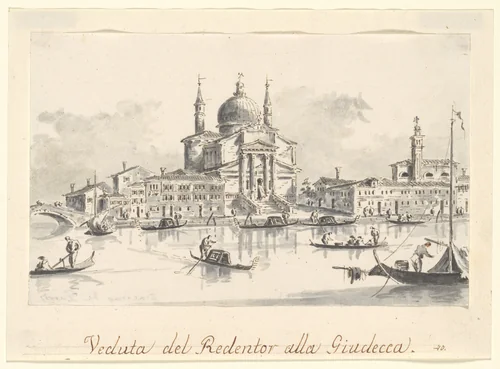
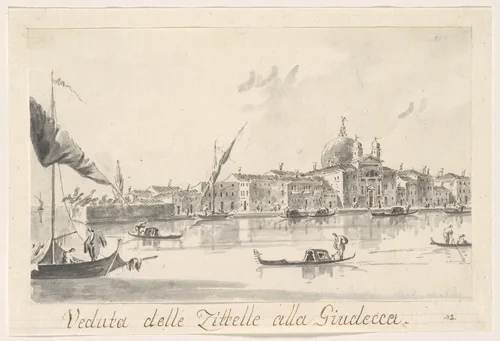
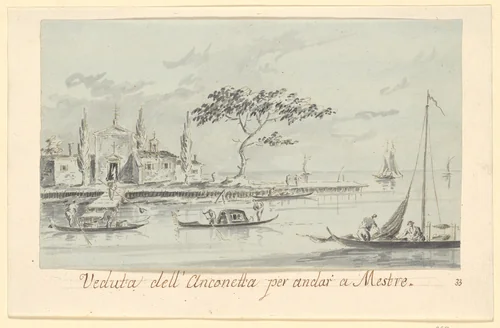
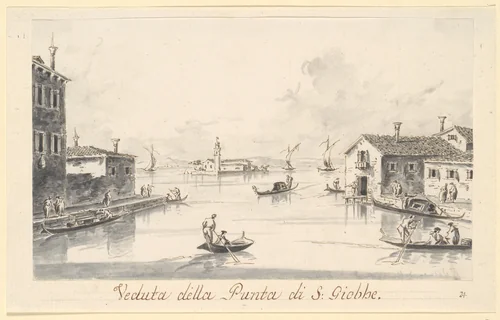
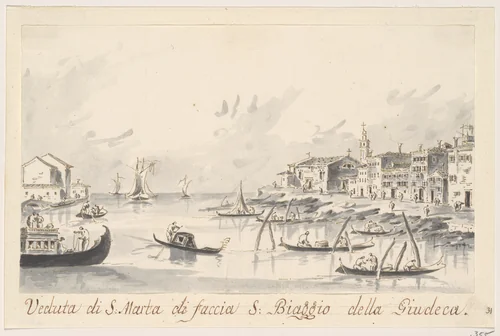
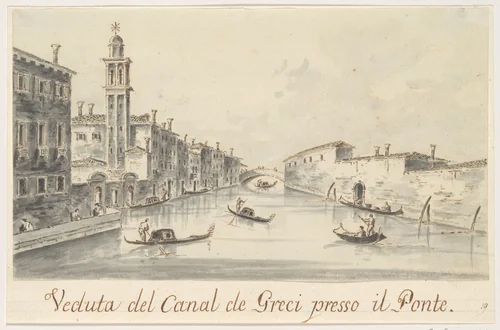
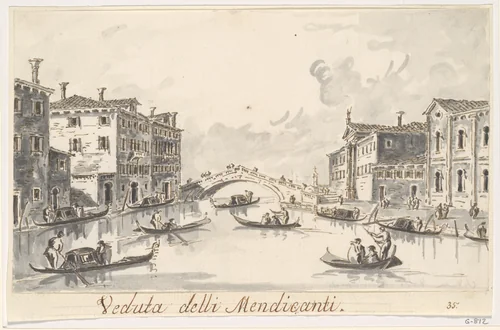
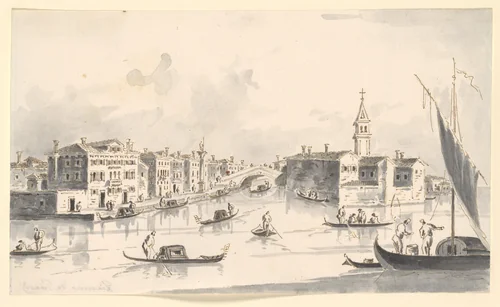
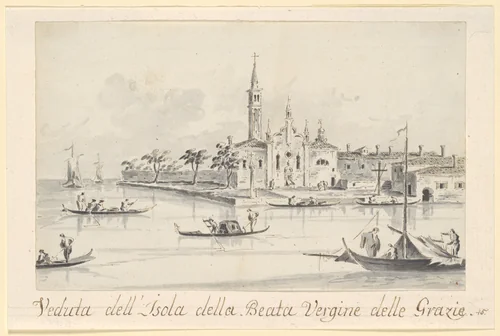
Guardi’s documented output, spanning nearly three decades, largely consists of highly specific, small-format views and drawings. Unlike the grand, atmospheric canvases that defined the earlier era of Vedutism, Guardi’s pieces, such as the detailed study Piazza San Marco Decorated for the Festa della Sensa, function more as precise topographical documents. Works like Quinta Valle at Castello highlight his preference for direct observation rendered with an economy of line, an approach that some historians suggest positioned his work closer to high-quality prints and sophisticated souvenirs than to major gallery paintings. His shift toward producing these smaller, highly marketable pieces subtly mirrored the political transition of Venice itself, moving from an economic and political powerhouse to a picturesque, historical destination appreciated largely for its visual appeal.
Despite the focus on miniature compositions, Guardi was certainly capable of larger, more ambitious execution. His repertoire included accomplished architectural fantasies, such as the impressive Capriccio of Classical Ruins with a Fortress, which showcases a notable degree of artistic skill and imaginative composition.
Evaluating the entire oeuvre of Giacomo Guardi paintings and drawings remains a complicated undertaking for scholars due to the consistent frequency with which works are misattributed, often being confused with those of his father or contemporaries. Nevertheless, his legacy is accessible today; many of his drawings are now in the public domain, providing researchers and enthusiasts with access to high-quality prints that document the specific visual culture and ceremonial life of late 18th-century Venice.
Source: Wikipedia · CC BY-SA 4.0