Giacomo Franco
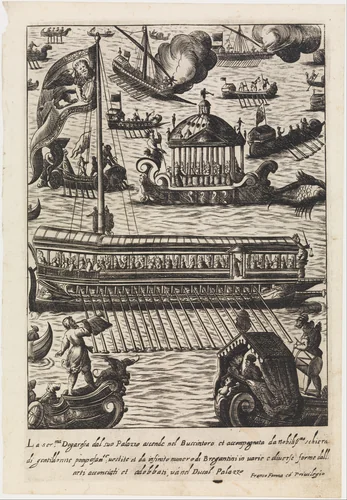
Giacomo Franco was a prominent Italian engraver and publisher whose extensive production anchored him within the sophisticated cultural economy of Venice during the late sixteenth century and early seventeenth century. Active from approximately 1548 until 1610, Franco’s work was essential for the dissemination of visual information, bridging the gap between high political portraiture and contemporary social documentation. His surviving corpus, encompassing seven prints, two detailed books, and a preparatory drawing, underscores a career characterized by technical rigor and entrepreneurial acumen.
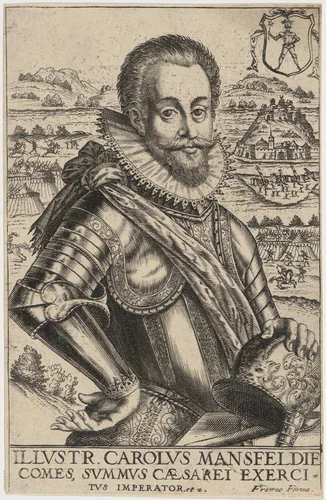
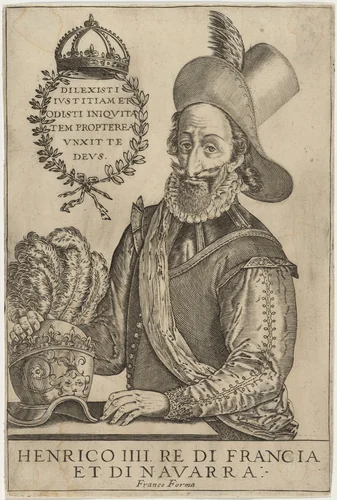
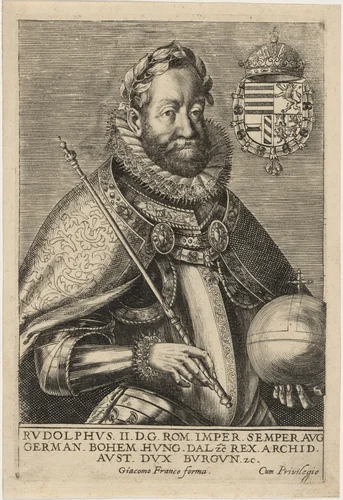
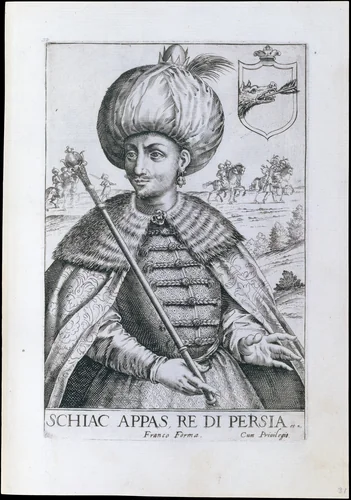
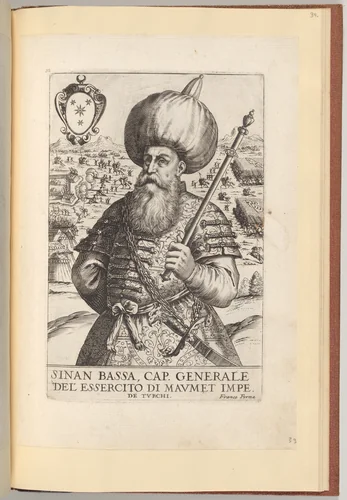
Franco was particularly skilled in executing formal portraits of the era’s foremost political figures, creating authoritative imagery that circulated throughout European courts. Key among his subjects were prints such as Charles von Mansfeld, the powerful German military commander, and the French monarch Henry IV. Perhaps the most imposing of his imperial records is Rudolph II, Roman Emperor, a work that captures the Habsburg ruler with the necessary gravitas demanded by the sitter’s station. This focus on imperial power provided Franco with a secure foundation for his publishing house, establishing him as a reliable source for the historical record.
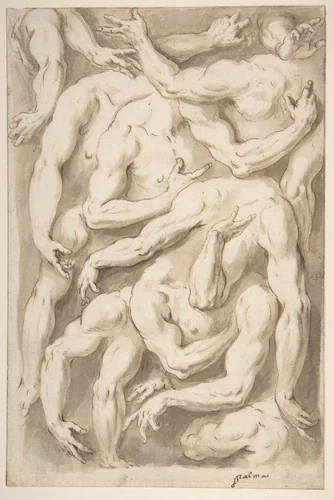
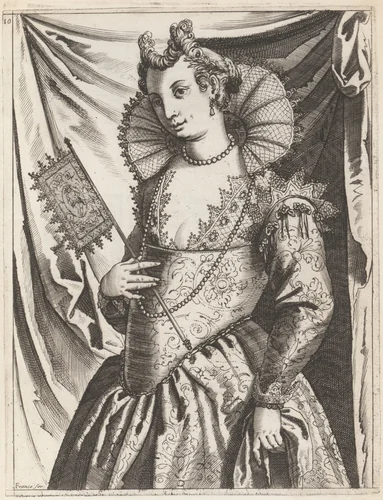
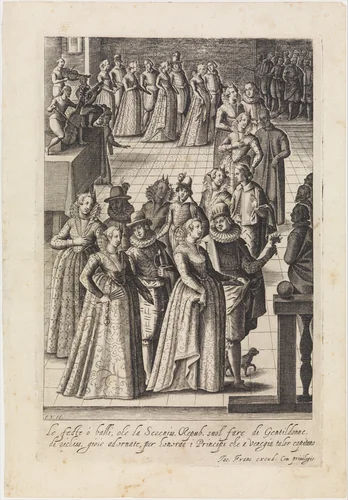
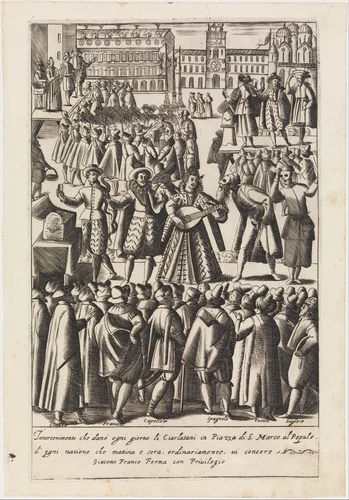
However, Franco’s interests extended beyond the political theater. The detailed graphite drawing Studies of Arms, Shoulders and Hands reveals the meticulous technical investigation required for his finished engravings. Yet, it is his comprehensive book, Habiti delle Donne Venetiane (Dress of Venetian Women), that offers the most nuanced view into the social fabric of his home city. This project served as a visual inventory, documenting with exhaustive detail the shifting fashions and sumptuary codes of Venetian women, organized by social standing. It is telling that an artist who spent decades meticulously carving the faces of emperors found equal artistic purpose in the precise rendering of a noblewoman’s sleeve, revealing a professional curiosity that was both commercial and anthropological.
Franco’s output is highly prized today for its clarity and fidelity, forming essential collections in institutions worldwide, including the Metropolitan Museum of Art and the National Gallery of Art. The accessibility of his works, many of which now reside in the public domain, ensures that the technical precision of his museum-quality art remains available for study. Through his skillful engraving and high-quality prints, Franco documented a critical period in European history and the cultural life of the Republic of Venice.
Source: Wikipedia · CC BY-SA 4.0