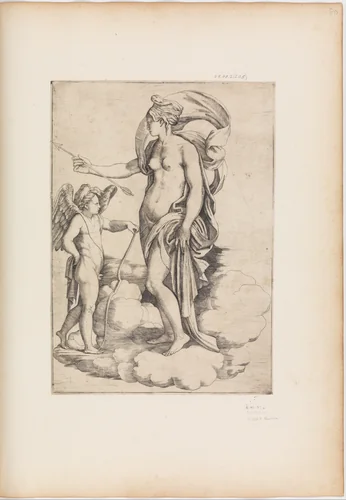
Giacomo Francia
Giacomo Francia, born Giacomo Raibolini, established himself as a distinguished Italian master of the high Renaissance, active primarily between 1490 and 1520. Operating out of Bologna, his artistic output spanned both painting and, crucially, the specialized art of copperplate engraving. Francia’s commitment to mastering the print medium allowed his interpretations of contemporary humanist and devotional themes to circulate widely during a crucial era for the dissemination of Italian style.
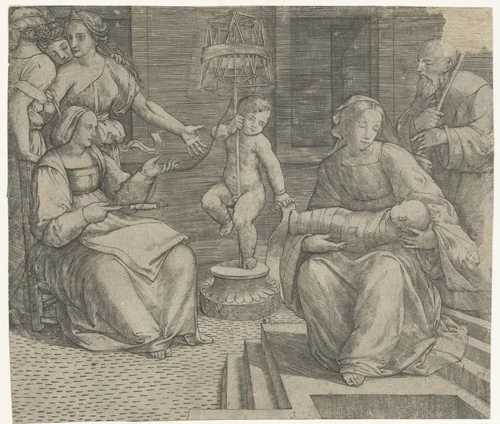
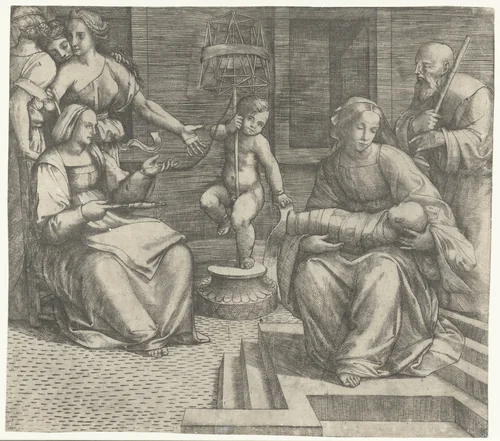
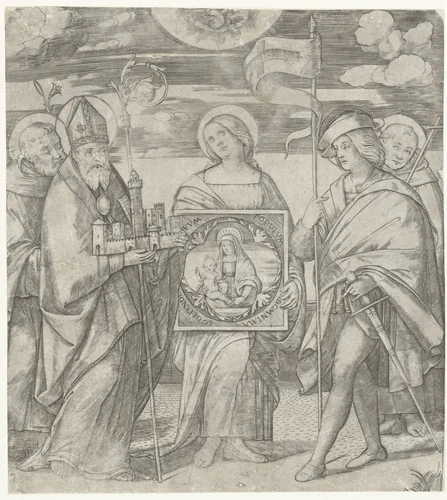
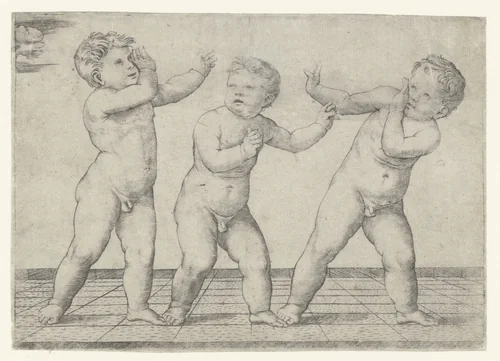
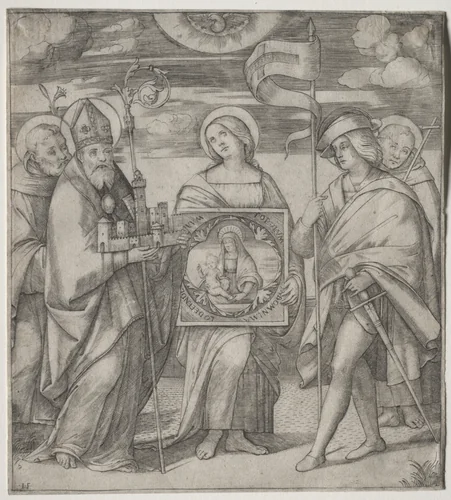
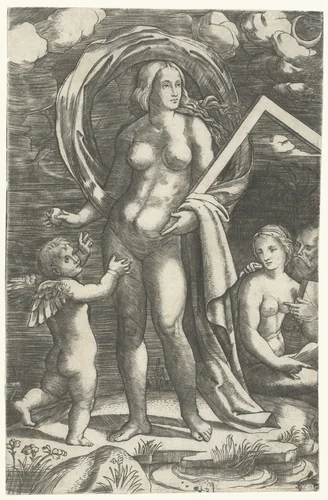
While painting defined many of his contemporaries, Francia’s enduring legacy rests largely on his detailed, museum-quality engravings. These works, often executed with a clarity characteristic of the late Quattrocento masters, provided crucial examples of technique and composition for later generations. His prints demonstrate a remarkable thematic range, moving between deeply devotional subjects, such as the several versions of the Heilige Familie met Elisabeth en Johannes de Doper, and vigorous explorations of classical narrative.
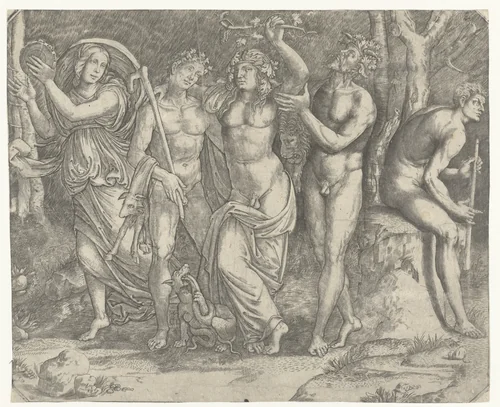
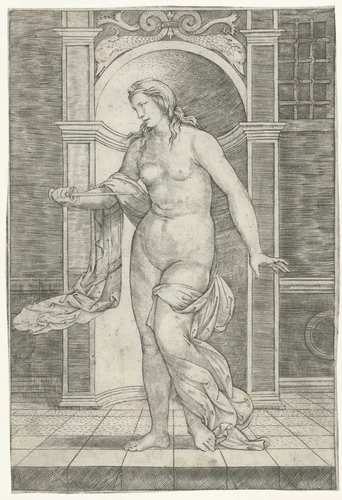
Francia demonstrated a subtle but profound command of narrative tension. His depiction of the tragic Roman heroine in Lucretia steekt zichzelf dood in borst contrasts sharply with the exuberant vitality seen in his mythological scenes, such as the dynamic Bacchus en bacchanten en meanade met tamboerijn. Unlike many figures of the Renaissance, whose lives were often marked by public drama or scandal, Francia’s biography remains refreshingly focused on artistic execution rather than personal tumult. This singular commitment to precision over celebrity explains why his high-quality prints remain such valued objects of study.
Today, Francia's limited but historically important catalogue is held in prestigious international institutions, including the Rijksmuseum and the Metropolitan Museum of Art. The detail and foundational influence of Giacomo Francia prints solidify his place among the era’s foremost engravers. Owing to their age and historical context, much of Francia's graphic work is now in the public domain, offering users downloadable artwork and royalty-free access to a foundational contribution of early printmaking.
Source: Wikipedia · CC BY-SA 4.0