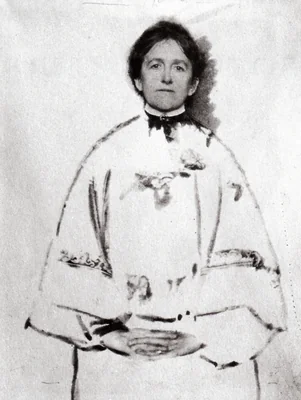
Gertrude Käsebier
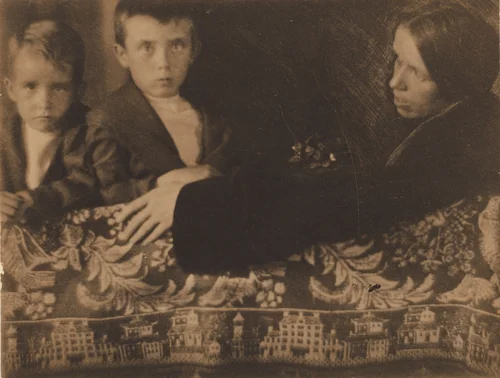
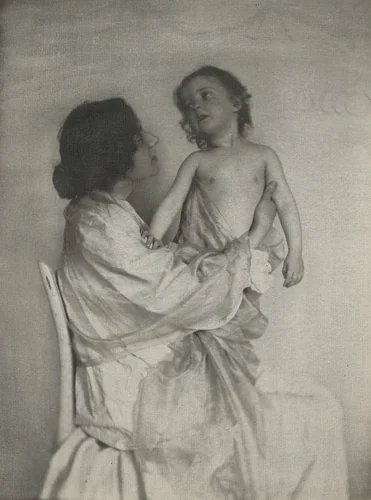
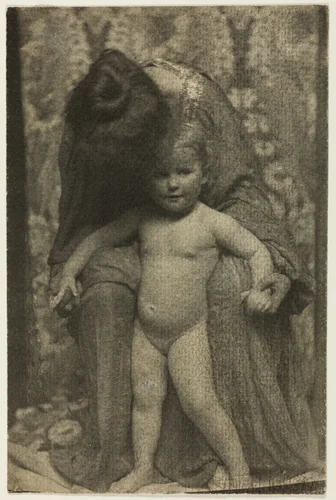
Gertrude Käsebier (1852-1934) stands as a foundational figure in early twentieth-century American photography, recognized equally for her influential artistic output and her pioneering professional advocacy. Active extensively between 1884 and 1899, she was instrumental in defining the medium as it transitioned from a technical craft toward self-conscious fine art. Her early works established enduring themes, particularly nuanced studies of maternity and domestic life, exemplified by works such as Family Group (Mrs. White, Maynard & Lewis).
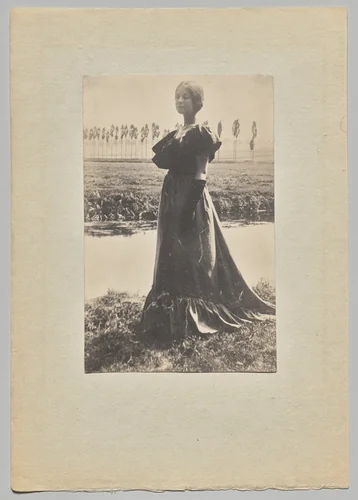
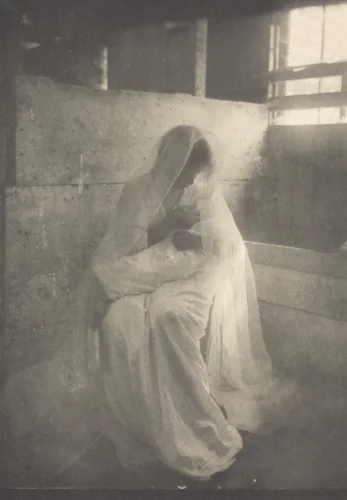
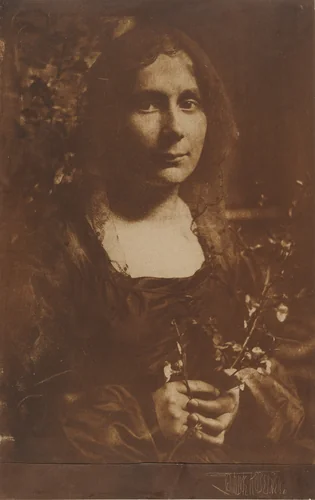
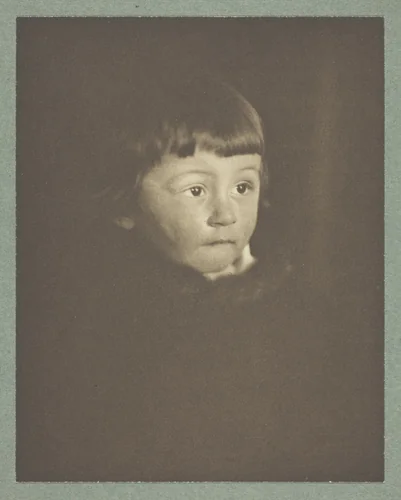
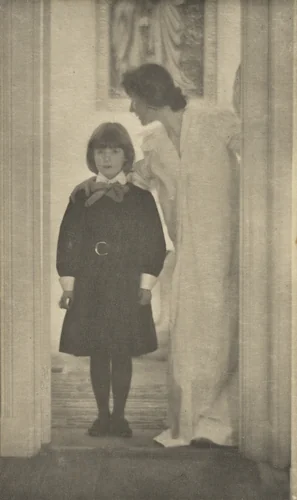
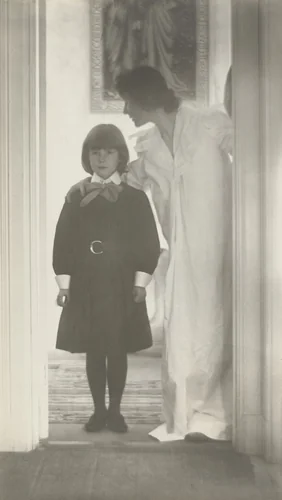
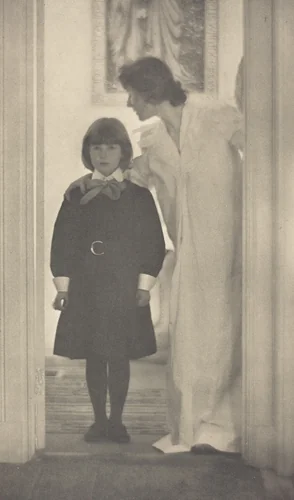
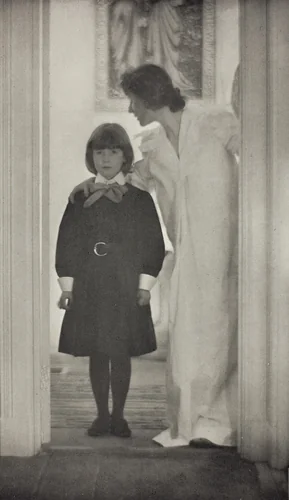
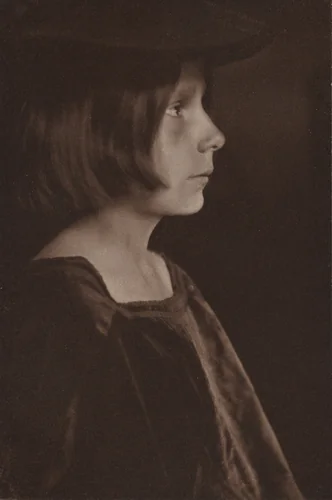
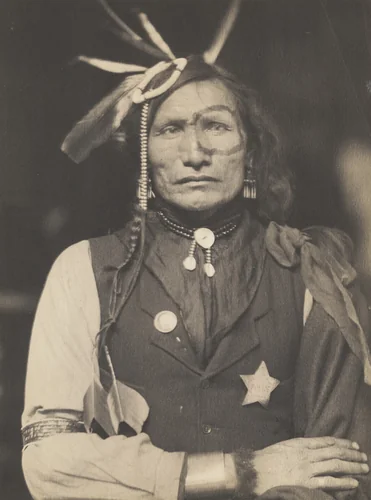
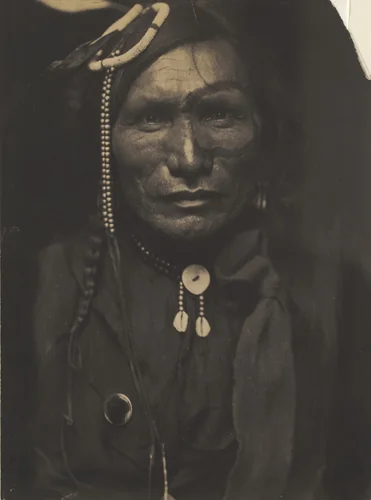
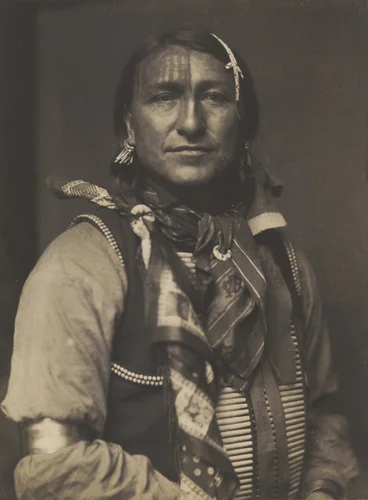
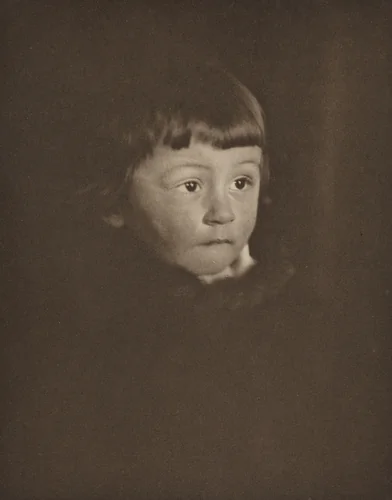
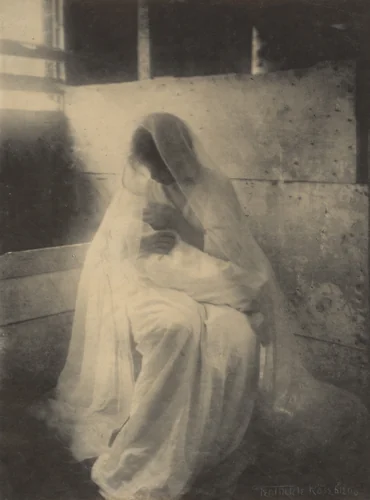
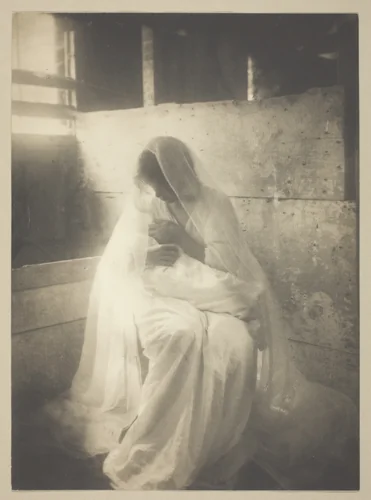
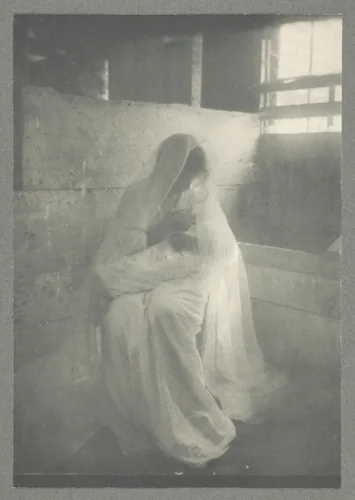
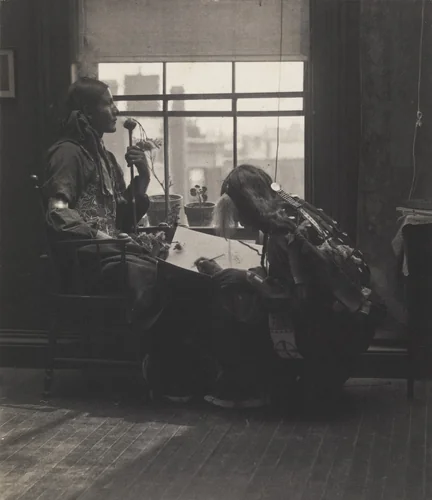
Käsebier’s aesthetic aligns with the principles of Pictorialism, emphasizing atmospheric compositions and a soft focus that privileged emotional interpretation over literal documentation. This approach allowed her to imbue common, intimate subjects with classical weight. Pieces like The Manger and Adoration illustrate her interest in elevating domestic scenes, often using dramatic light and symbolic staging to invoke traditional artistic references. Although known for these studies, her command extended to psychological portraiture, evident in her powerful series depicting Native Americans, sometimes taken on location, such as the evocative study Cornelia or the landscape Italy. These images helped set a high standard for museum-quality photographs and psychological depth in portraiture of the period.
Beyond her photographic achievements, now held in major collections including the Art Institute of Chicago and the Museum of Modern Art, Käsebier dedicated substantial effort to promoting photography as a viable professional career path for women. This dedication was crucial during a time when creative professional opportunities for female artists were still scarce. It is mildly ironic that an artist whose career flourished by focusing on the intimate emotional world of the home was also one of the era’s most astute business operators, running a highly successful studio while contributing to the photographic avant-garde. Today, many of these influential works reside in the public domain, meaning that researchers and collectors frequently seek out original Gertrude Käsebier prints or high-quality prints for study, reaffirming her status as a crucial American modernizer.
Source: Wikipedia · CC BY-SA 4.0