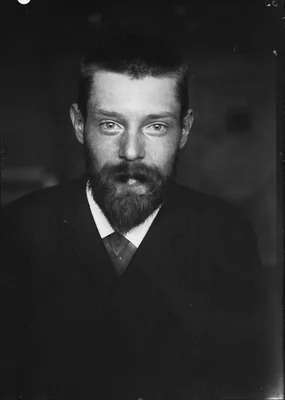
Gerrit Willem Dijsselhof
Gerrit Willem Dijsselhof, a Dutch painter and designer active between 1876 and 1892, stands as a notable exemplar of the international Arts and Crafts Movement as it took root in the Netherlands. His work prioritized meticulous craftsmanship, decorative unity, and the elevation of applied arts, a hallmark of the movement’s philosophical approach to modern design. Dijsselhof’s output, while encompassing painting and drawing, focused substantially on printmaking, utilizing line and composition to merge natural observation with geometric rigor.
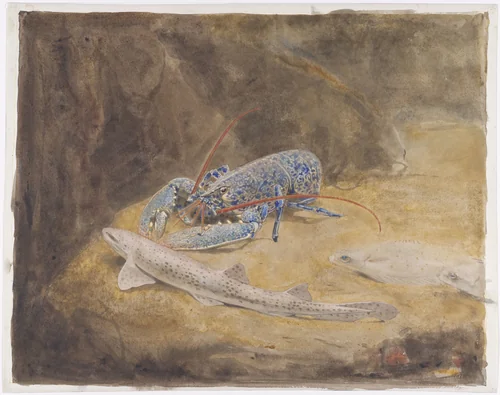
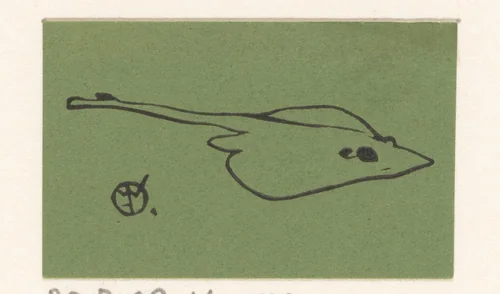
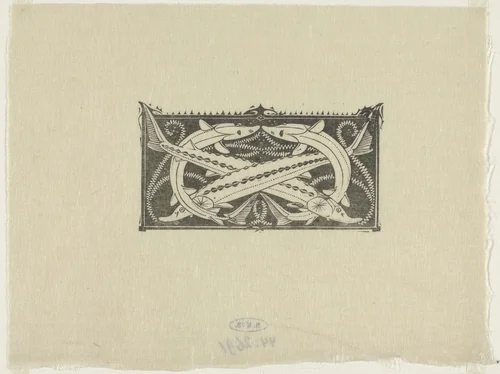
The collection of Dijsselhof’s works held by the Rijksmuseum includes a single painting, two drawings, and twelve prints, offering a focused study of his brief but intense period of activity. A significant portion of his known oeuvre demonstrates a keen, almost scientific interest in the natural world. Pieces like the strikingly precise Aquarium met drie Noordzee vissen: Zeekreeft, Hondshaai en Schol and Vissen in een aquarium elevate biological illustration to fine art, reflecting a broader late nineteenth-century fascination with the intersection of science and aesthetics. Indeed, it is Dijsselhof’s specialized rendering of marine life, often captured with an almost claustrophobic density, that provides a subtle point of departure from his peers; he applied the decorative principles of the Arts and Crafts Movement not to idealized human forms, but to the chilly precision of the deep-sea environment.
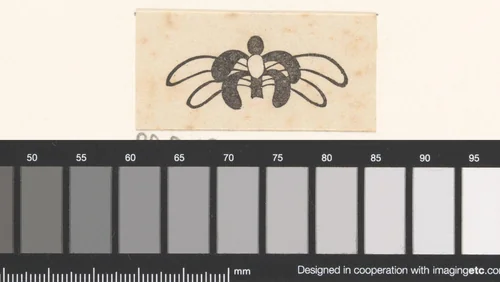
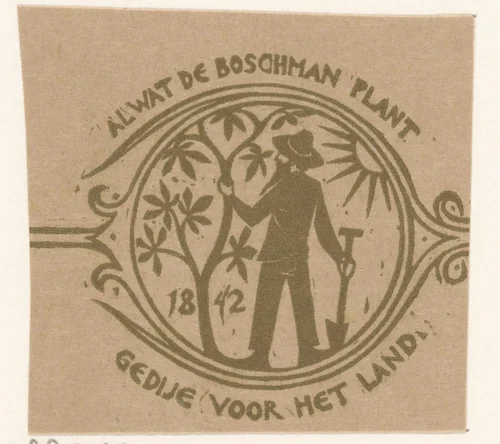
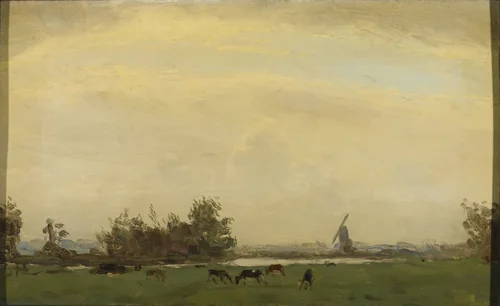
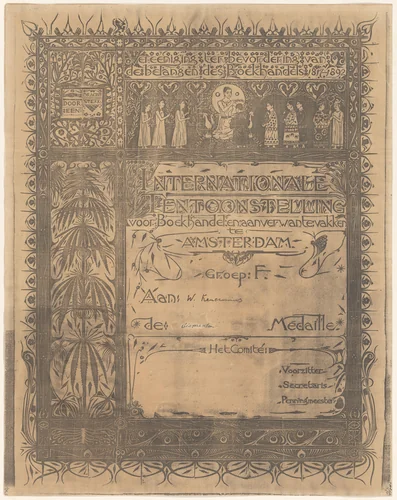
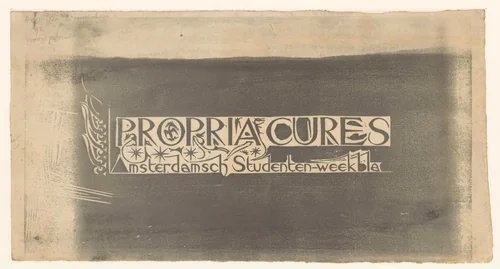
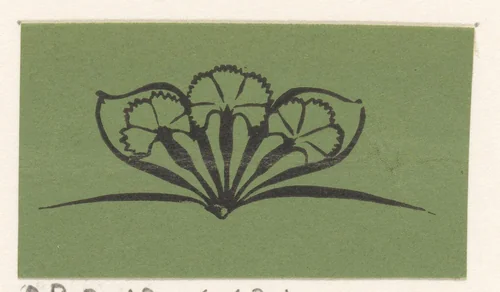
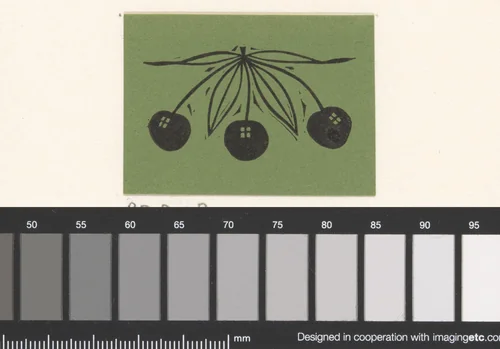
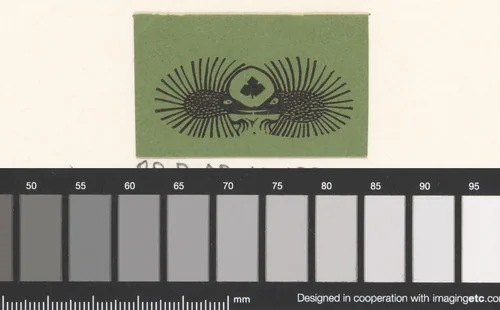
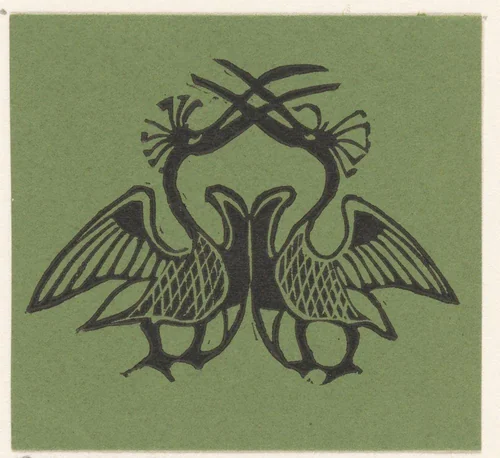
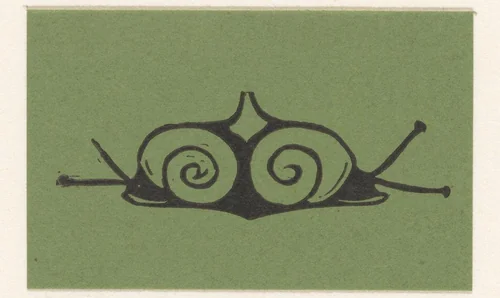
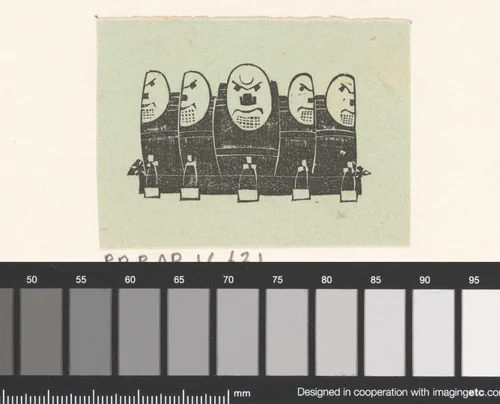
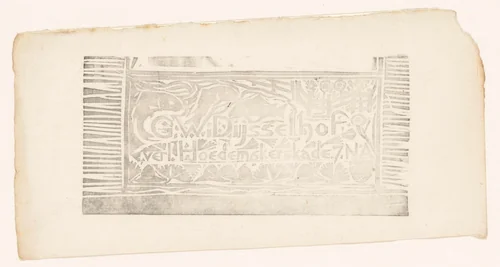
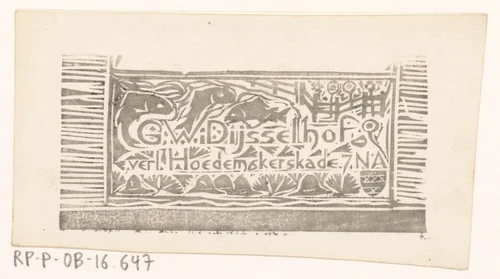
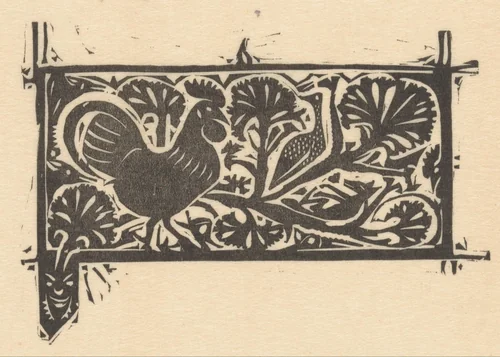
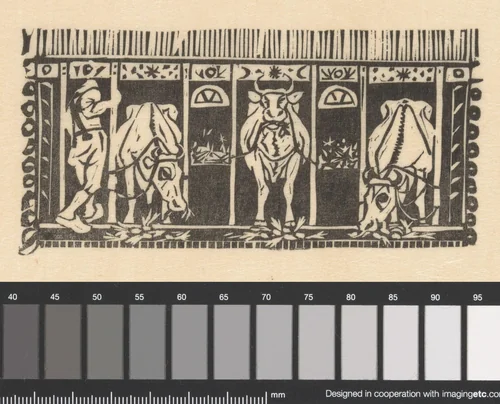
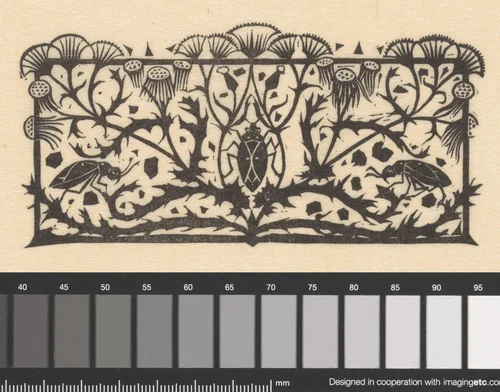
Beyond these aquatic studies, the artist produced characteristic graphic works, including decorative borders and vignettes such as Vignet met een bloem and Vignet met een man die een boom plant, which were crucial elements in the era’s book and magazine design. His stylistic versatility is further evidenced by the pastoral calm of his oil painting, Meadow Landscape on the Spaarne.
Today, the strong collection of Gerrit Willem Dijsselhof prints ensures his continued scholarly relevance. Given their historical standing, many of these influential graphic works are now in the public domain, providing researchers worldwide with access to downloadable artwork. This transition has ensured that his carefully crafted designs, particularly the detailed, museum-quality images derived from his original prints, are available as high-quality prints for study and appreciation, reinforcing his legacy as a central figure in Dutch applied arts.
Source: Wikipedia · CC BY-SA 4.0