Gerrit Lamberts
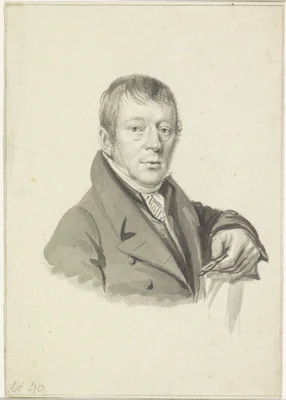
Gerrit Lamberts (1776–1850) occupies a unique place in Dutch cultural history, bridging the roles of dedicated topographical artist and institutional administrator. He is perhaps best known for his pivotal tenure as a curator at the Rijksmuseum during the critical period when the national collection was housed in the Trippenhuis. This administrative distinction, however, often overshadows his diligent and precise output as a visual chronicler of Amsterdam.
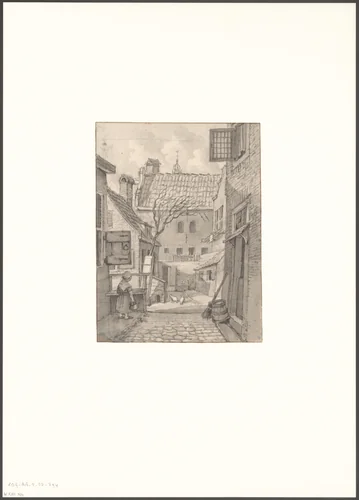
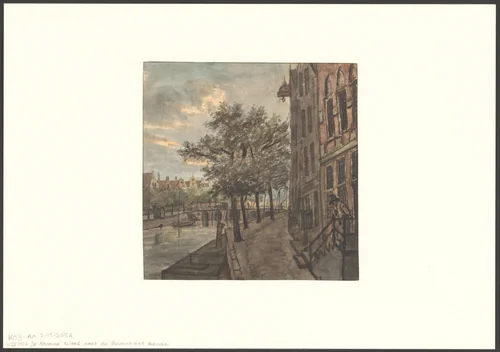
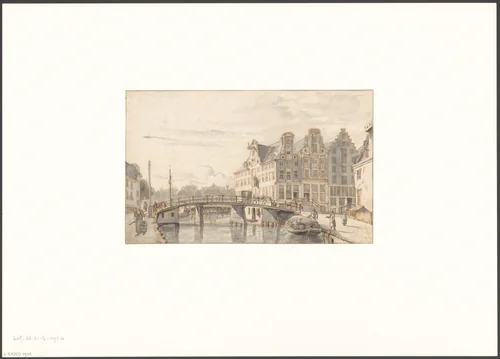
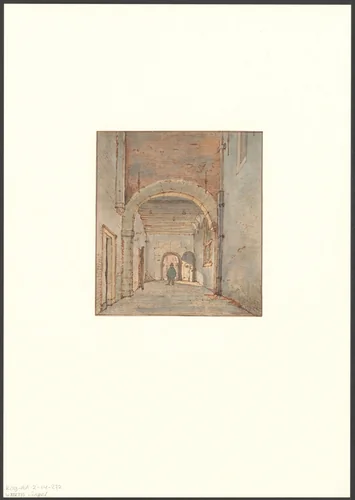
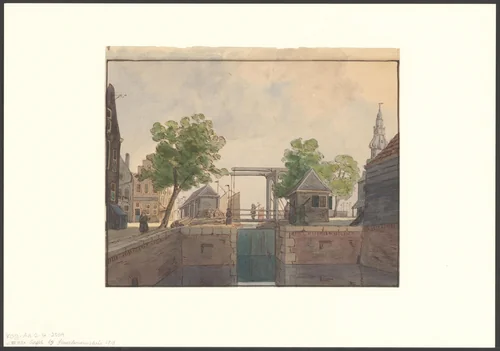
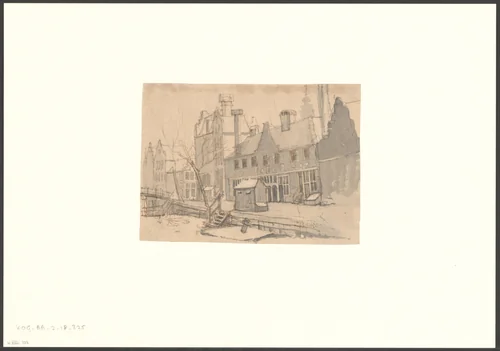
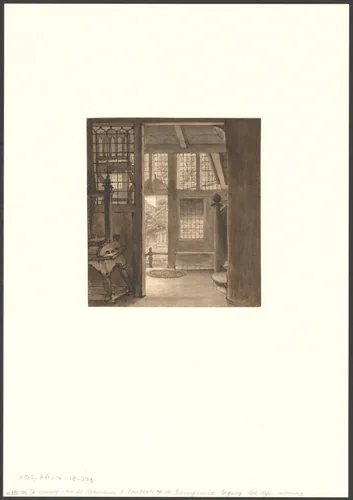
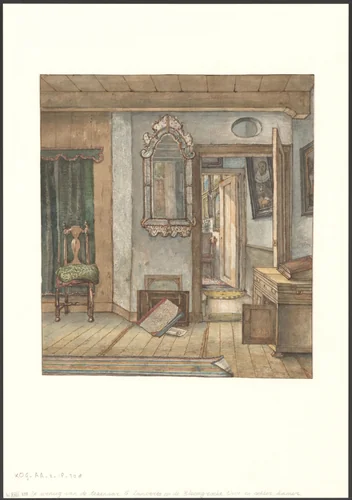
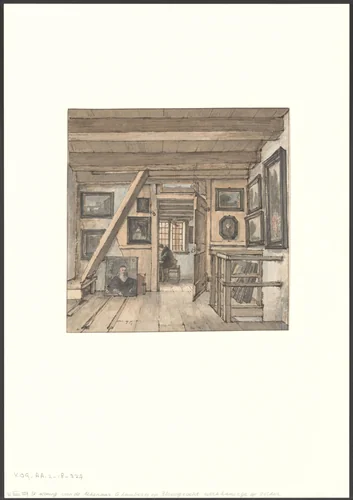
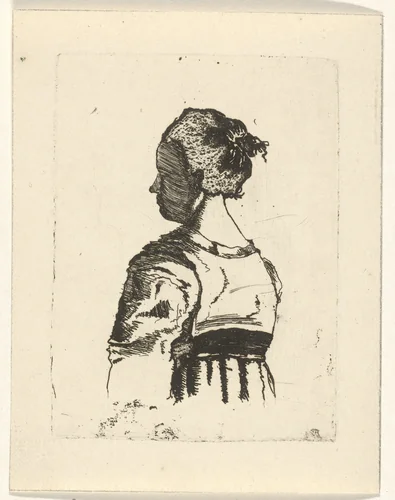
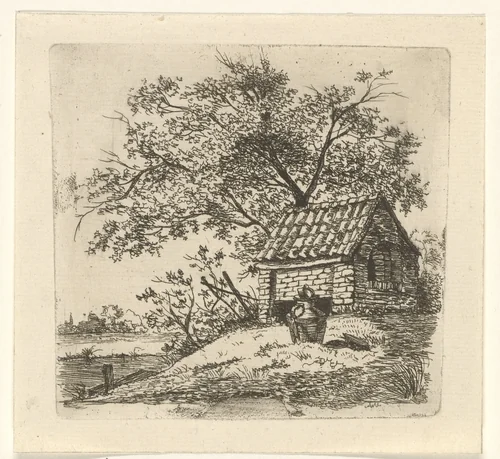
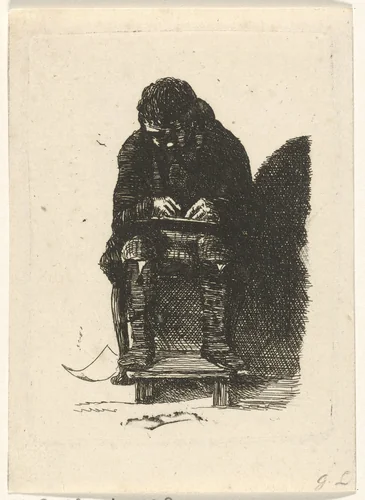
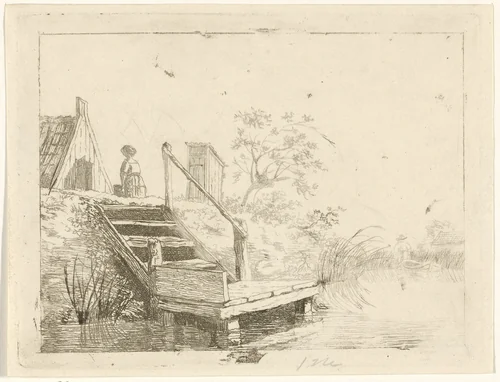
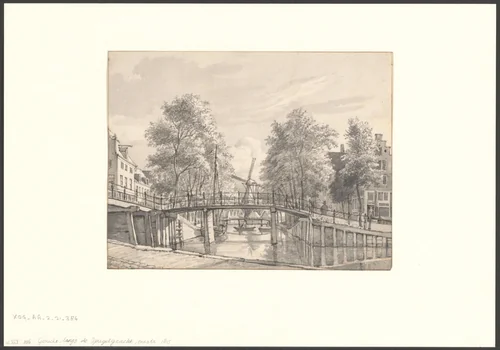
Lamberts’ active period as a visual artist spanned several decades, primarily between 1786 and 1818. During this time, he focused almost exclusively on capturing the shifting architecture, urban improvements, and specific canal views of the Dutch capital. His extant works are concentrated in highly detailed media, constituting a reliable corpus of 11 known drawings, complemented by 4 related prints. These are not grand historical scenes or romanticized vistas; they are meticulous, museum-quality documents of urban reality, preserved today in foundational collections like the Rijksmuseum.
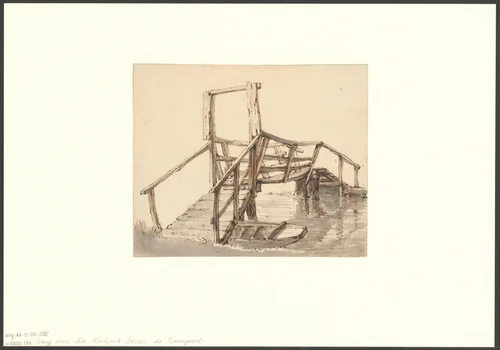
The essential utility of Lamberts’ work lies in its topographical accuracy. Views such as the precisely rendered Gezicht op de Kromme Waal and the valuable record provided by Gezicht op de poort van het West-Indisch Huis offer historical depth concerning structures and streetscapes, many since altered or lost. The dedication to accuracy applied to mapping specific segments of city infrastructure, evident in works like Gezicht op de brug over het Kerkpad, suggests that Lamberts approached drawing with the rigorous, systematic eye of a surveyor. It is perhaps unsurprising that an artist defined by such scrupulous attention to detail would later excel in the demanding organizational structure of museum curatorship.
Although Gerrit Lamberts paintings are rare, his drawings and prints offer an enduring and descriptive visual history. The high-quality detail found in his work ensures that these vital historical documents remain accessible for study and appreciation, frequently made available by institutions as downloadable artwork for scholars and the public. These records of early nineteenth-century Amsterdam, having entered the public domain, cement Lamberts’ legacy as both a caretaker of the nation’s artistic heritage and a keen observer of his rapidly evolving city.
Source: Wikipedia · CC BY-SA 4.0