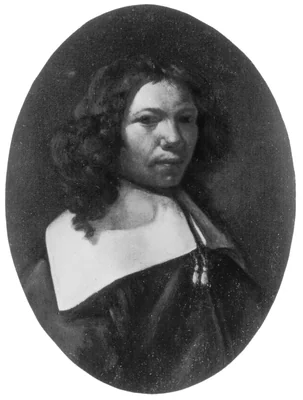
Gerrit Berckheyde
Gerrit Adriaenszoon Berckheyde (1648-1685) was a central figure among the Dutch Golden Age painters, celebrated almost exclusively for his meticulously detailed cityscapes. Active primarily in the booming urban centers of Haarlem, Amsterdam, and The Hague, Berckheyde’s extensive output provides an invaluable visual chronicle of 17th-century civic life and the architectural ambition of the nascent Dutch Republic.
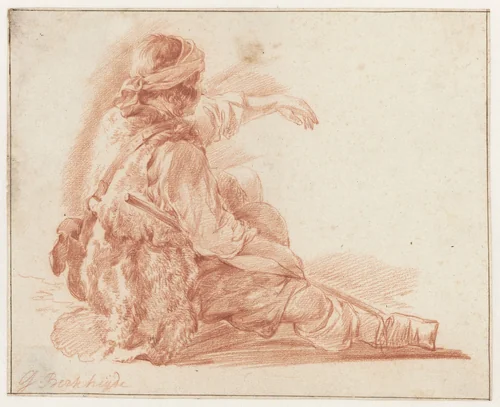
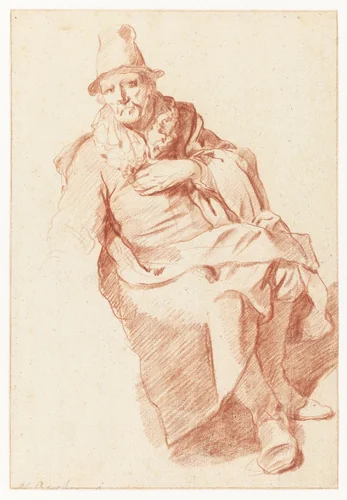
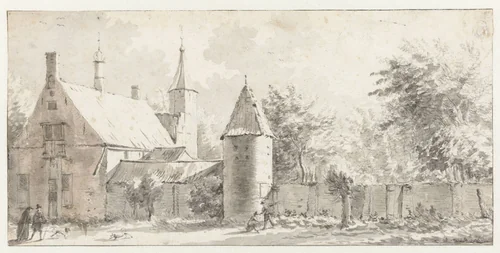
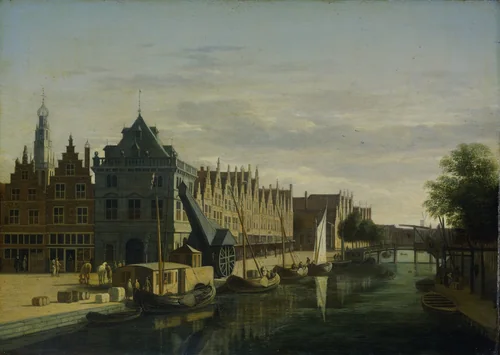
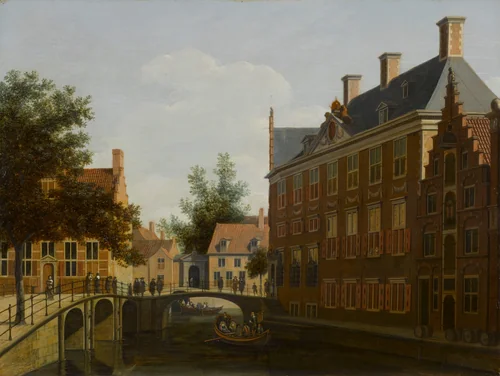
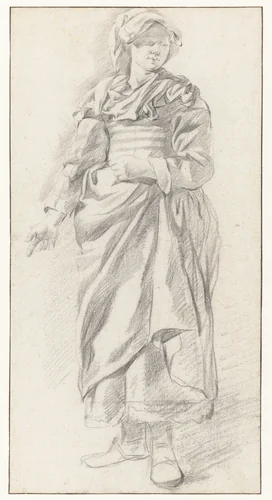
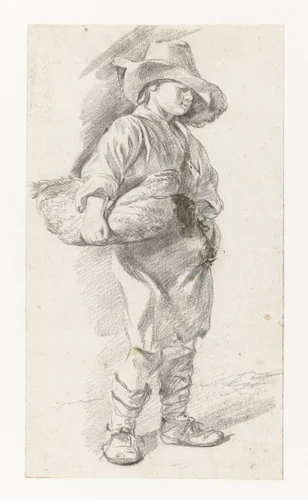
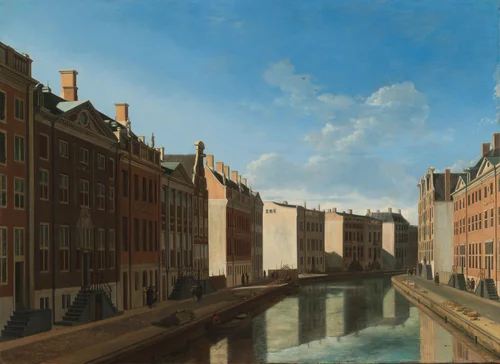
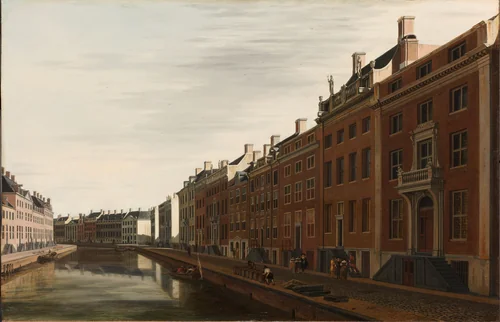
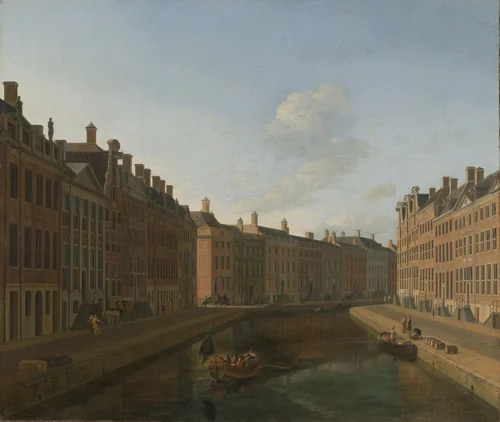
While his corpus includes a small number of figure studies and genre scenes, such as the focused portrait Sitting old Man, his international reputation rests squarely on his topographical views, or vedute. Berckheyde established a specialized niche, focusing with almost clinical precision on the monumental infrastructure of the cities. This approach suggests a keen awareness of the burgeoning art market, recognizing the commercial viability of high-quality, recognizable architectural portraits. Unlike artists who often prioritized atmosphere or narrative, Berckheyde utilized a clear, documentary clarity that captures the material reality of stone and mortar, employing mastery of perspective to confer a sense of monumentality on structures like the Stadsmuur (City Wall).
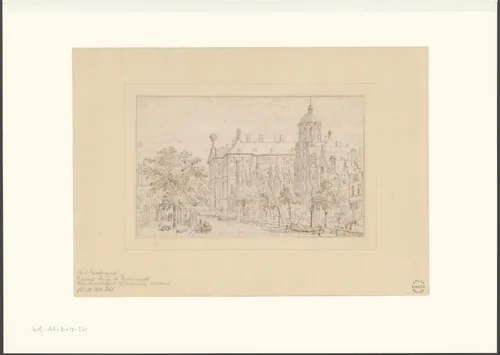
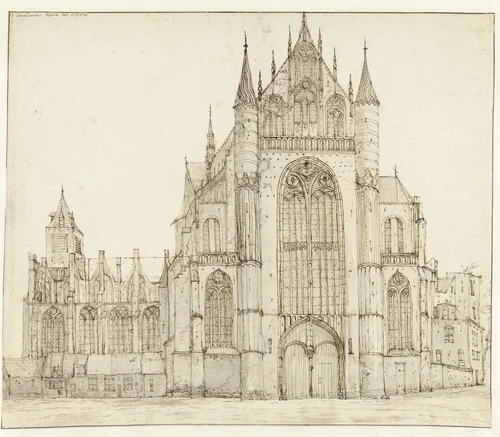
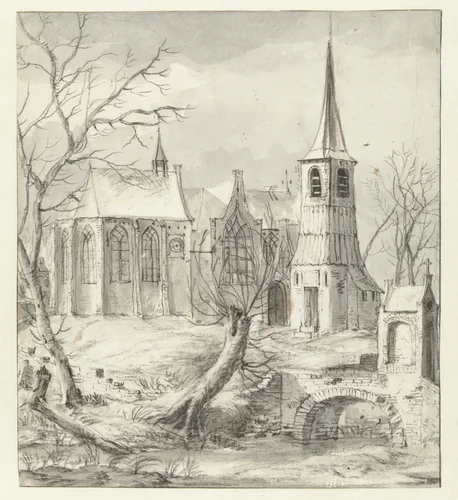
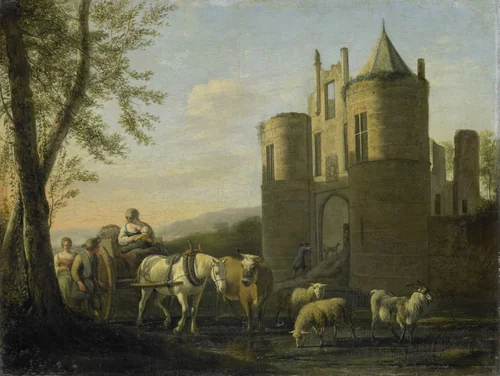
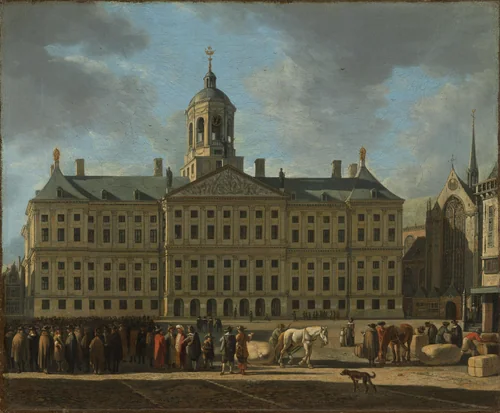
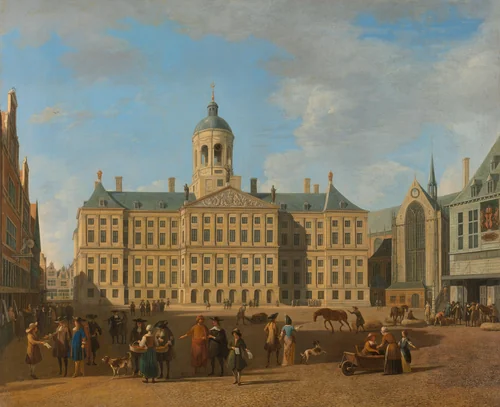
His most significant canvases capture the symbols of Dutch economic and political confidence. His depiction of the magnificent new Amsterdam Town Hall in Gezicht op het Stadhuis op de Dam vanaf de Nieuwezijds Voorburgwal showcases this technical discipline, utilizing stark light and shadow to emphasize the sheer scale of the building. In this and similar works, such as his rendering of the Hooglandse kerk te Leiden, the human figures are reduced to mere incidentals, underscoring the dominance of the architecture.
Berckheyde’s highly focused specialization resulted in Gerrit Berckheyde paintings that are considered museum-quality examples of the genre’s pinnacle. Today, his surviving output, documented as seven paintings and eight drawings, forms a vital component of institutional collections, including the Rijksmuseum. Thanks to careful conservation, many of his notable images are now available as royalty-free downloadable artwork, ensuring their continued scholarly study and public accessibility as high-quality prints. He remains a key figure in understanding how the cityscape became a defining and highly profitable genre in the Netherlands.
Source: Wikipedia · CC BY-SA 4.0