Gerrit Battem
Gerrit Battem, recorded variously as Gerard van Battum, was an important Dutch landscape painter and draughtsman active in the mid-seventeenth century. His known activity period is situated around 1646, positioning him within the fertile artistic environment of the Dutch Golden Age, where specialized landscape depiction flourished. Battem concentrated primarily on capturing the nuanced topography of the northern Netherlands, blending detailed observation with a sophisticated command of atmospheric effects.
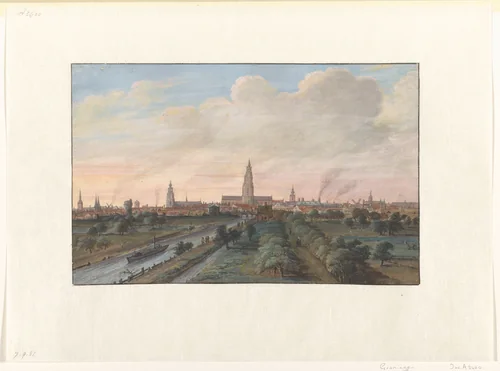
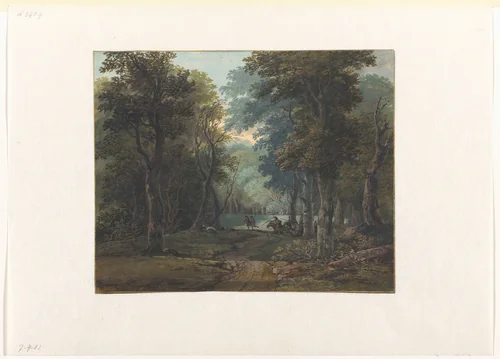
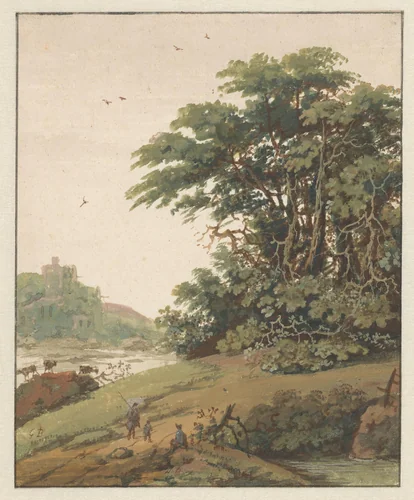
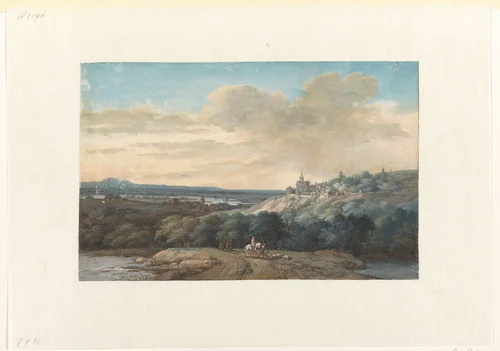
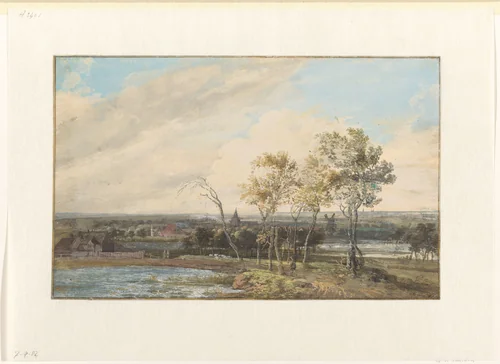
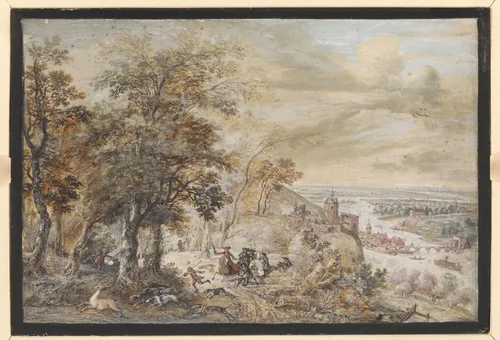
His artistic reputation rests heavily on a concise but potent body of work. Currently, only seven drawings constitute the accepted core of his surviving oeuvre. These works demonstrate an assured technical mastery, reflecting the high standards expected of graphic artists during the period. They encompass both specific urban vistas and generalized pastoral themes, contrasting precise topographical studies such as Gezicht op de stad Groningen with the more evocative natural scenes found in Jagers in een bos. The recurrence of certain motifs, evidenced by the multiple documented sheets titled Rivierlandschap, underscores his fundamental engagement with the movement of water and the defining characteristics of the Dutch environment.
The relative scarcity of surviving Gerrit Battem paintings, versus the focused inventory of his drawings, suggests that his primary commercial success may have resided in the production of finished graphic work for an elite clientele—a specialized niche often undervalued in broader art histories. The fact that his lasting recognition rests predominantly on seven exquisite sheets of paper is a useful reminder that not every significant Dutch Master required a vast studio output to achieve lasting recognition. His work is recognized for its artistic integrity and is preserved in major institutional holdings, most notably within the prestigious collections of the Rijksmuseum in Amsterdam, where these museum-quality examples reside.
Today, the meticulous detail and clear definition of his drawings remain invaluable resources for understanding the aesthetic priorities of 17th-century landscape draughtsmanship. While the originals remain under institutional care, the clarity and compositional strength of his designs ensure that high-quality prints derived from the public domain documentation of his work are increasingly available, often accessible as downloadable artwork for scholars and enthusiasts worldwide.
Source: Wikipedia · CC BY-SA 4.0