Germany
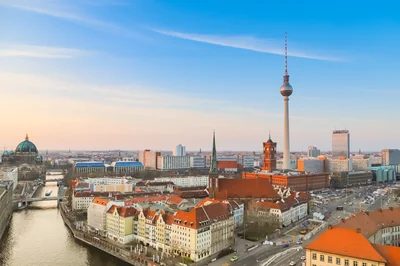
The artistic tradition associated with the territory known today as Germany spans centuries of meticulous craftsmanship, particularly in the production of liturgical and secular textiles. Active across Central and Western Europe from the Late Gothic period (c. 1300) through the late Enlightenment (c. 1795), the various regional workshops flourished, drawing influence from the rich trade networks facilitated by its central geographic position, lying between the Baltic Sea and the North Sea to the north and the Alps to the south.
This vast region, which today encompasses a nation bordering nine countries including France, Poland, and Denmark, was a crucial nexus for the exchange of artistic techniques and luxury materials. The resulting art demonstrates remarkable precision and dedication to religious and civic patronage. Surviving works housed in international collections, such as the Art Institute of Chicago, primarily focus on embroidery and weaving that served both the church and the home.
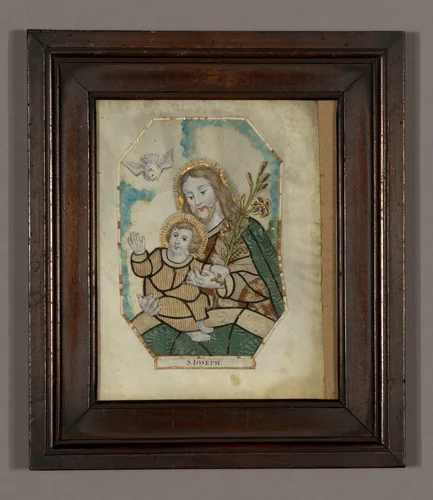
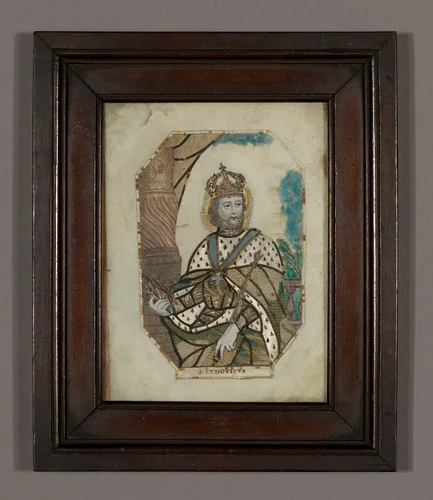
The complexity and technical ambition of ecclesiastical commissions are evident in pieces such as the Part of an Antependium (Depicting The Last Supper). This work, alongside fragments like the Fragment (From an Orphrey Band), showcases the skilled application of gold and silk thread used to elevate narrative scenes, establishing the German territories as significant contributors to Medieval and Renaissance religious art.
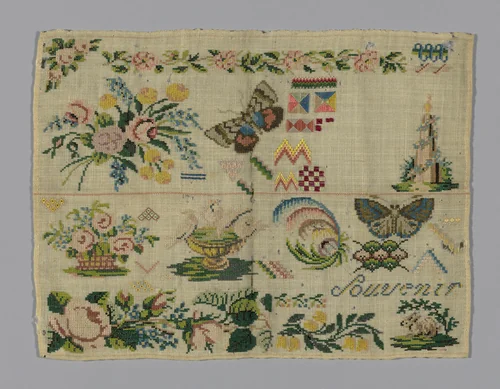
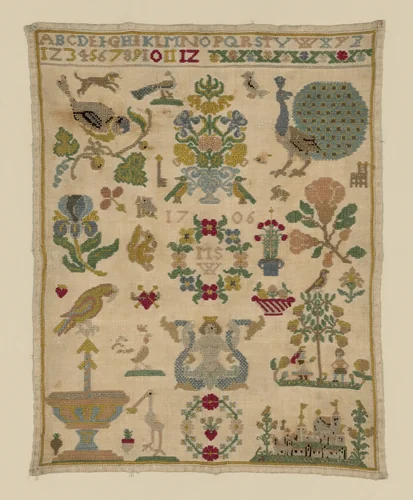
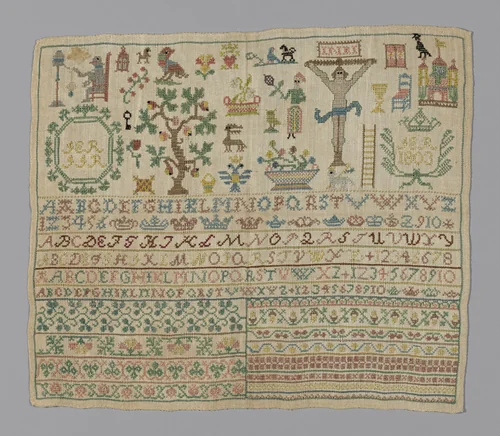
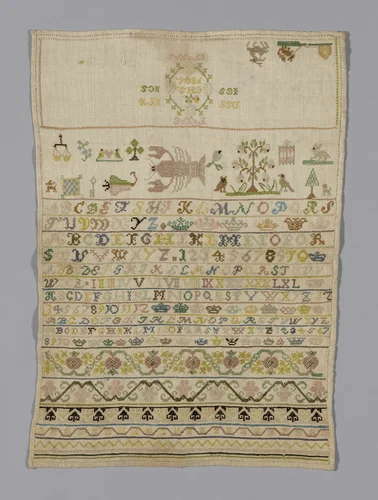
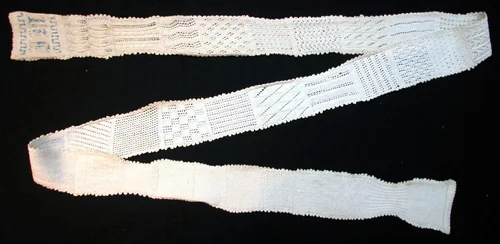
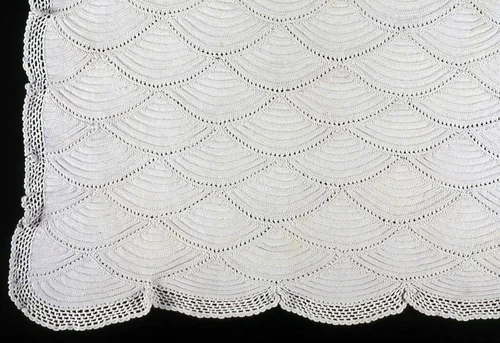
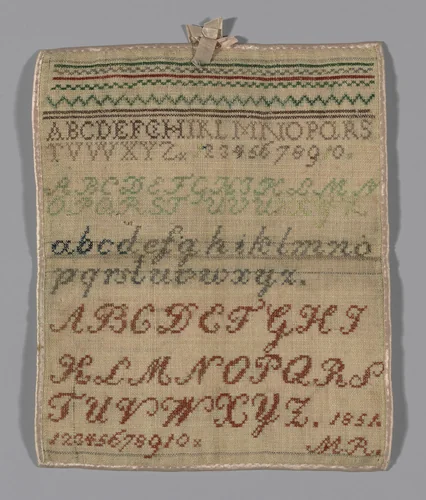
Beyond the grandeur of altar adornments, the tradition included essential educational and domestic textiles. The existence of works like the Sampler reveals the vital role textiles played in transmitting technical skill and design motifs within domestic settings, providing foundational knowledge for future generations of artisans. Similarly, simple yet highly effective geometric forms, exemplified by pieces designated Square and Border, highlight the adaptability of regional workshops to various functional and decorative needs.
The longevity of this artistic practice—uninterrupted across nearly five hundred years of profound political and religious transformation—is arguably its most compelling characteristic. From the early guild systems of cities like Frankfurt, today the nation’s financial centre, to the regional courts serviced by craftspeople near the modern capital of Berlin, the demand for sophisticated, museum-quality textile work remained high. Thankfully, many works from this period have entered the public domain, allowing institutions and researchers access to high-quality prints and royalty-free images for further study.
Source: Wikipedia · CC BY-SA 4.0