German 19th Century
The artist known as German 19th Century was active primarily between 1800 and 1850, contributing to the visual culture of Germany during the transition from Neoclassicism to the early Romantic and Biedermeier periods. While biographical details remain limited, the artist’s extant works document a focus on printmaking and drawing, though the known output also includes painting.
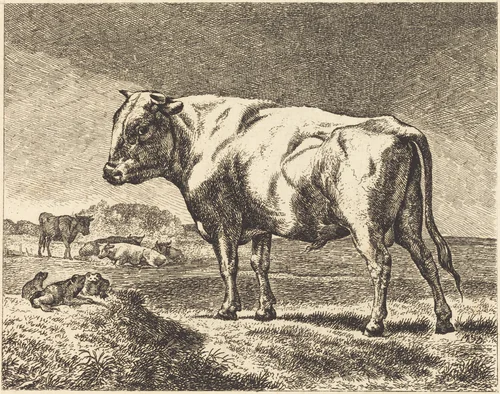
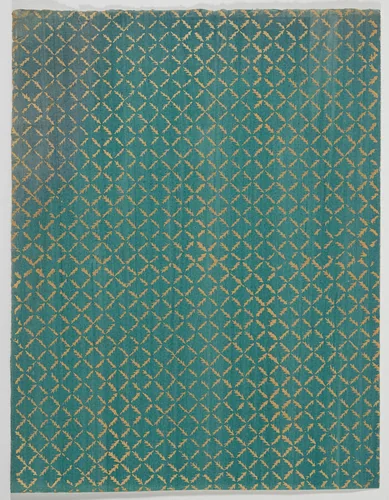
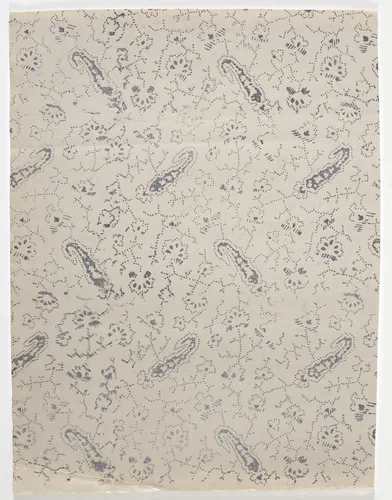
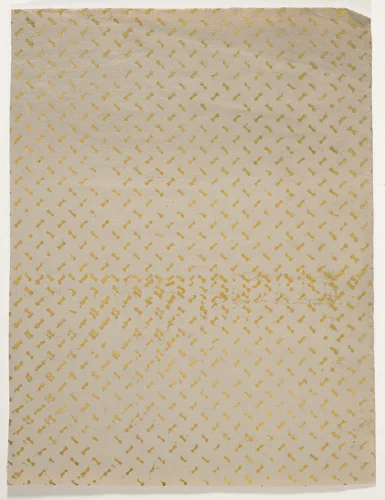
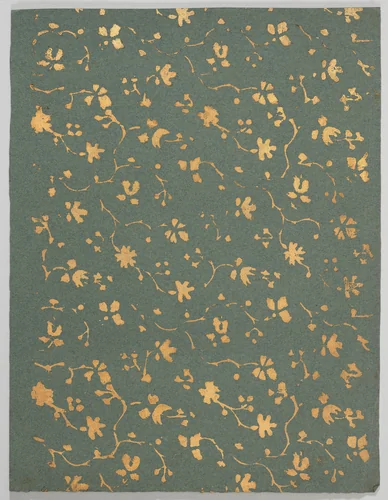
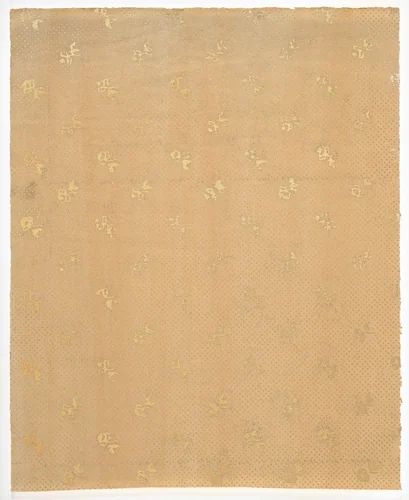
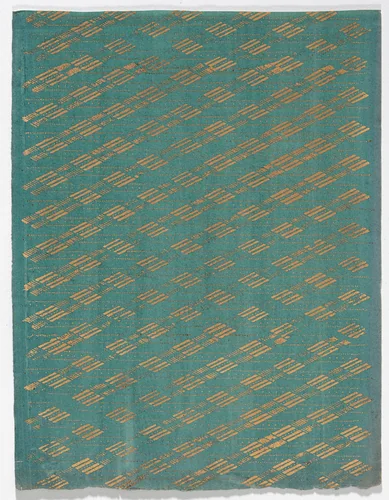
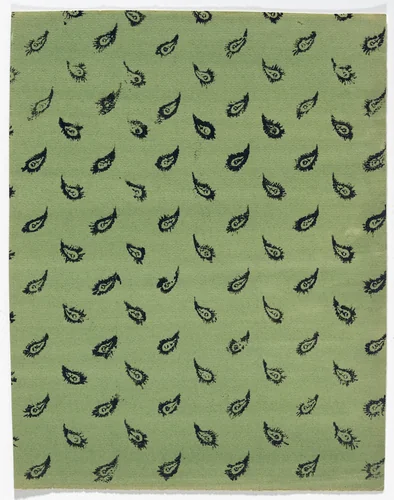
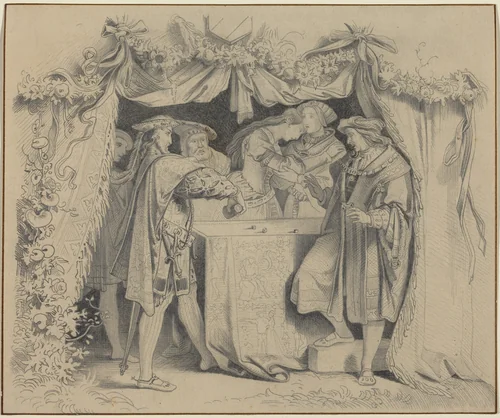
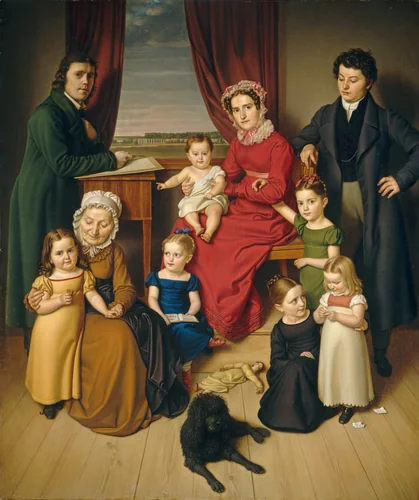
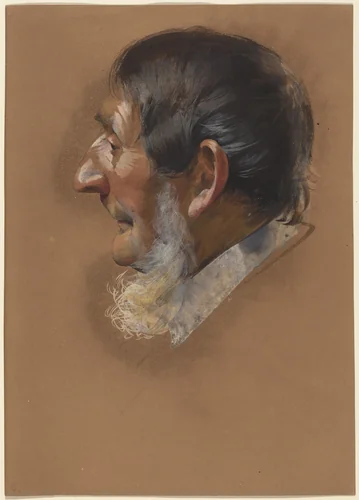
The documented body of work represented in institutional collections comprises eleven objects across three different media. The artist is known for eight prints and two drawings, alongside one surviving painting. The surviving graphic works provide insight into the technical practices of the era. Specific known works include the drawing Cow and several items identified simply as Endpaper, suggesting an engagement with preparatory or functional graphic design as well as finished compositions.
The artist's historical significance is confirmed by the preservation of their work in major public institutions. The National Gallery of Art holds the primary corpus of known works, including the German 19th Century paintings and prints. As these works reside in the public domain due to their age, they remain available for scholarly review. Today, many of these historical pieces are distributed as high-quality prints and downloadable artwork, extending access to the German graphic tradition of the early 19th century.