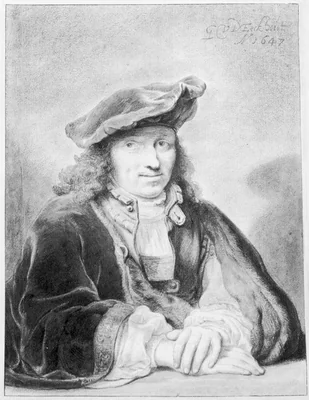
Gerbrand van den Eeckhout
Gerbrand van den Eeckhout (1621-1674) holds a crucial, often underestimated position within the Dutch Golden Age, distinguished primarily as one of Rembrandt van Rijn’s most capable and favored pupils. Active primarily between 1630 and 1650, his relatively concise yet productive career centered on historical and biblical scenes, alongside notable portraiture and intimate genre studies, establishing him as a central figure in Amsterdam's artistic milieu during the mid-seventeenth century.
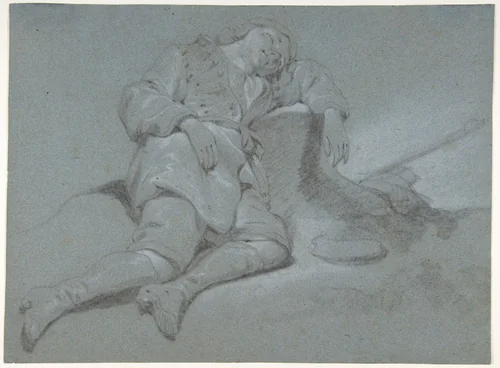
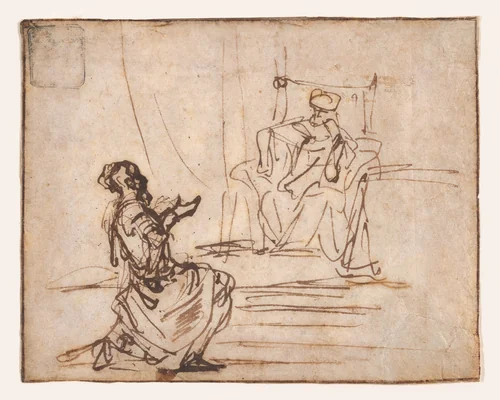
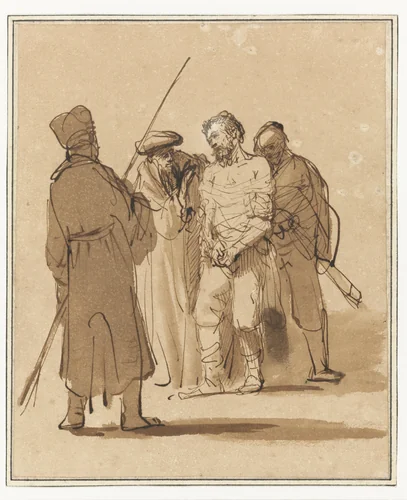
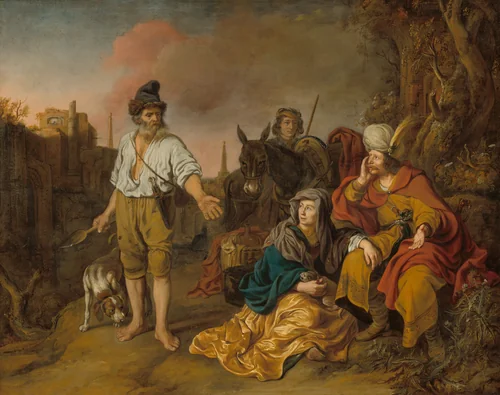
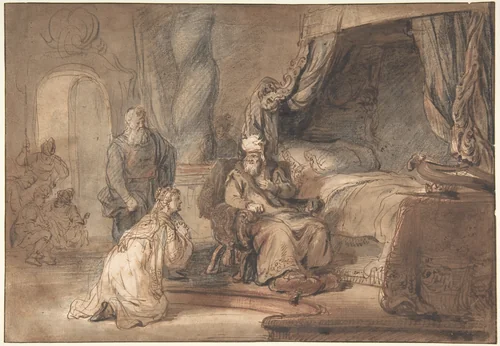
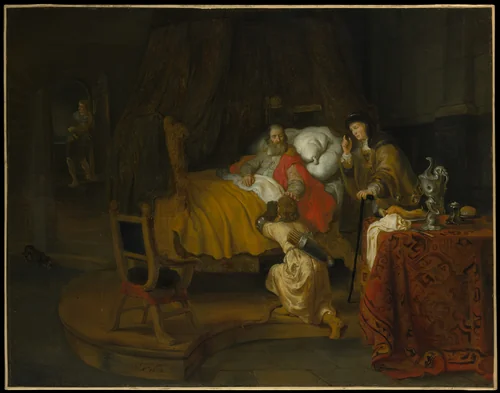
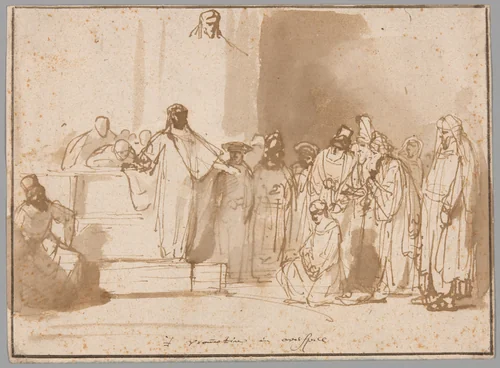
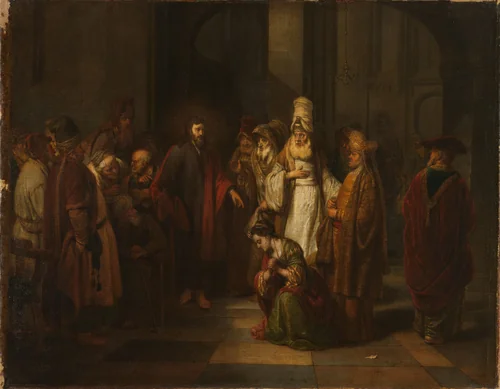
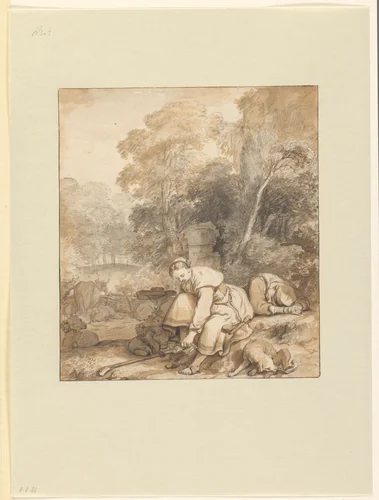
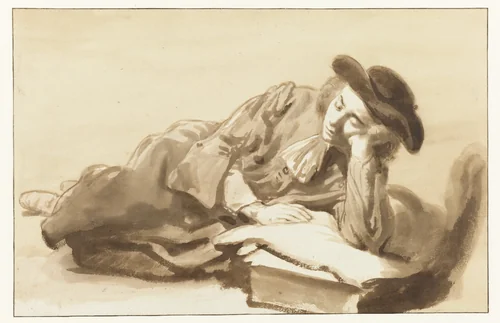
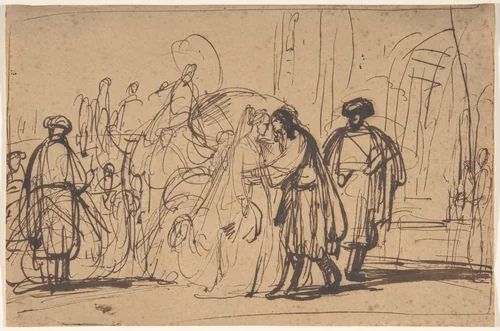
The foundational influence of his master is undeniable, particularly in Eeckhout’s compositional structures and his skilled handling of chiaroscuro to achieve psychological depth. Works such as Uriah before King David and the dramatically lit Christ Bound between Two Soldiers and a High Priest showcase his dedication to narrative clarity, a hallmark of the Rembrandt school. Yet, Eeckhout was far from a mere imitator; he skillfully developed a lighter, often brighter palette and a more refined, polished finish than his teacher, appealing to a different segment of the sophisticated Amsterdam clientele. His approach allowed him to transition smoothly between the grandeur of historical painting, exemplified by the intricate details of The Levite at Gibeah, and the quiet observation evident in drawings like A Sleeping Shepherd Boy.
Eeckhout’s activities extended well beyond the canvas. He was an accomplished etcher, leaving behind a complementary body of graphic works, and engaged deeply with the intellectual and material culture of his time. Perhaps the most interesting element of his professional life is his multifaceted role as an amateur poet, a dedicated collector, and an acknowledged adviser on art matters to wealthy patrons. This suggests a man of refined judgment, valued as much for his connoisseurship as for his technical skill.
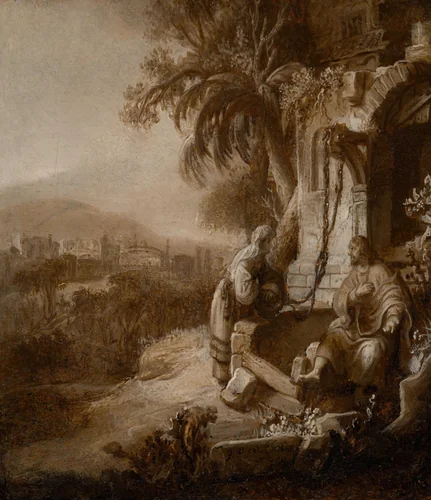
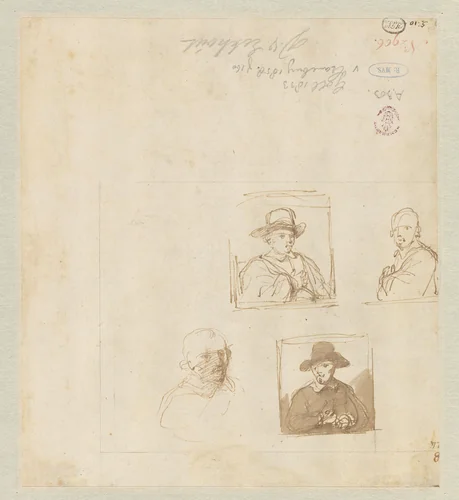
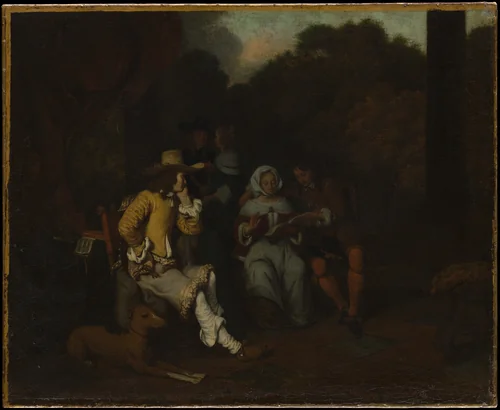
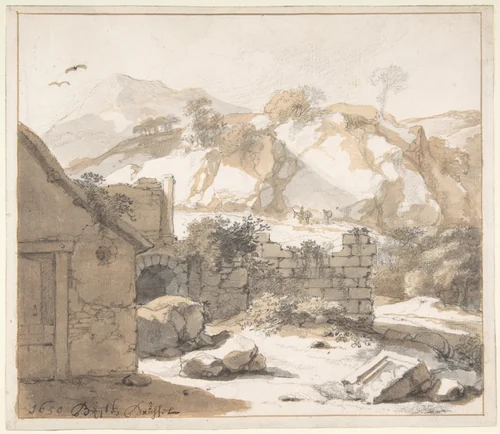
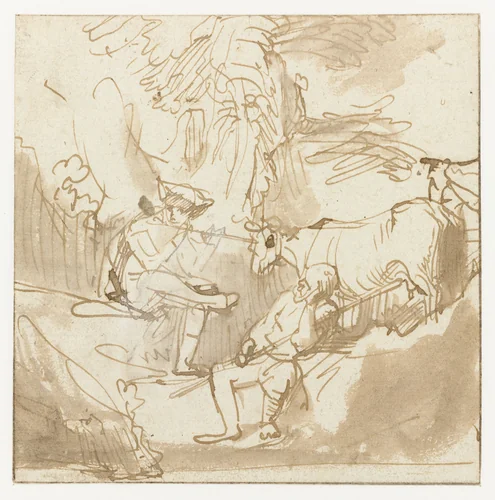
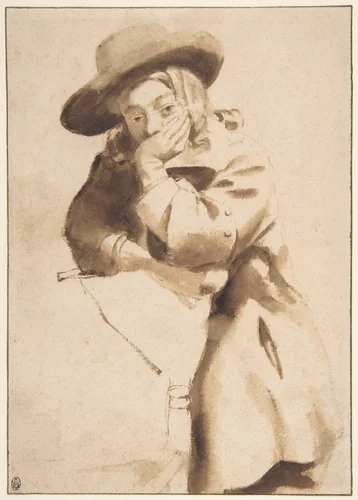
His surviving oeuvre, which includes ten drawings and several high-quality Gerbrand van den Eeckhout paintings, is highly sought after by international institutions. Today, his works are held in prestigious collections globally, including the Metropolitan Museum of Art, the National Gallery of Art, and the Art Institute of Chicago. The lasting quality of his work ensures its continued study; many of his preparatory drawings and biblical subjects, such as Christ and the Woman of Samaria at the Well, are now in the public domain, allowing enthusiasts access to downloadable artwork and museum-quality prints that help cement his reputation outside the historical shadow of Rembrandt.
Source: Wikipedia · CC BY-SA 4.0