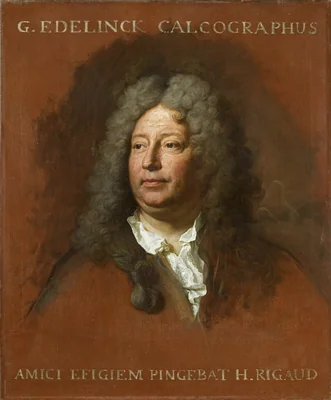
Gérard Edelinck
Gérard Edelinck stands as a definitive master of copper-plate engraving during the zenith of the French Baroque. Born in the Spanish Netherlands, his professional trajectory fundamentally shifted when he relocated to Paris, establishing residence in 1666. This calculated decision placed him immediately within the orbit of the royal court and the developing French Académie system. Nine years later, in 1675, he achieved naturalization as a French citizen, solidifying his role as a central figure in the dissemination of official French iconography.
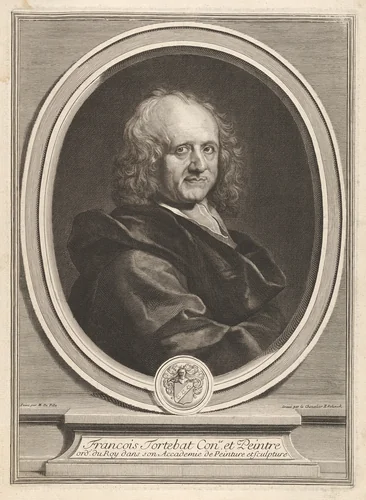
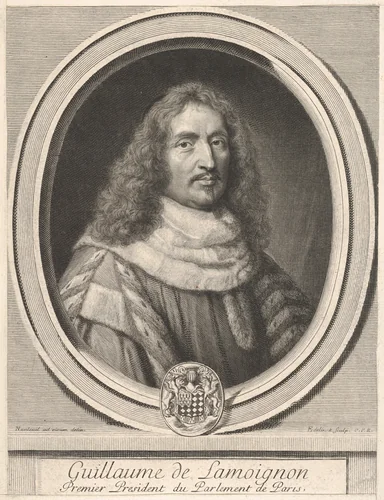
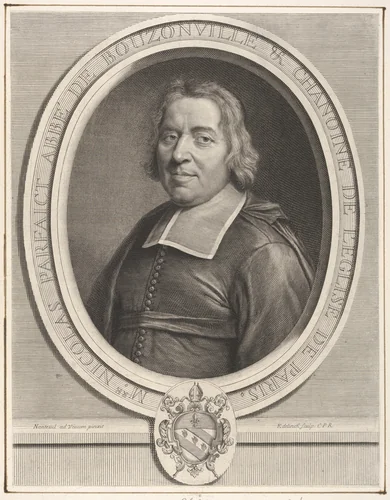
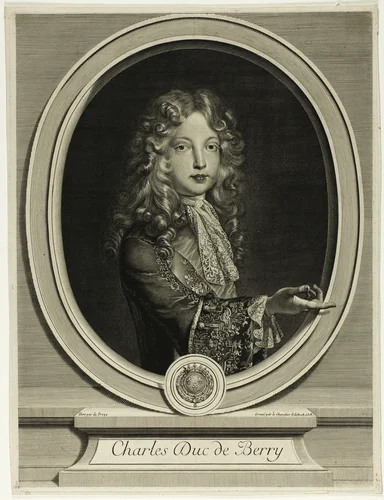
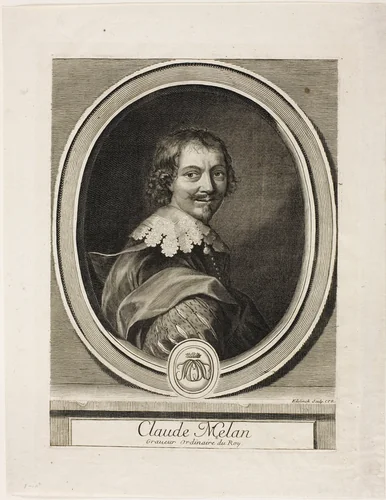
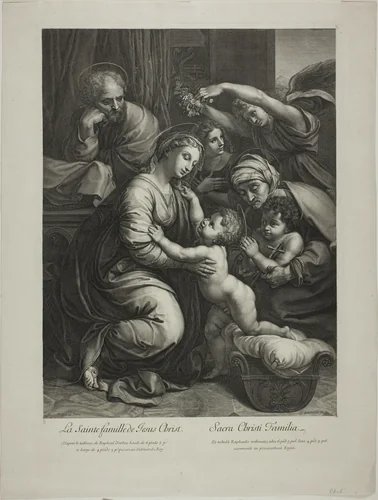
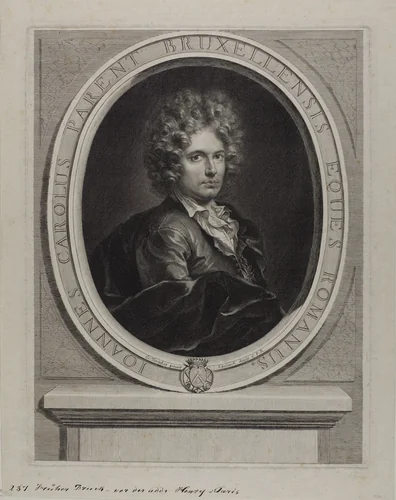
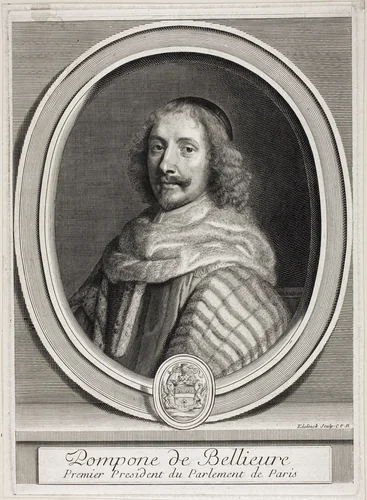
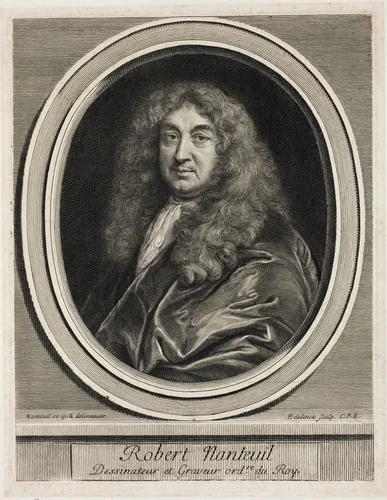
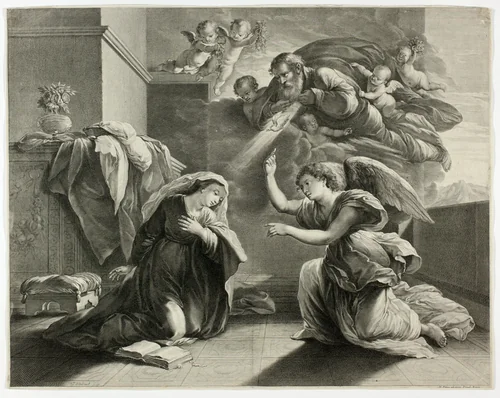
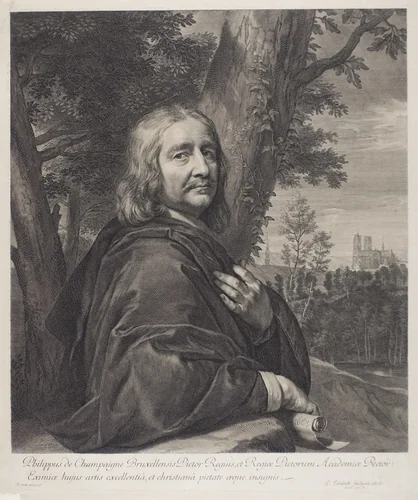
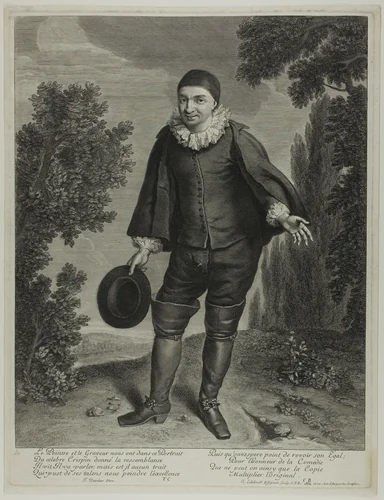
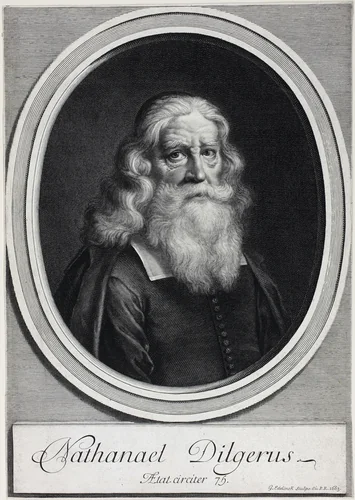
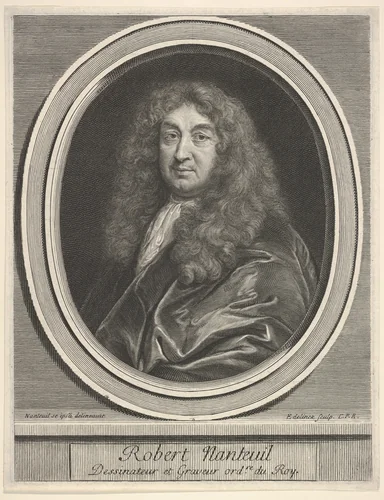
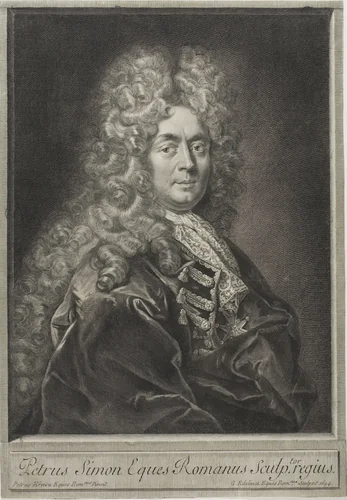
Edelinck specialized primarily as a print publisher and reproductive engraver, a position demanding both rigorous technique and sharp interpretive skills, as his medium was responsible for immortalizing the political and cultural elite before the age of mechanical reproduction. His works, held today in collections such as the Metropolitan Museum of Art and the Art Institute of Chicago, demonstrate a command over line that was rarely matched by his contemporaries. He was noted for integrating complex cross-hatching and stipple techniques to achieve unparalleled textural depth, successfully translating the fluid brushwork of painted canvases into the unforgiving permanence of the etched line.
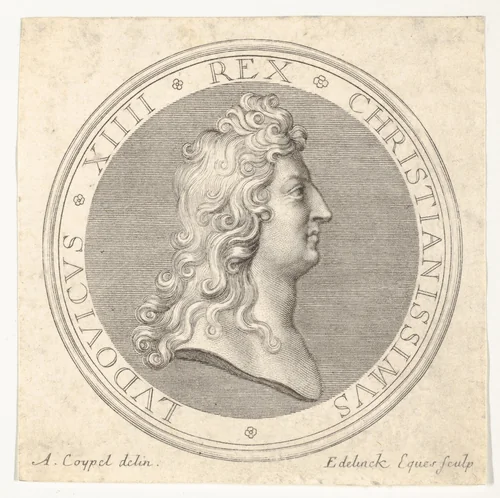
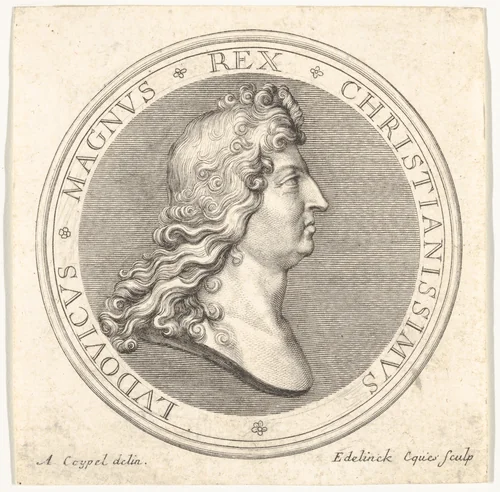
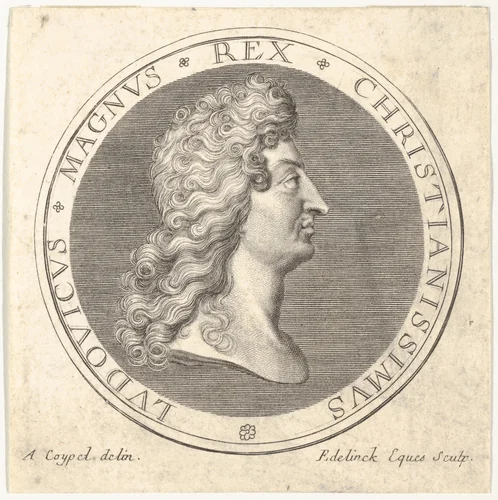
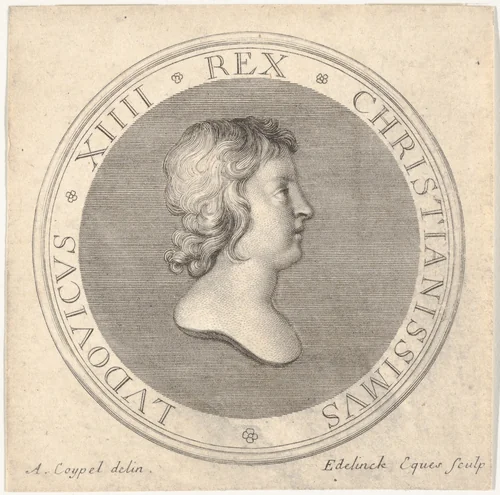
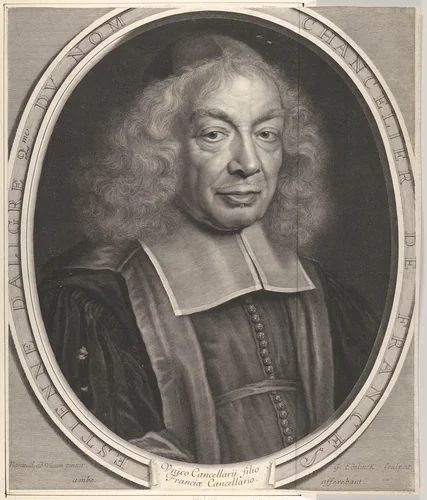
His repertoire spanned both commemorative works and grand portraiture. An early and enduring focus was on official currency and honorific coinage, exemplified by a series of detailed medals, including the powerful and politically charged Medal of Louis XIV. While engraving medals provided the financial bedrock for his career, it is his mature portraiture, such as the compelling image of Etienne Dalligre, Chancelier de France, that truly defined his legacy. Edelinck’s genius lay in capturing not merely the likeness, but the status of the sitter, often managing to make figures known for their dry political acumen appear surprisingly compelling.
The technical precision he brought to his craft ensured that his works achieved a consistent museum-quality standard. Edelinck’s contribution to the history of printmaking cemented the French style of Baroque portrait engraving for the subsequent century. The lasting clarity of Gérard Edelinck prints ensures their enduring study. Many of these historically significant works are now available in the public domain, providing researchers and enthusiasts with access to downloadable artwork of remarkable historical fidelity.
Source: Wikipedia · CC BY-SA 4.0