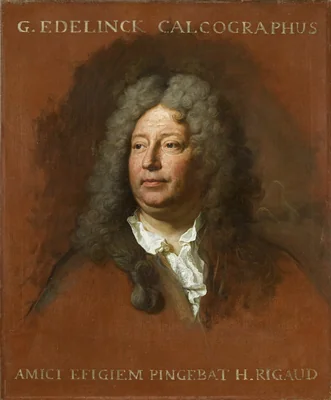
Gerard Edelinck
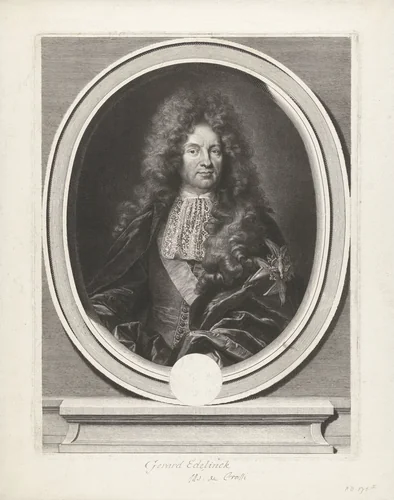
Gerard Edelinck (1617-1691) stands as one of the preeminent copper-plate engravers and print publishers of the late Baroque period, a master technician whose prodigious output defined portraiture in the French sphere during the reign of Louis XIV. Of Flemish origin, Edelinck undertook the essential career move to Paris in 1666, where the centralized infrastructure for print publication allowed him to flourish. This migration marked a crucial turning point, shifting his practice from the northern tradition toward the highly refined and formalized aesthetic demands of French classicism. By 1675, his professional success was cemented when he was granted naturalization as a French citizen, confirming his status among the era's leading graphic artists.
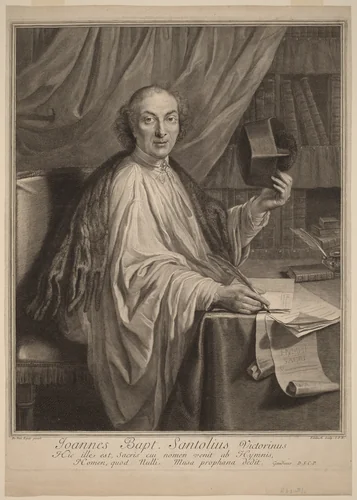
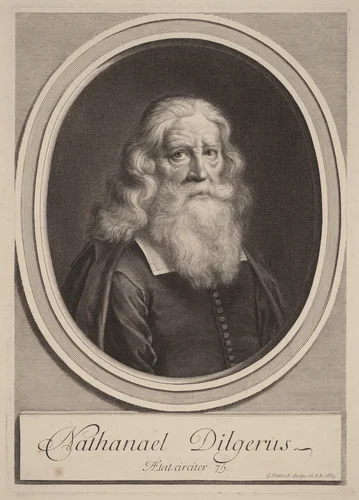
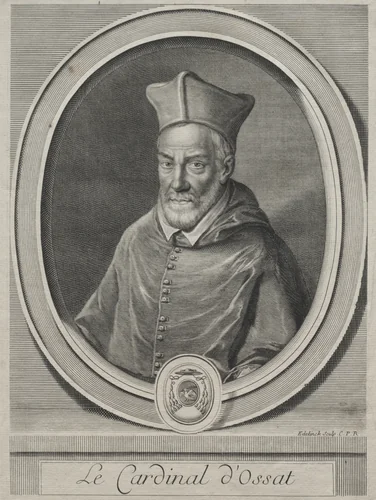
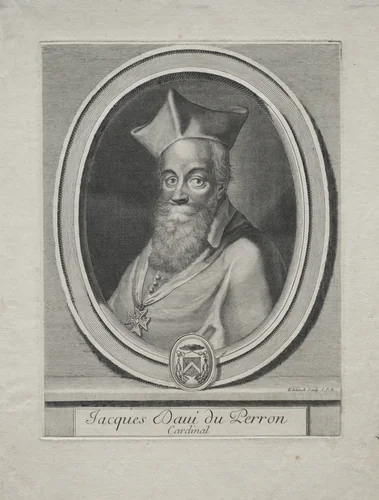
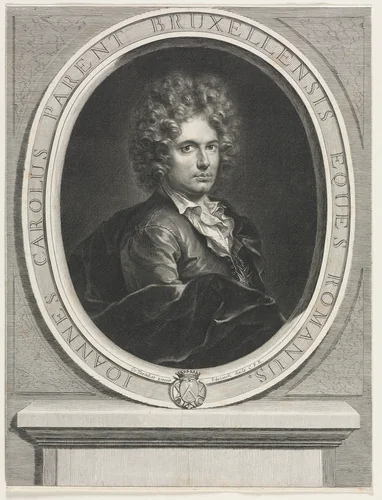
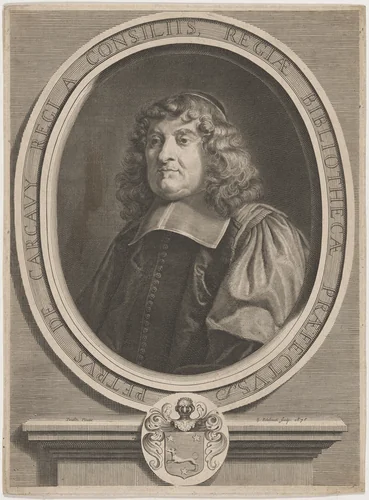
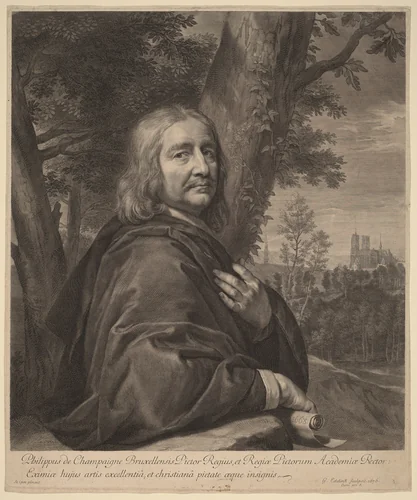
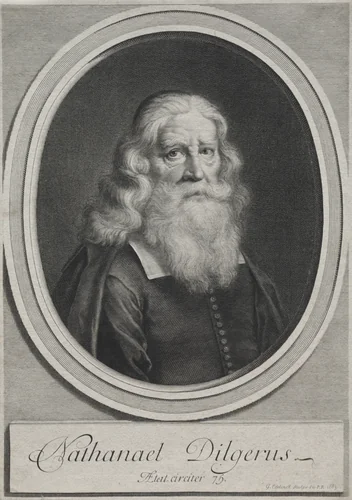
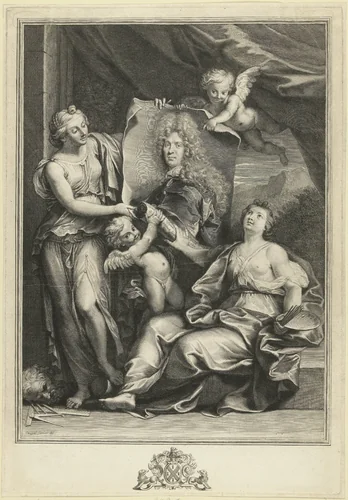
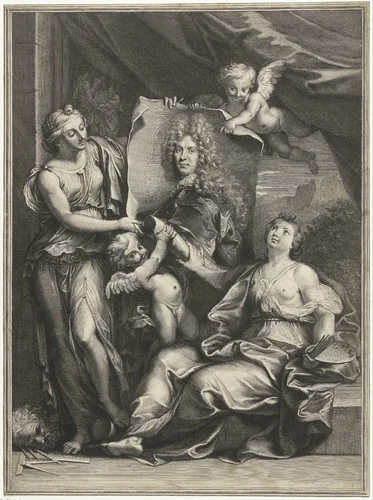
Edelinck specialized almost exclusively in portraiture. His strength lay in translating the subtle textures and emotional depth of painted originals into the stark linearity of the etched plate, requiring a remarkable command of the burin to achieve varied tonal gradients and shadows. Working not just as an artist but also as a publisher, he ensured the wide distribution of key likenesses of contemporary religious figures, intellectuals, and royalty. A close study of his catalog reveals that Edelinck appears to have had a particular aptitude for capturing the nervous energy beneath the official formality of his sitters, especially evident in plates such as Jean-Baptiste Santeuil and the scholarly portrait of Nathanael Dilgerus.
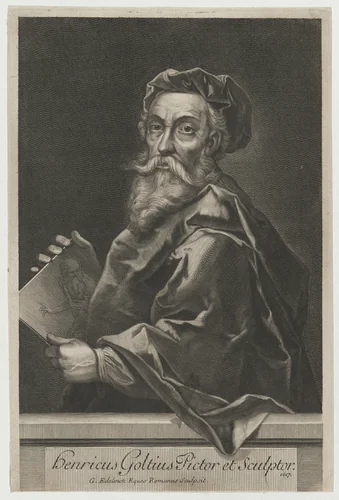
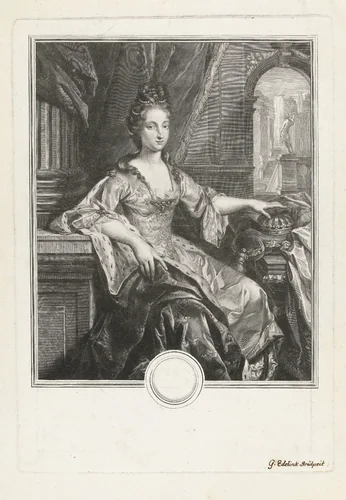
The breadth of his commissioned work is illustrated by plates like Portret van Ulrika Eleonora van Denemarken, demonstrating the international reach of his practice, alongside tributes to fellow masters, such as Hendrik Goltzius, Pictor et Sculptor. Edelinck’s methodical and precise approach to engraving effectively set a standard for museum-quality graphic reproduction that few contemporaries could match.
Today, his significant oeuvre, totaling at least fifteen known prints, is preserved in global institutions including the Cleveland Museum of Art, the Rijksmuseum, and the National Gallery of Art. Given the historical age and original purpose of these works—to disseminate visual information quickly—high-quality prints of Edelinck’s engravings are frequently found within the public domain, offering valuable and historically accurate insight into 17th-century court and intellectual life.
Source: Wikipedia · CC BY-SA 4.0