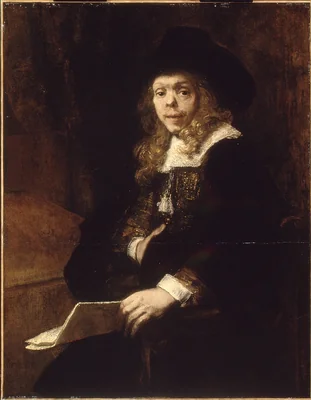
Gerard de Lairesse
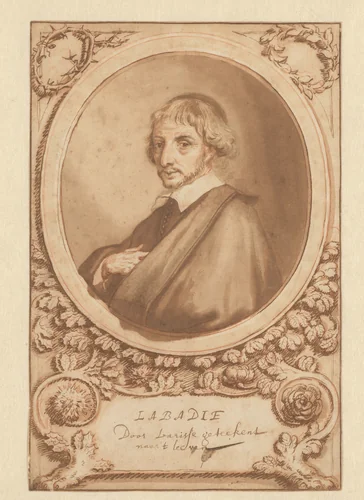
Gerard de Lairesse (1600-1655) stands as one of the most intellectually rigorous figures of the Dutch Golden Age, distinguished equally as a skilled painter and an influential art theorist whose academic doctrines profoundly shaped the aesthetic trajectory of the 18th century. Operating primarily outside the dense psychological drama favored by many of his contemporaries, Lairesse instead championed a precise, disciplined classicism, often described as the antithesis of the local baroque style. His historical significance solidified in the period following the death of Rembrandt, where Lairesse’s dedication to French and Italianate formal ideals offered a highly compelling and systematic alternative to previous generations of Dutch masters.
Lairesse’s sophisticated visual philosophy was deeply rooted in scholarship, aligning him closely with the doctrines of the Perugian Cesare Ripa and the monumental French stylists such as Charles le Brun and Simon Vouet. He drew further inspiration from classical authors and dramatists, notably Pierre Corneille and Jean Racine. Unlike many artists who remain solely tethered to the canvas, Lairesse possessed a remarkable breadth of cultural aptitude, encompassing music, poetry, and theatre. Indeed, his multifaceted engagement with the high arts suggests he was less an easel painter and more a complete architect of cultured taste for his generation.
It is through his instructional texts that Lairesse secured his enduring historical position. His theoretical approach was grounded in the belief that art could be taught through geometric principles and careful adherence to established rules. His detailed instruction manual, Grondlegginge Ter Teekenkonst (1701), codified drawing technique, while the subsequent Groot Schilderboek (1707) served as a comprehensive treatise on painting. These influential works codified academic standards and became foundational reading across Europe, ensuring that Lairesse’s measured classicism dominated art education for decades.
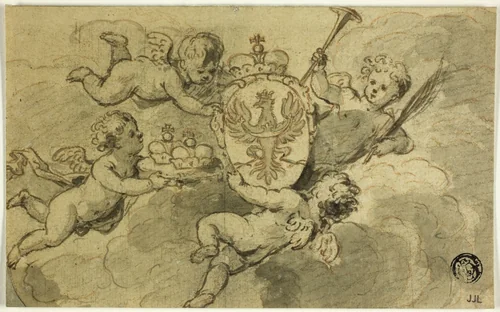
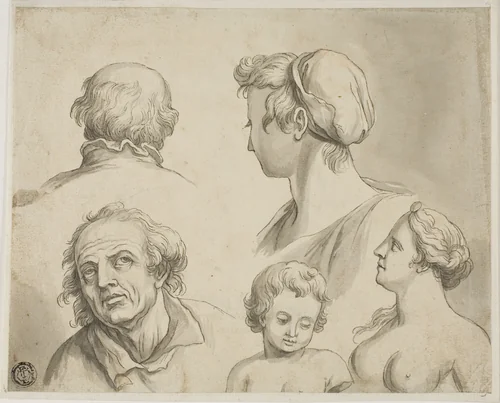
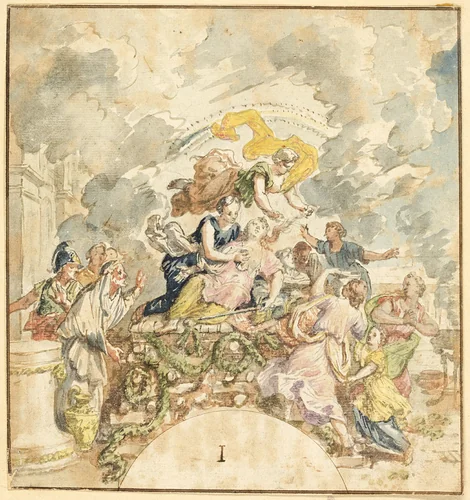
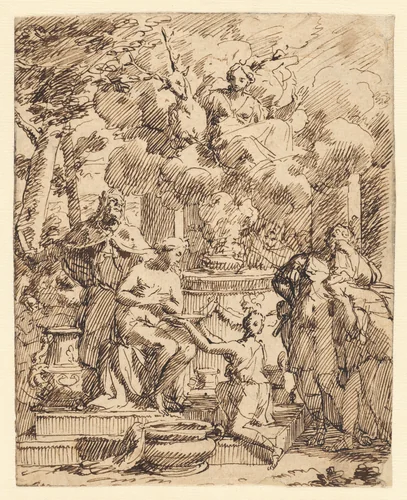
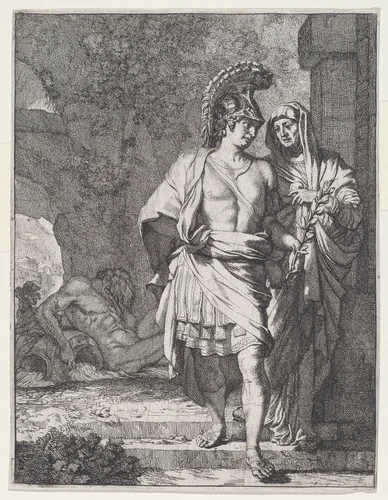
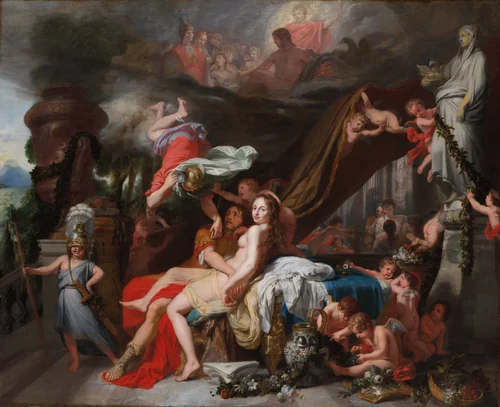
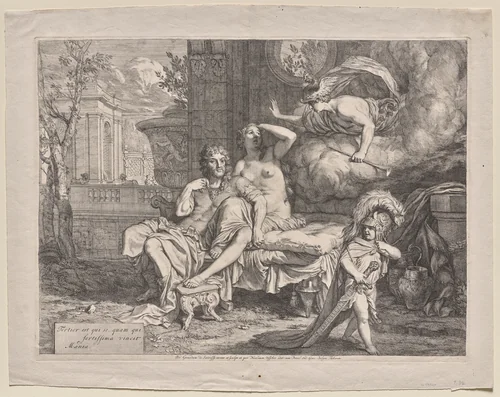
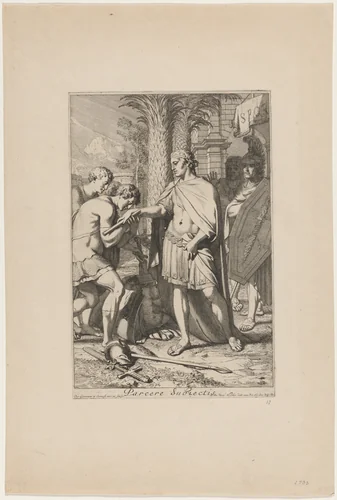
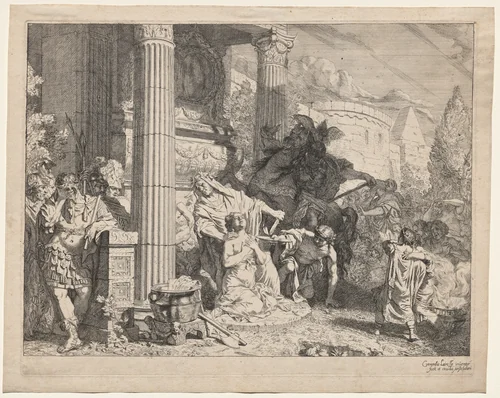
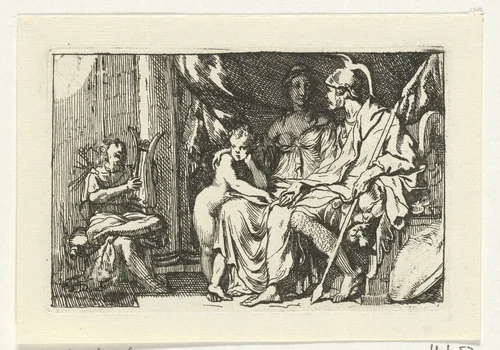
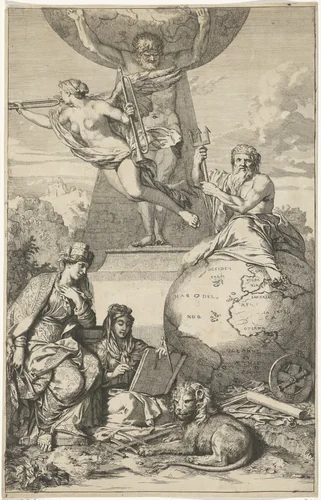
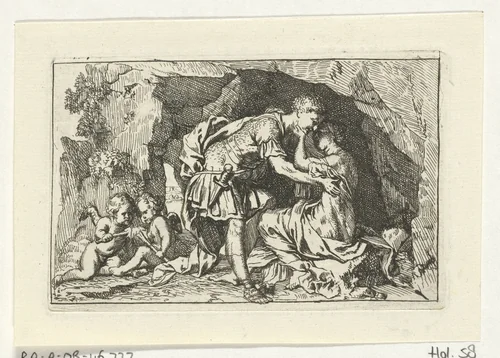
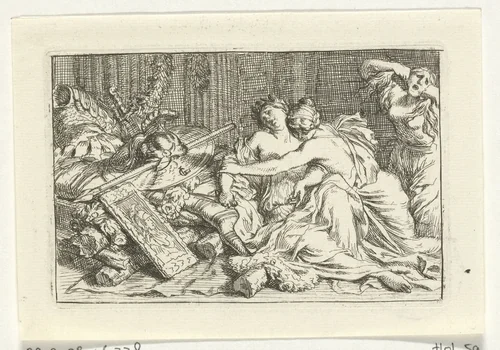
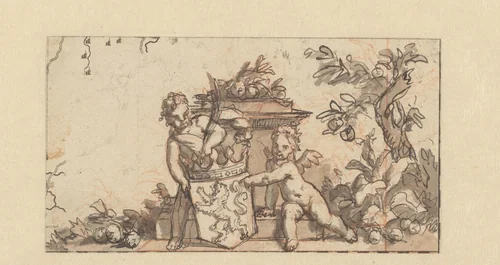
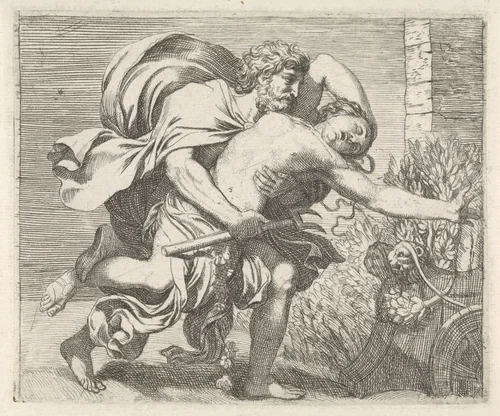
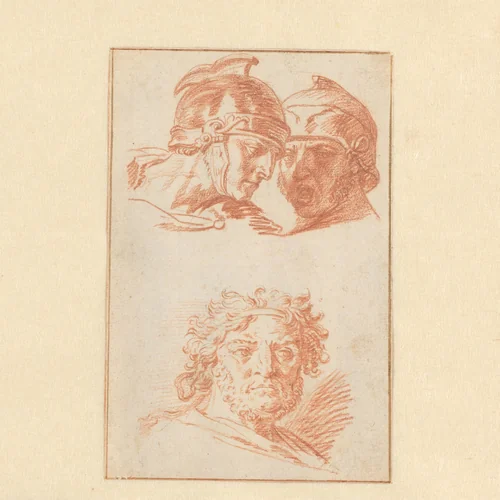
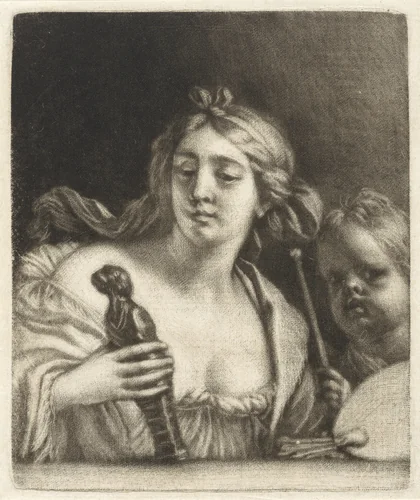
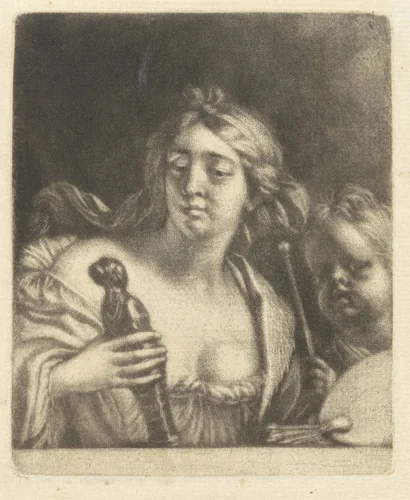
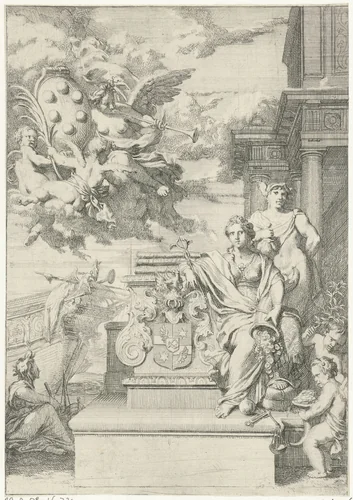
Lairesse’s mastery of narrative and composition is preserved in major international collections, including the Rijksmuseum, the Metropolitan Museum of Art, and the Art Institute of Chicago. His rigorous interpretation of classical and historical themes is evident in works such as Warrior Chasing Woman Away from Palace and the powerful Semiramis on the Lion Hunt. Many of the preparatory studies and Gerard de Lairesse prints from his extensive oeuvre are now available in the public domain, providing researchers and enthusiasts with access to high-quality prints for study and appreciation.
Source: Wikipedia · CC BY-SA 4.0