Gerard de Jode
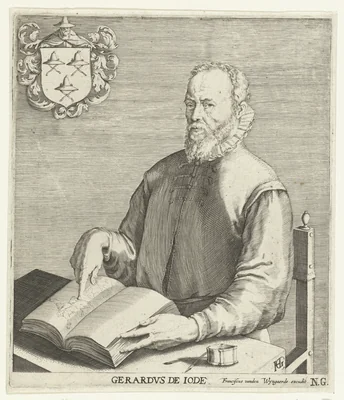
Gerard de Jode (active 1541-1650) was a pivotal figure in the expansion of Netherlandish printing during the 16th century, operating primarily from the commercially vibrant center of Antwerp. Distinguished as a cartographer, engraver, and publisher, De Jode’s significance to the visual arts lies in his strategic command over the production and widespread distribution of religious and historical imagery. His capacity to merge highly technical drawing skills with the necessities of mass production established his workshop as a cornerstone of Northern European visual culture.
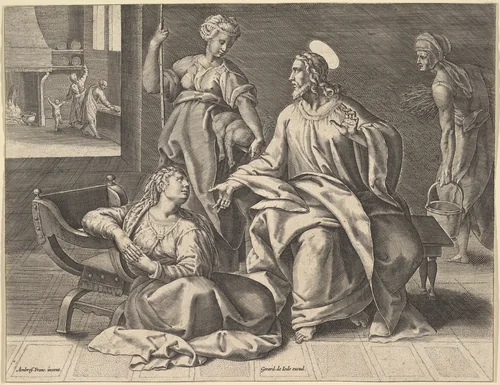
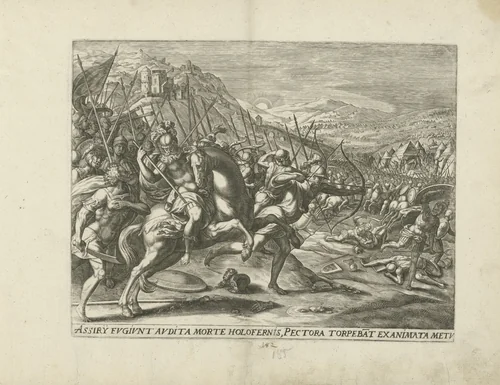
De Jode’s artistic output focused heavily on biblical narrative cycles, often working from designs by contemporary masters and then finishing the plates himself with exceptional precision. Examples such as Christ in the House of Mary and the dramatic military scene Vlucht van het Assyrische leger demonstrate his command of complex compositional arrangements and expressive line work, crucial for engaging a wide, literate audience. However, his most lasting artistic impact is codified in his comprehensive volumes.
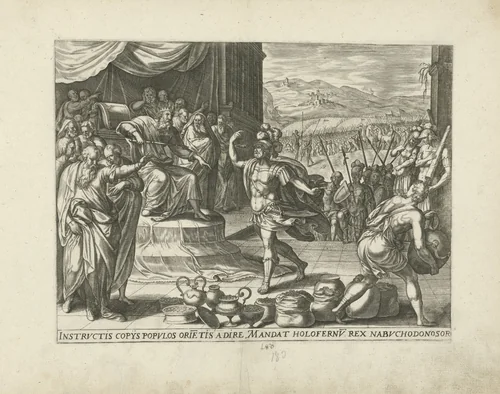
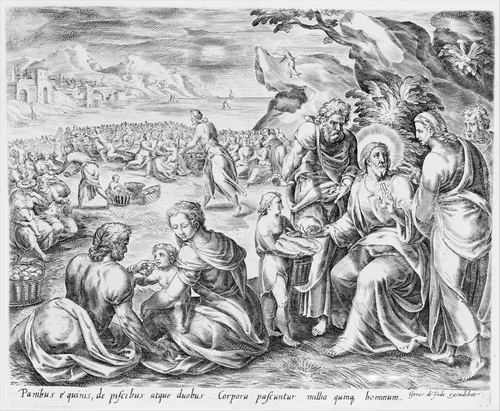
His magnum opus in sacred history, the Thesaurus Sacrarum historiarum Veteris et Novi Testamenti, was a monumental compilation of sacred stories presented in meticulously detailed prints. This extensive effort to standardize and disseminate high-quality prints of scriptural scenes made De Jode’s workshop a vital source for religious instruction and visual piety across Europe. The sheer volume and technical refinement of the resulting Gerard de Jode prints ensure these robust compositions continue to be studied today for their narrative clarity and engraving skill.
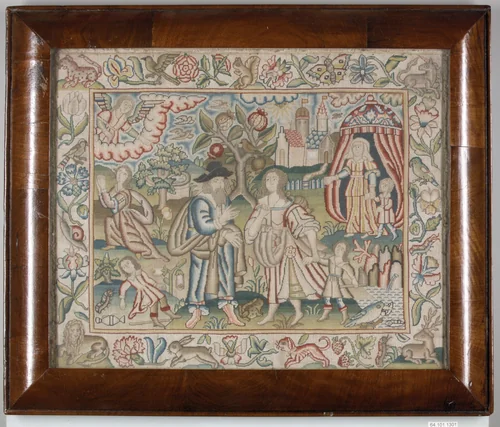
As a publisher, De Jode was known to be a competitive figure, particularly against the geographical powerhouse Abraham Ortelius. It is perhaps the highest compliment to De Jode’s commitment that, despite often arriving second to market with his major atlases, the ultimate museum-quality execution of his finished works was universally admired. This dedication to meticulous craftsmanship cemented his position among the most respected printmakers of his era. Today, the enduring detail and historical value of his imagery, including rare works like a surviving textile, are preserved in prestigious international venues. Reflecting their historical significance and broad educational value, many of these downloadable artwork reproductions are now widely accessible through public domain initiatives.
Source: Wikipedia · CC BY-SA 4.0