Gerard David
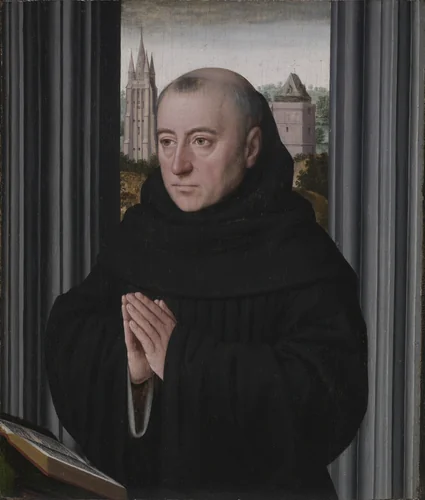
Gerard David stands as a significant figure in the transition of late fifteenth-century art in the Low Countries. Active primarily between 1480 and 1505, he was an accomplished Early Netherlandish painter and manuscript illuminator whose renown rested chiefly upon his masterful control of pigment and light. While the biographical record remains frustratingly sparse, key facts confirm his professional prestige; he is potentially the Meester gheraet van brugghe who achieved the status of master in the prestigious Antwerp guild by 1515. The geographic spread of his known activities suggests he operated highly successful workshops in both the established artistic center of Bruges and the rapidly ascending commercial hub of Antwerp, positioning him uniquely at a critical juncture in Northern Renaissance production.
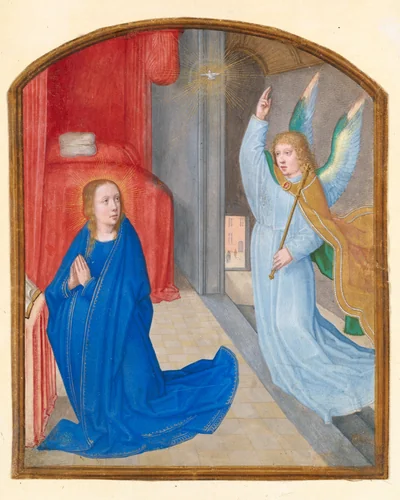
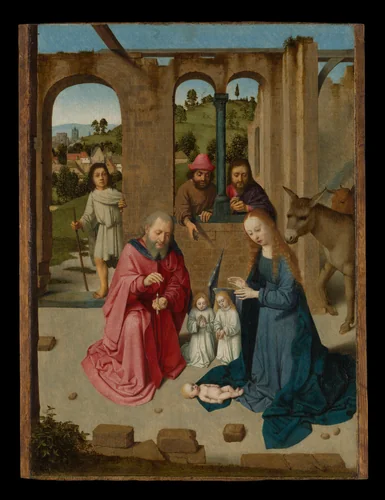
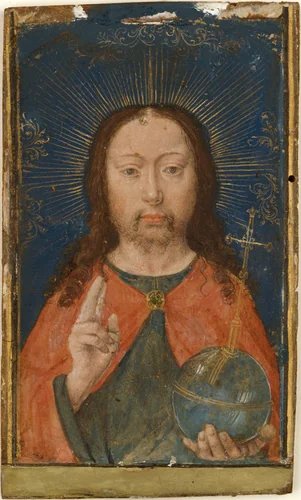
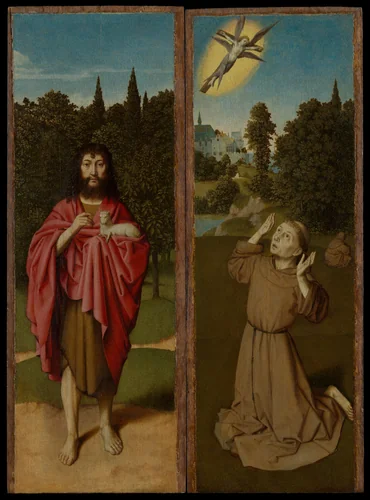
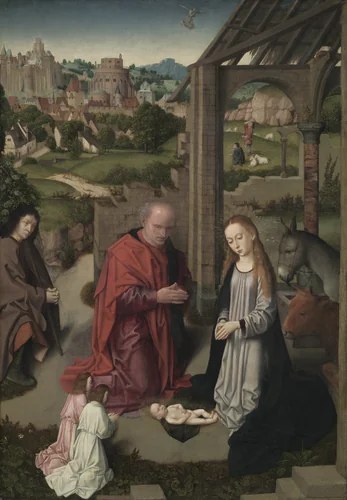
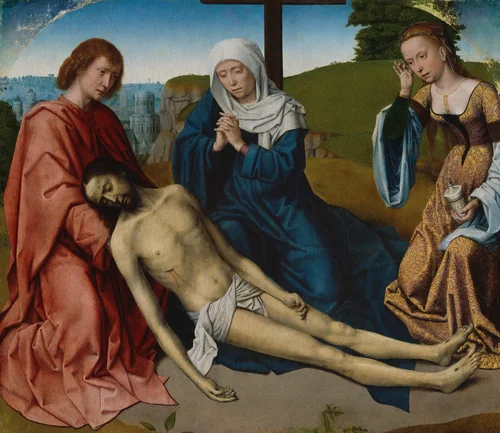
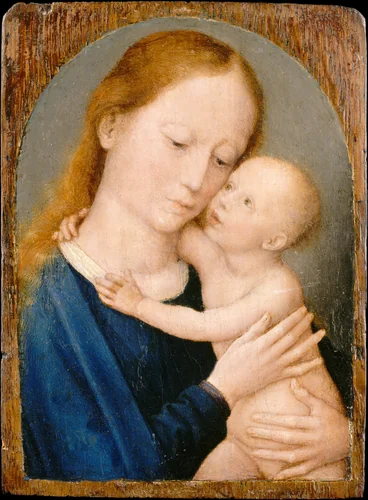
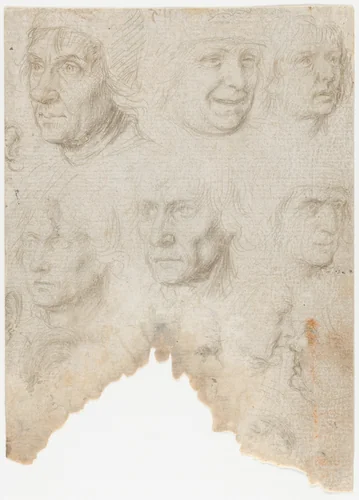
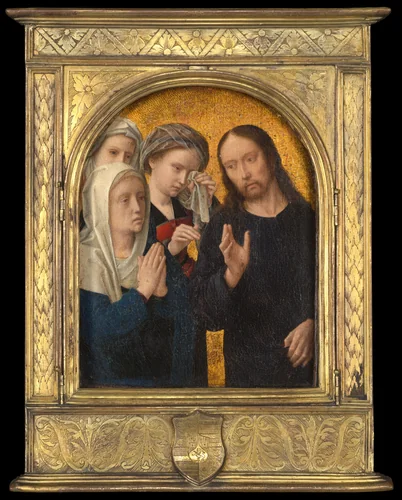
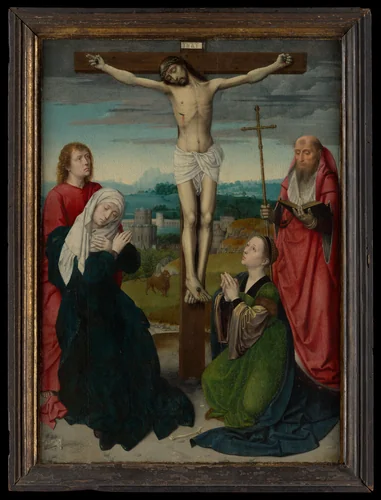
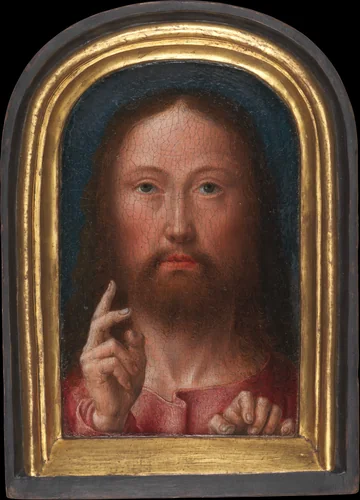
David’s artistic legacy is defined by a serene clarity, contrasting the dramatic emotionalism sometimes favored by his predecessors. He absorbed the detailed realism popularized by Jan van Eyck but injected a distinctive, vibrant palette. His known production includes works ranging from small devotional panels, such as the haunting Holy Face, to complex altarpiece elements like the repeated, serene theme of The Nativity. His expertise in illumination clearly elevated his painting, manifesting in an almost jewel-like precision in rendering textiles and flesh tones, exemplified beautifully in collaborative works such as Saint John the Baptist; Saint Francis Receiving the Stigmata. The emotional weight in pieces like the Lamentation over the Body of Christ is achieved through subtle composition rather than overt gesture, lending his Gerard David paintings a meditative, museum-quality reverence.
Despite his evident professional success during his life-time, David’s standing suffered the common fate of many Northern masters: his reputation was largely eclipsed during the theatrical baroque era of the seventeenth century. It seems the quiet dignity of his compositions was no match for the dramatic demands of subsequent generations. Fortunately for posterity, a substantial portion of his oeuvre survived this period of neglect, leading to his enthusiastic rediscovery by nineteenth-century scholars. Today, his meticulously preserved works, represented in major collections from the Rijksmuseum to the Metropolitan Museum of Art, are crucial artifacts for understanding late Flemish painting. Many of these important images are now available in the public domain, allowing researchers and enthusiasts access to high-quality prints and downloadable artwork for study and appreciation.
Source: Wikipedia · CC BY-SA 4.0
![The Saint Anne Altarpiece: Saint Anne with the Virgin and Child [middle panel] by Gerard David, painting, 1500-1520](https://img.artbee.org/db2cc683-78af-46a0-b0c4-bfcafa60779b/small.webp)
![The Saint Anne Altarpiece: Saint Anthony of Padua [right panel] by Gerard David, painting, 1500-1520](https://img.artbee.org/e57af0df-3cd4-44fd-b0bc-a45db1c706ba/small.webp)
![The Saint Anne Altarpiece: Saint Nicholas [left panel] by Gerard David, painting, 1500-1520](https://img.artbee.org/9f911719-c6b1-4b5a-a7e6-c0d3103a3209/small.webp)