Gerard Bilders
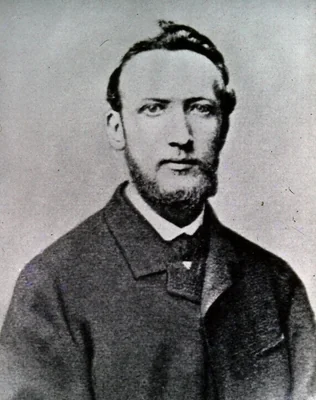
Albertus Gerardus Bilders (1838-1865) holds an essential, if brief, place in the history of Dutch Realism. Though his career was cut short, the painter, known professionally as Gerard Bilders, served as a foundational influence and contemporary associate of the artists who would define the burgeoning Hague School movement. His significance lies in bridging the atmospheric ideals of the previous generation with the direct, observational aesthetic that characterized the new realism of the mid-nineteenth century.
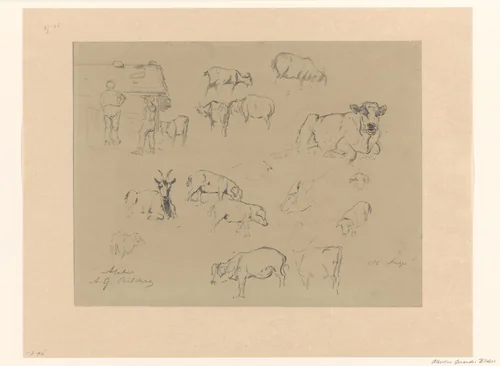
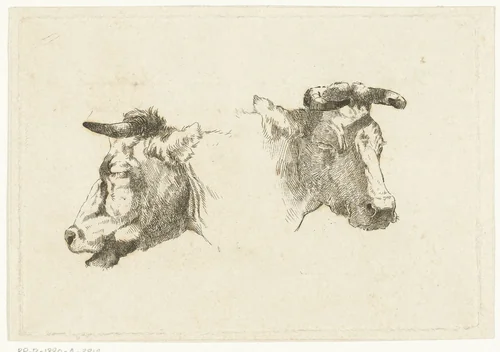
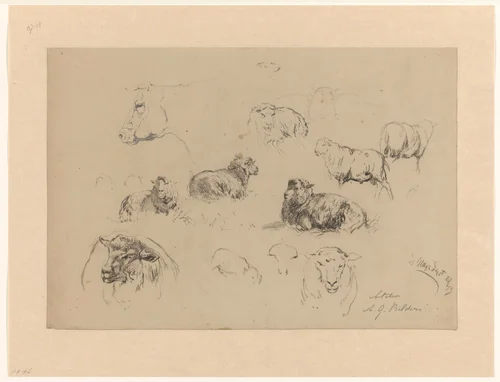
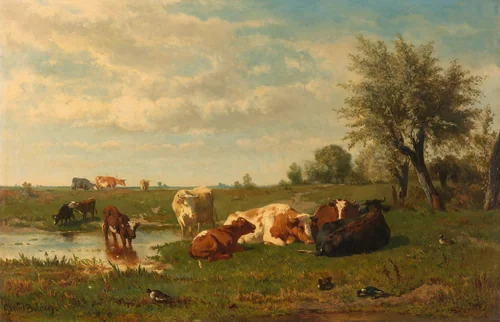
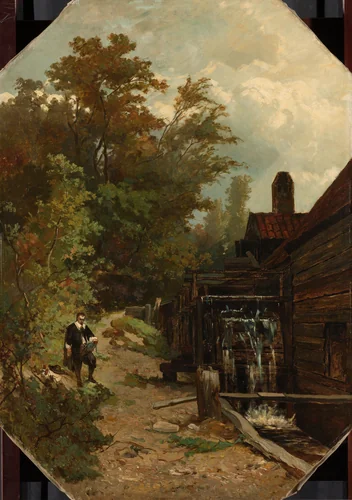
Active for less than two decades, Bilders dedicated his compact oeuvre almost entirely to the pastoral life of the Dutch landscape. His work, which includes a select number of canvases like Cows in the Meadow, alongside extensive preparatory drawings such as Schetsblad met studies van schapen en een koeienkop, reveals an intense focus on capturing the effects of light and mood within the rural scene. His commitment to naturalism often expressed itself through a singular, understated fascination with livestock; even when depicting historical artistic endeavors, as in the print Jacob van Ruisdael Sketching a Watermill, cows inevitably populate the foreground, confirming the centrality of the bovine subject in his visual vocabulary.
Bilders was instrumental in fostering the intellectual environment from which the Hague School emerged. He maintained close artistic connections with younger contemporaries, including Anton Mauve and Willem Maris. His early advocacy for painting en plein air and his prioritization of atmospheric veracity helped solidify the stylistic direction these artists would pursue. Had his life not ended prematurely, it is likely he would have stood among the formal leaders of the movement.
Today, Bilders’s limited, high-quality production is preserved in prominent international collections, with key Gerard Bilders paintings housed in institutions like the Rijksmuseum. Scholars and enthusiasts alike value his works as indispensable records of Dutch art’s transition into modern realism. Many of these historical documents are now in the public domain, allowing access to the artist’s unique vision, and making high-quality prints readily available for research and appreciation.
Source: Wikipedia · CC BY-SA 4.0