Georgia O'Keeffe
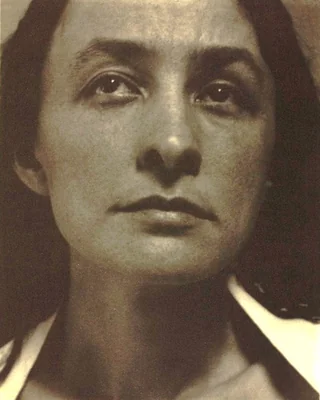
Georgia Totto O'Keeffe (1887-1986) is recognized as a foundational figure of American Modernism. Her career spanned seven consequential decades, during which she developed an intensely personal and distinctive visual language that remained largely independent of the major European art movements of her time. Often referred to as the "Mother of American modernism," O’Keeffe brought international recognition to a uniquely American sensibility, one deeply rooted in the observation of nature.
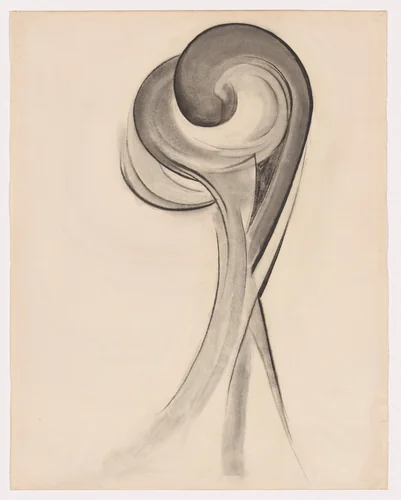
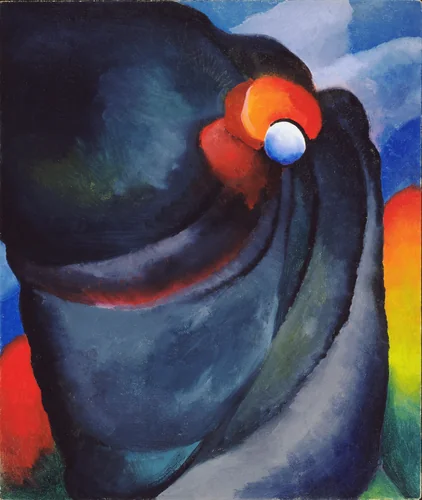
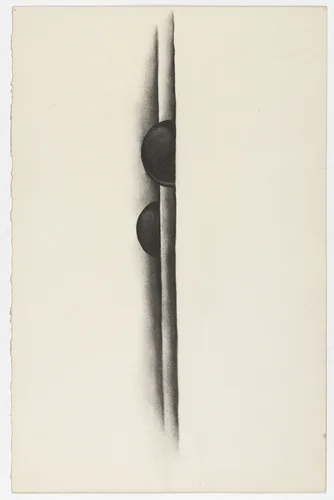
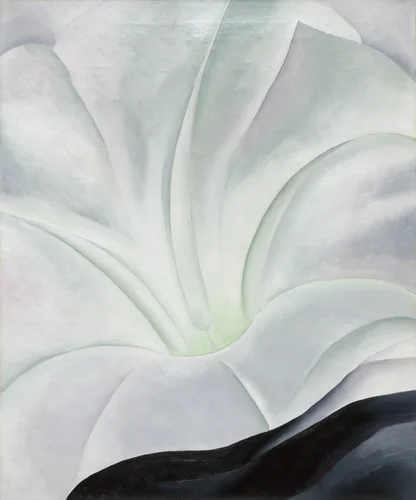
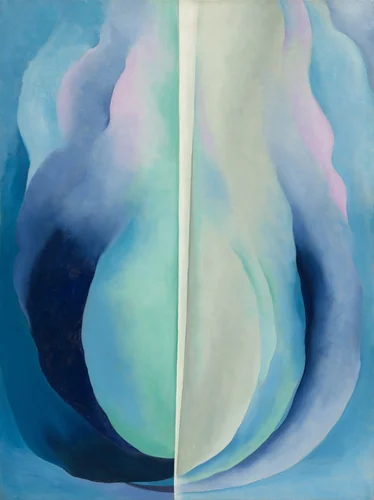
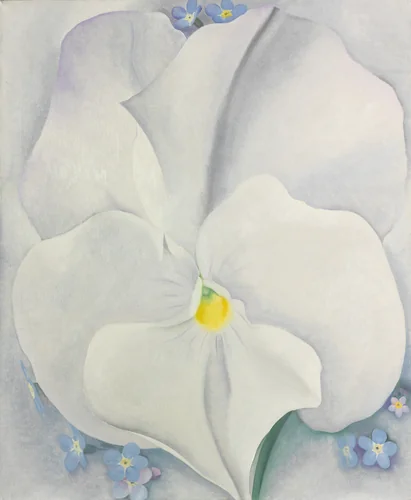
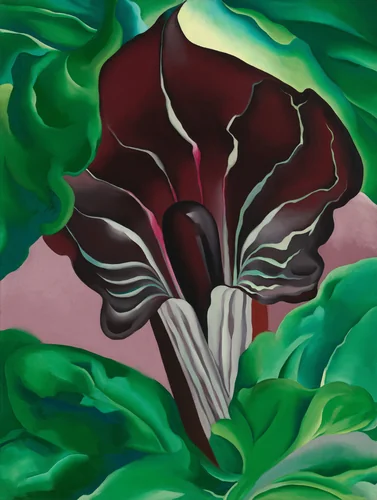
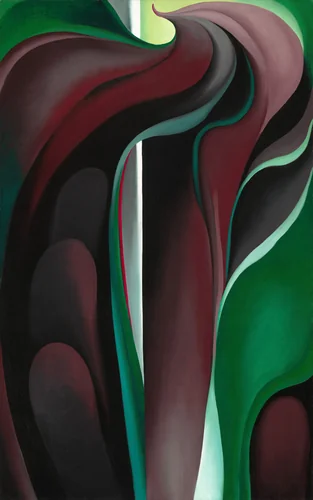
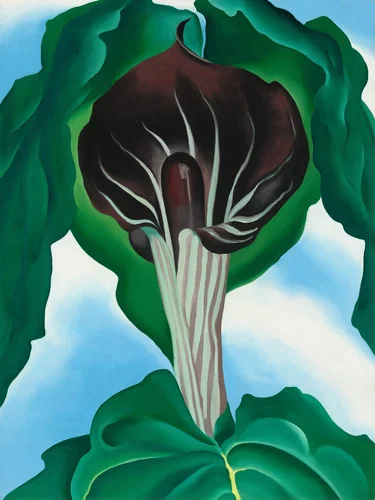
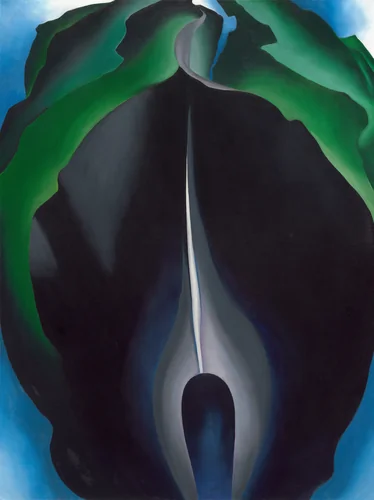
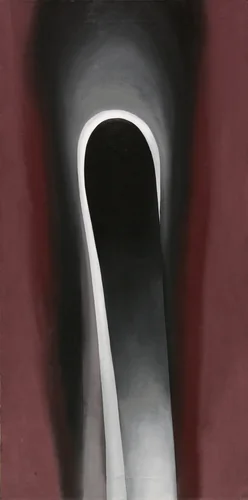
O'Keeffe's early work established her mastery as both a draftswoman and painter. Her most famous innovation involved the radical, large-scale cropping of botanical subjects. By pulling the viewer into the core of a bloom, as exemplified in works related to No. 12 Special or Special No. 39, she transformed delicate natural forms into monumental studies of color, line, and abstract composition. While these magnified floral paintings often garnered psychological interpretations from critics, O'Keeffe maintained that her primary intent was to force the urban viewer to truly see the complex beauty found in the ephemeral.
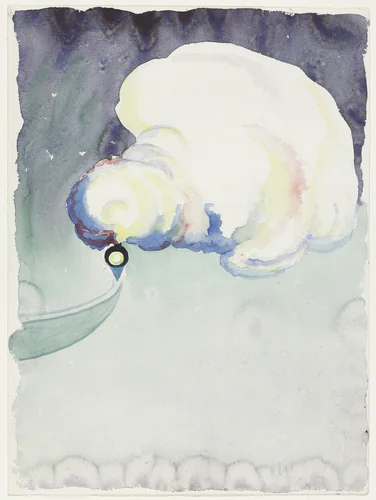
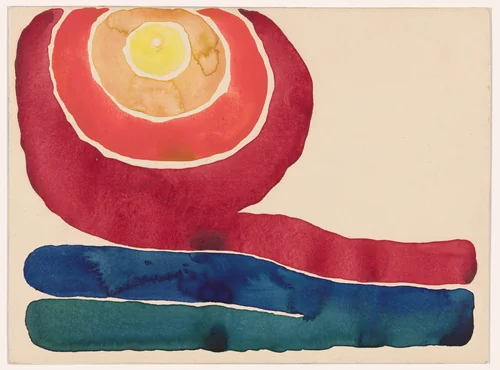
Following her move to the American Southwest, O'Keeffe expanded her focus, finding the same potential for abstraction in the austerity of the desert landscape. Her explorations of bone structures, simplified adobe architecture, and the vast, empty sky, seen in pieces like Evening Star No. III and Train at Night in the Desert, solidified her reputation. She connected her personal environment directly to her subject matter, creating works that spoke to the region’s distinct light and solitude.
The artist’s dedication to her vision was extraordinary; her oeuvre demonstrates profound consistency across the decades. O’Keeffe sustained her core principles from the ferment of the 1910s straight through to the mid-1980s, a remarkable feat of artistic conviction. Today, her Georgia O'Keeffe paintings and drawings are central holdings at institutions like the Museum of Modern Art and the National Gallery of Art. The continuous demand for high-quality prints and museum-quality analyses ensures that her pioneering work remains highly influential in contemporary discussions about abstraction and modern American identity.
Source: Wikipedia · CC BY-SA 4.0