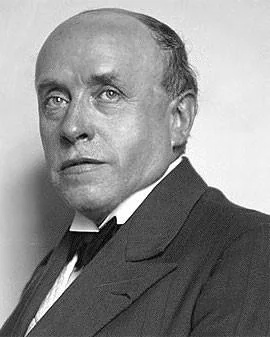
Georges Rouault
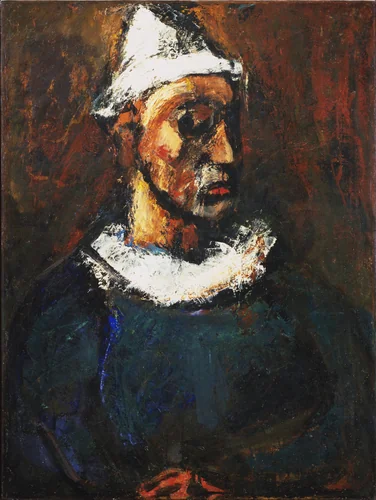
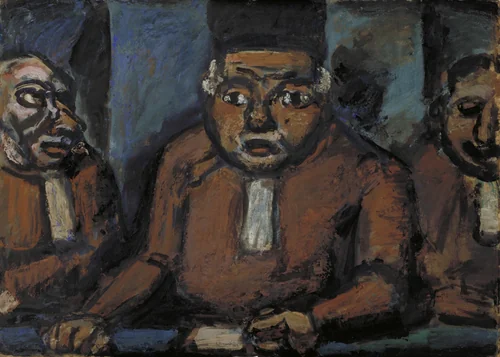
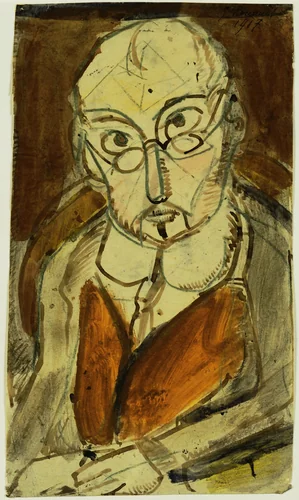
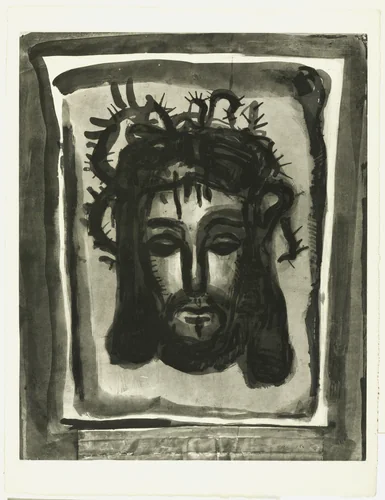
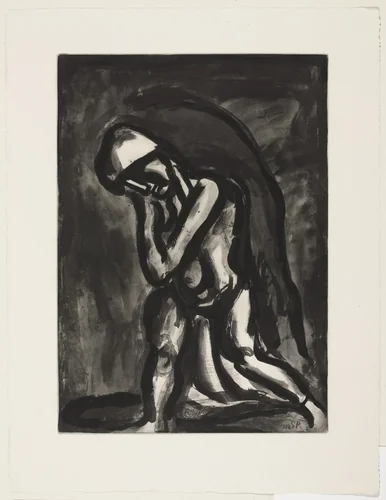
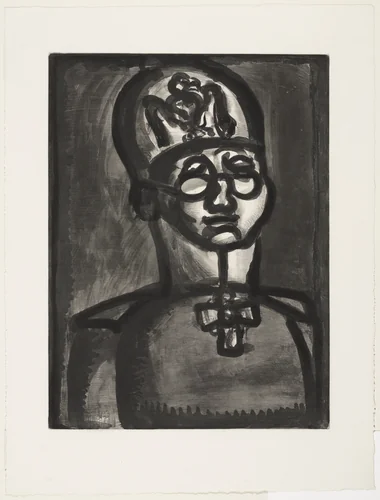
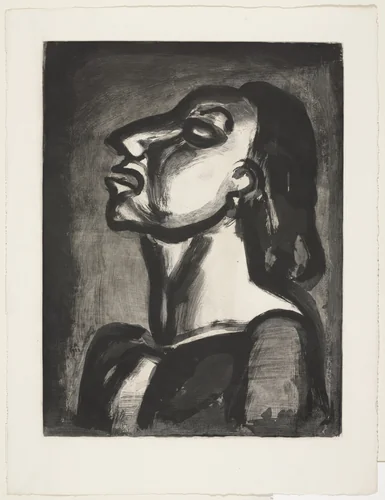
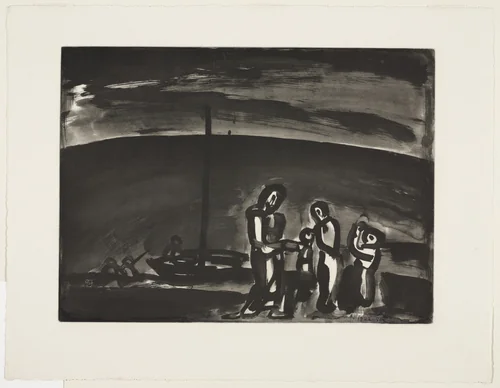
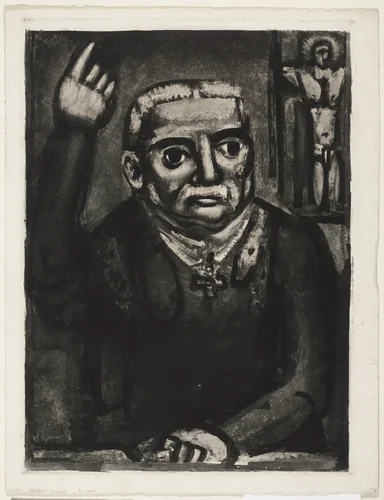
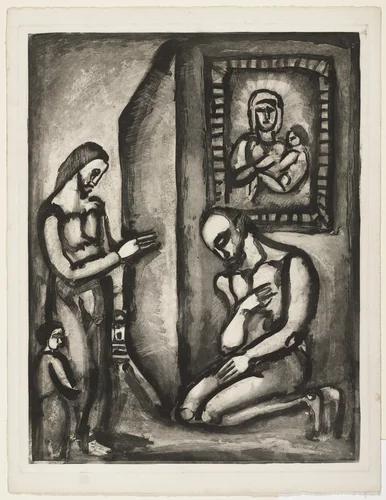
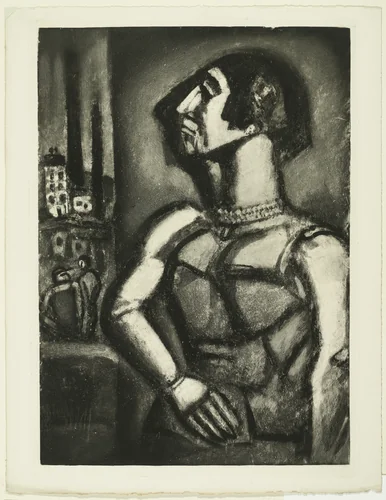
Georges-Henri Rouault (1871-1958) was a singular figure in early 20th-century French art, operating prolifically across painting, draughtsmanship, and printmaking. His output successfully merged the emotional urgency of German Expressionism with the structural simplicity and intense color associated with the Fauvism of his contemporaries. Rouault’s distinctive vision was characterized by a potent spiritual conviction and a profound commitment to the human figure, rendered through heavy, dark contours that gave his canvases the visceral quality of illuminated stained glass.
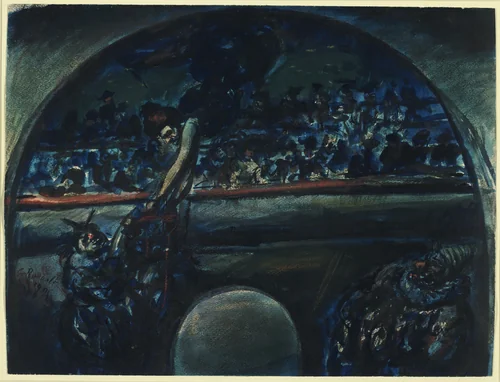
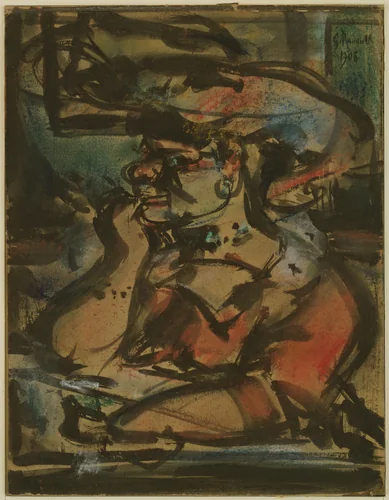
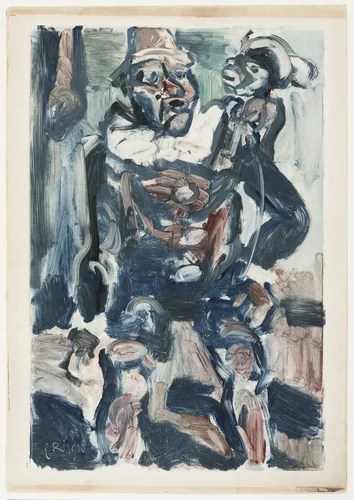
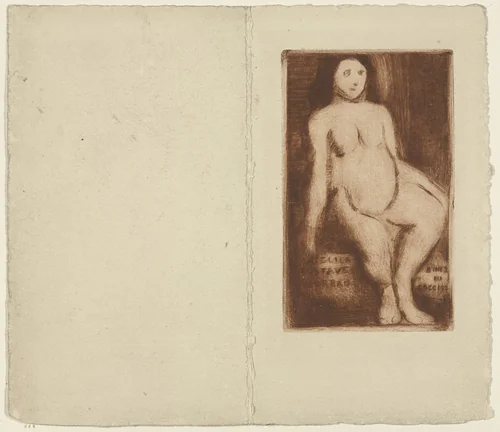
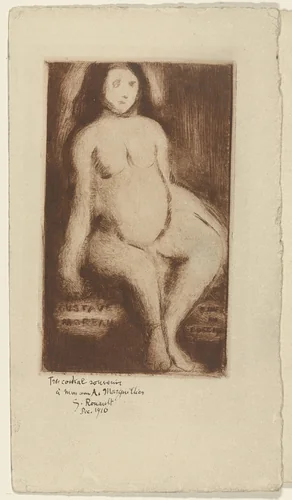
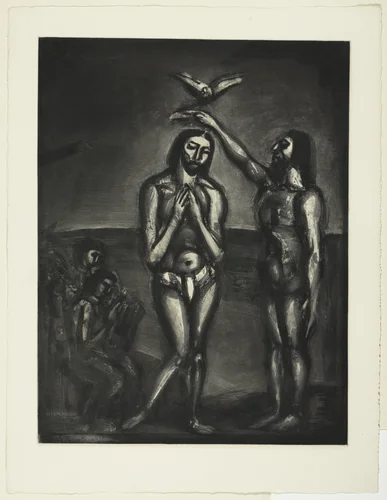
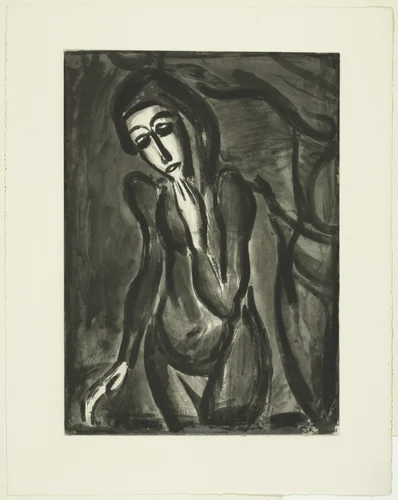
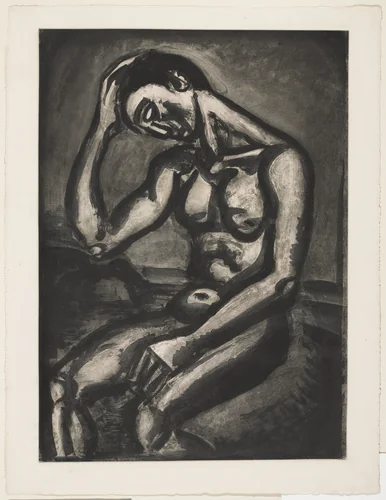
Rouault’s most concentrated period of activity, spanning roughly 1905 to 1922, saw him explore an iconographic repertoire rooted in social critique and compassion. He was profoundly drawn to society’s outliers, utilizing subjects such as the vulnerable clown, the hardened prostitute, and the beleaguered figure of Christ to explore themes of despair and redemption. Works like Circus Act and Woman at a Table (The Procuress) are defined by this blend of pathos and pigment, featuring densely layered impasto contained by forceful, leaden outlines. His figures, including the monumental studies captured in his several versions of Seated Nude, are less about individual identity and more about the collective weight of human suffering.
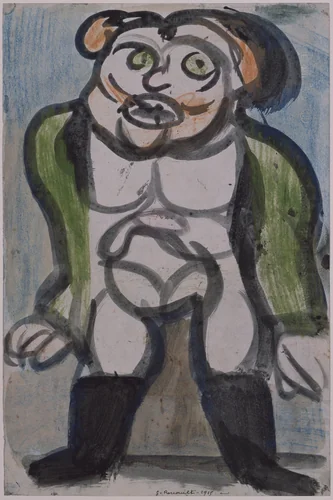
While recognized for his powerful Georges Rouault paintings, his contributions to the graphic arts are equally essential to his legacy. This period produced five significant drawings and three key prints, demonstrating his exacting standards across various media. Furthermore, he created six illustrated books, confirming his status as a major printmaker skilled in etching and lithography. His technical mastery ensured that the resulting works, particularly the limited edition graphic series, became essential acquisitions for institutional collections globally. Today, the enduring artistry of his compositions means that many important Georges Rouault prints are held in prestigious collections, including the Museum of Modern Art, and are available internationally as high-quality prints for scholarly study.
Rouault maintained an unusually fierce custodial control over his own output, famously destroying hundreds of canvases later in his career. This rigorous self-editing ensured that the remaining oeuvre is exceptionally focused and intense. He provided a solemn, yet deeply luminous, commentary on the modern condition, successfully applying avant-garde visual language to timeless narratives of faith and mortality, cementing his reputation as one of the century’s most emotionally resonant draughtsmen.
Source: Wikipedia · CC BY-SA 4.0