Georges-Pierre Seurat
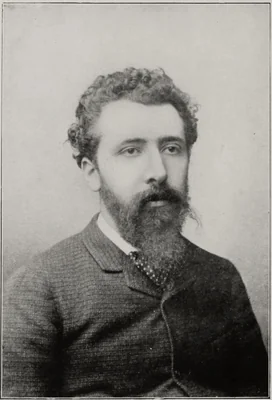
Georges-Pierre Seurat (1859-1891) stands as a foundational figure in Post-Impressionism, despite his remarkably concise career, which spanned just over a decade from 1879 to his premature death. Dissatisfied with the subjective spontaneity and fleeting effects of Impressionism, Seurat sought a method rooted in objective scientific theory, specifically the optical perception of color. His intensive investigation led directly to the formalized technique known as chromoluminarism, better recognized today as Pointillism.
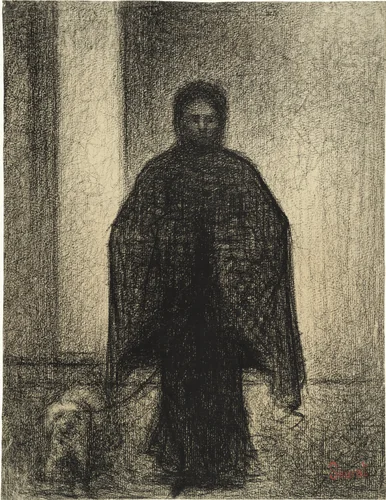
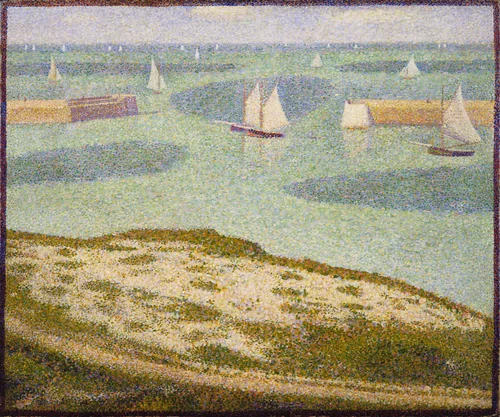
This innovation involved the meticulous application of small, distinct strokes of pure color, allowing the viewer's eye, rather than the artist’s palette, to perform the optical mixing necessary to perceive luminosity and hue. The goal was to imbue painting with the stability and endurance found in classical art, replacing the momentary glance with a studied, enduring structure. The compositional rigor evident in his major works, including detailed studies like Woman with a Dog and complex interiors like At the Concert Européen, testifies to this systematic vision.
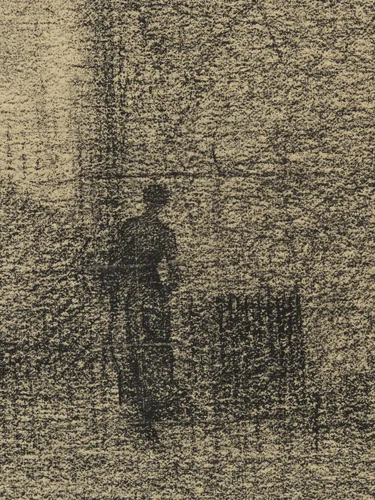
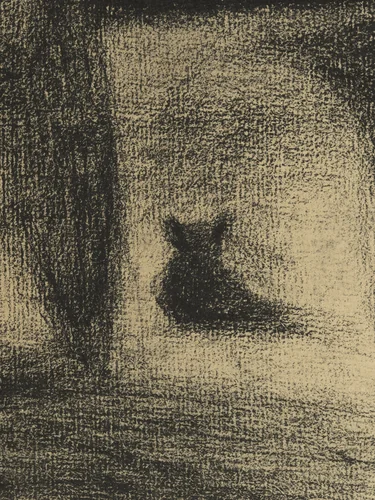
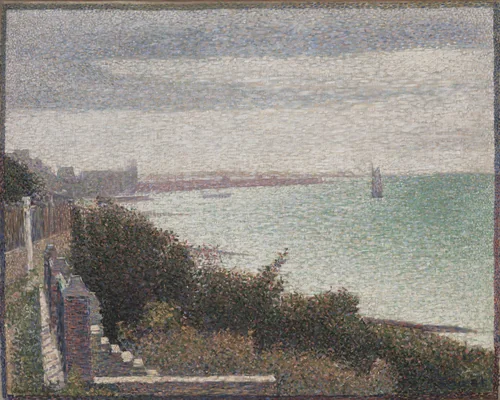
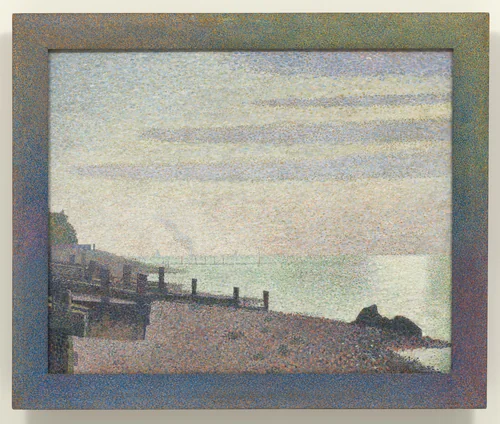
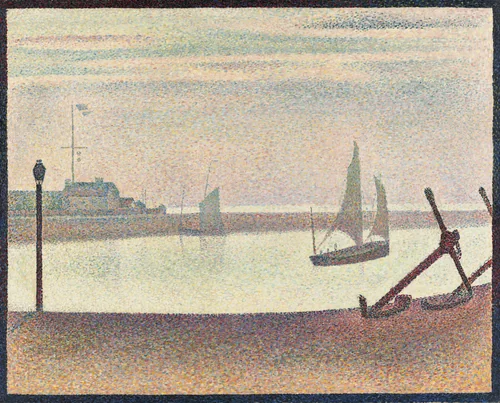
The works of Georges-Pierre Seurat paintings, such as the luminous seascapes like Grandcamp, Evening, showcase this controlled methodology. Yet, his technical commitment extended equally to his drawings. For his graphic output, Seurat utilized conté crayon on paper with a coarse, textured surface, creating effects of deep, velvety darkness and shimmering light. While his paintings often feel coolly analytical, these drawings possess a surprising emotional warmth, suggesting the hidden poetry beneath his scientific rigor.
Seurat’s methodology profoundly influenced his contemporaries and subsequent generations, formalizing the experimental phase of the 1880s and paving the way for later modernist movements. Though many of his key works reside in major institutions like the Museum of Modern Art, his influence remains widespread. Today, the detailed Georges-Pierre Seurat prints and foundational studies are widely accessible; as significant works enter the public domain, art enthusiasts can easily obtain high-quality prints and downloadable artwork, ensuring the precision inherent in his short but monumental output continues to inspire.
Source: Wikipedia · CC BY-SA 4.0