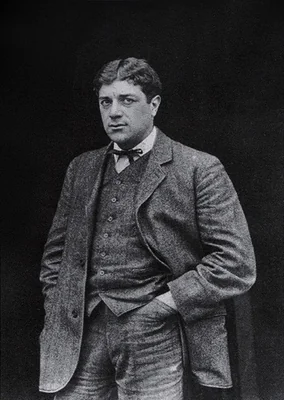
Georges Braque
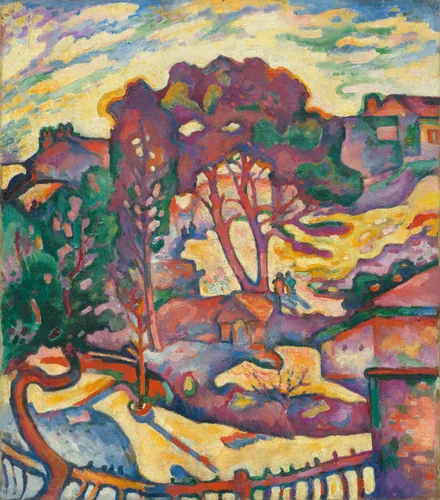
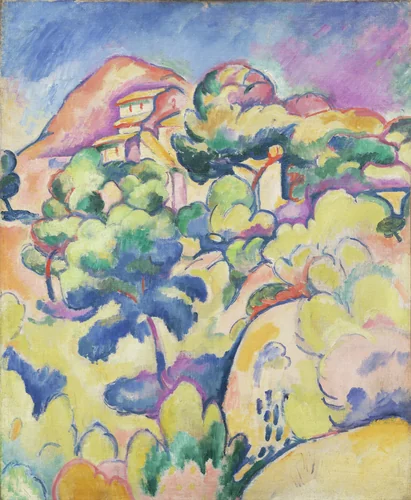
Georges Braque (1882-1963) stands as one of the most consequential French modernists, distinguished equally across painting, collage, printmaking, and sculpture. His early career began with a vigorous, albeit brief, engagement with Fauvism around 1905, marked by intense, non-naturalistic color palettes seen in works such as Landscape at La Ciotat. This exploration of color soon yielded to a more profound undertaking: the co-founding of Cubism, the single greatest revolution in early 20th-century art.
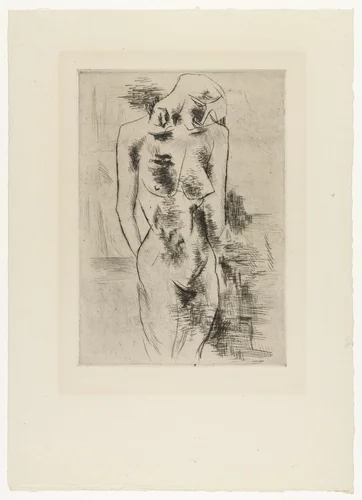
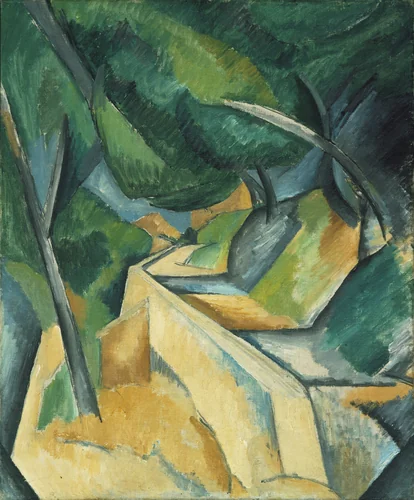
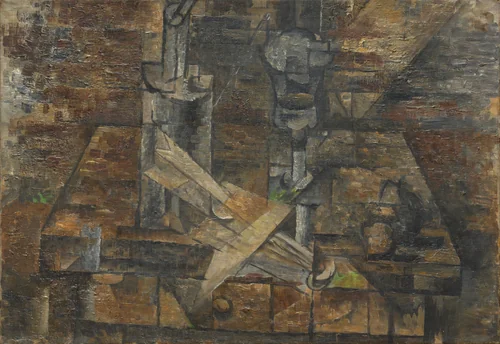
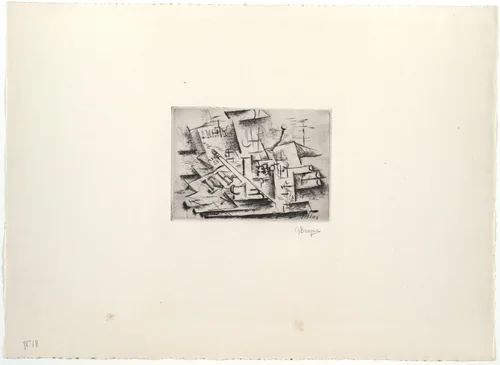
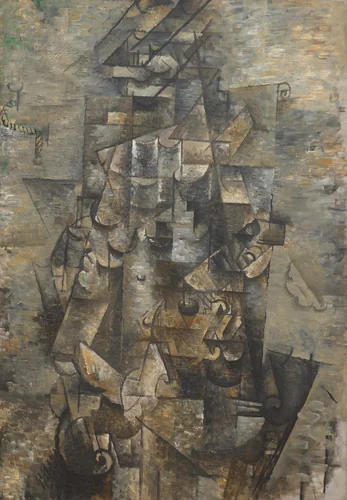
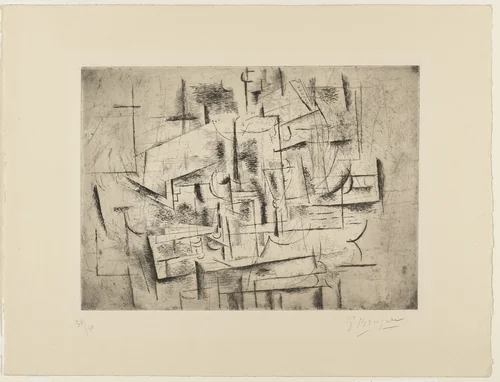
From 1908 onward, Braque entered into one of art history’s most profound working dialogues with Pablo Picasso. Working in close proximity, particularly between 1908 and 1912, the pair fundamentally dismantled existing Western pictorial conventions. They rejected traditional perspective, employing fractured planes and highly controlled, earthy tones to represent multiple viewpoints simultaneously. Early foundational studies like Study of a Nude (Etude de nu) demonstrate the rapid evolution toward Analytic Cubism. During this intense phase, their respective Georges Braque paintings became so conceptually and stylistically entwined that detailed analysis is often required to distinguish their output.
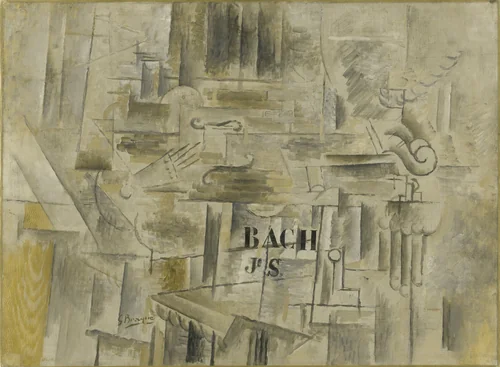
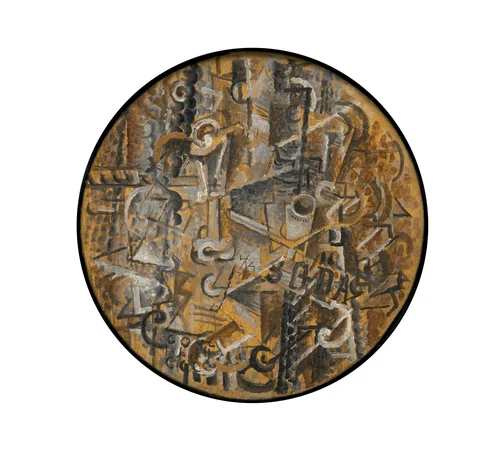
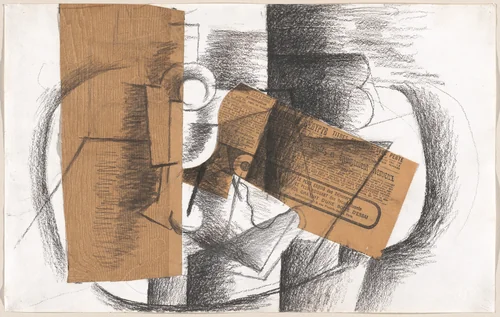
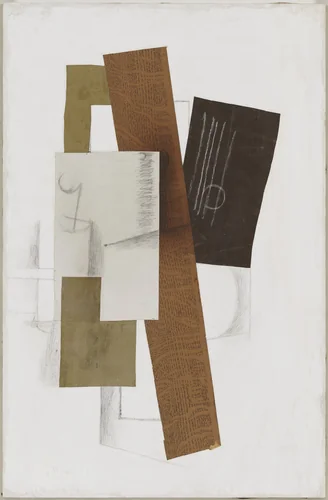
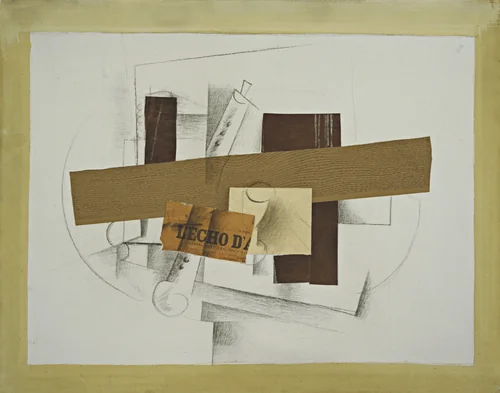
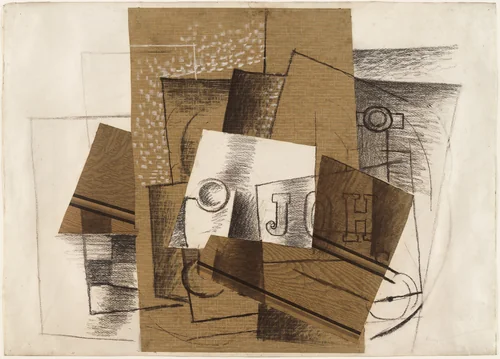
Beyond the initial investigation of form, Braque was instrumental in the subsequent development of Cubism, notably by pioneering the technique of papiers collés (pasted paper) in 1912. This innovation provided a necessary shift away from the dense abstraction of the analytic phase, introducing new textures, lettering, and literal references to material reality. Yet, despite his pivotal, architectural role in creating the visual language of modernism, the measured, quiet nature of Braque meant his contributions were sometimes subtly eclipsed by the immense fame and notoriety of his colleague, Picasso. It remains an interesting historical footnote that the revolution's quieter genius often remained satisfied with his foundational work, rather than pursuing the accompanying spotlight.
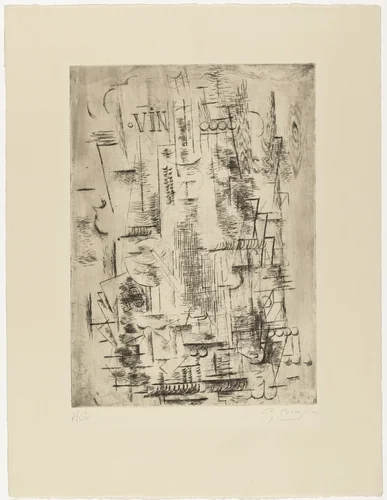
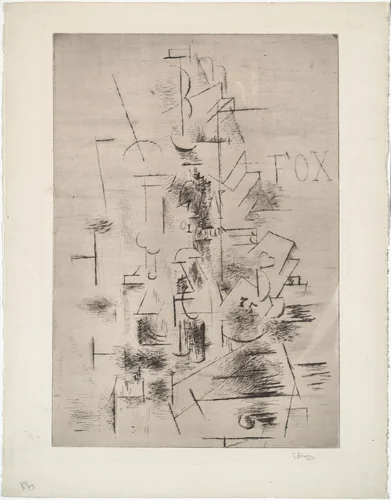
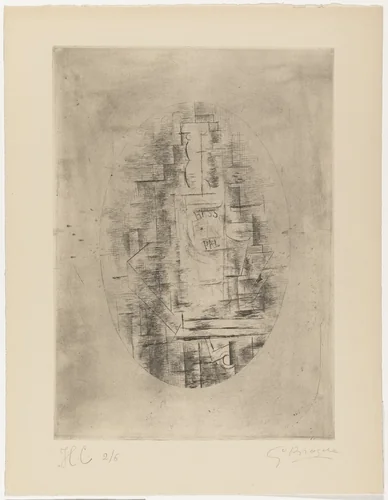
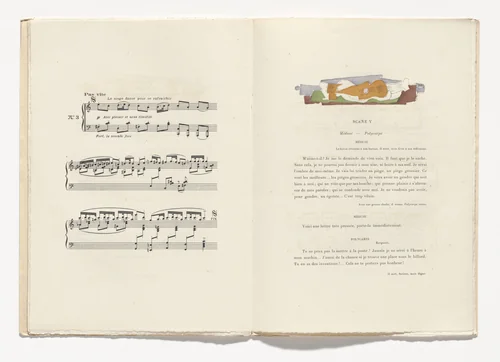
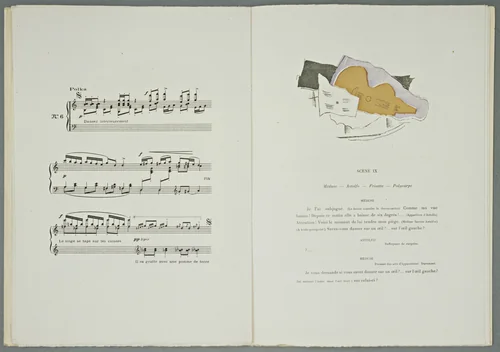
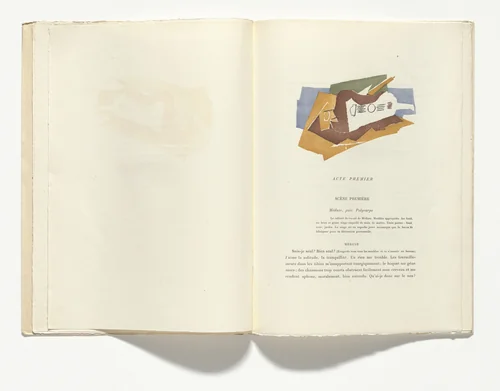
Braque’s commitment to visual invention continued throughout his long career, cementing his status as a key figure whose works are held in major institutions worldwide, including the Museum of Modern Art. His artistic achievements offer enduring value; today, many of his drawings and Georges Braque prints, often available as downloadable artwork, allow institutions and enthusiasts to access museum-quality reproductions for educational and scholarly purposes.
Source: Wikipedia · CC BY-SA 4.0