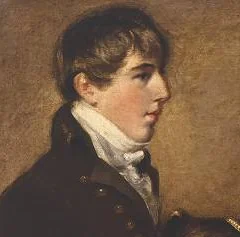
George Wilson Bridges
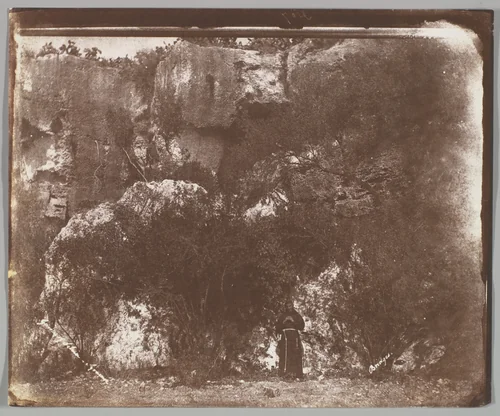
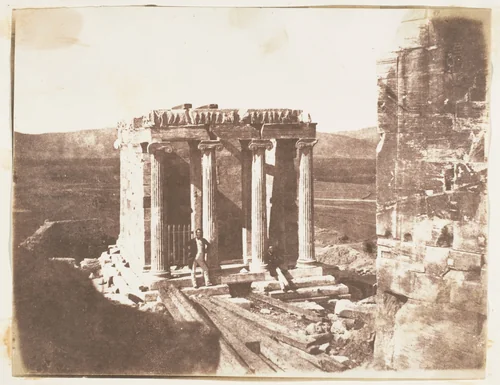
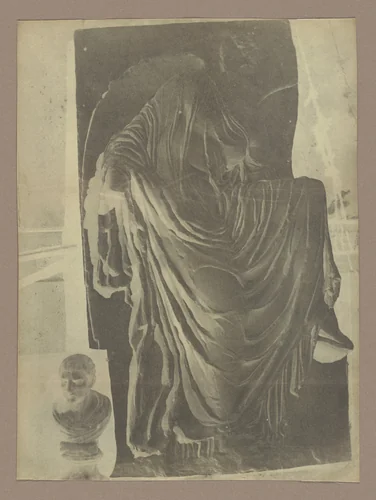
George Wilson Bridges (1788-1865) holds a unique place among the earliest practitioners of photography, transitioning from a controversial clerical and literary career to pioneering documentation across the Mediterranean during the 1840s. Active primarily between 1840 and 1851, Bridges produced a significant corpus of early negatives, establishing his importance in the visual history of classical and ancient sites. His surviving works, which include ten extant photographs of remarkable clarity and detail, are housed in major institutional collections, such as the Metropolitan Museum of Art, the National Gallery of Art, and the Cleveland Museum of Art.
Prior to his photographic endeavors, Bridges led a tumultuous life as an Anglican cleric. After eloping with his wife, he held rectorships in Jamaica, serving the parishes of St Dorothy, Manchester, and St Ann between 1817 and 1837. He was also a prolific writer, known for his published opposition to William Wilberforce and for a book that resulted in his London publisher being found guilty of libel. It is perhaps this ingrained penchant for robust, if sometimes disruptive, documentation that characterized his later years.
Following the departure of his wife and the tragedy of losing four daughters in a boating accident, Bridges returned to England from Canada and encountered William Fox Talbot, the inventor of the positive/negative photographic process. This meeting catalyzed a dramatic career shift. Bridges dedicated himself to the nascent art form, embarking on an ambitious photographic tour that spanned Egypt, Greece, the Holy Land, and Italy. This journey yielded an astonishing 1,700 negatives, documenting scenes including Mount Etna during an eruption, making him one of the most prolific photographers of the early 1840s.
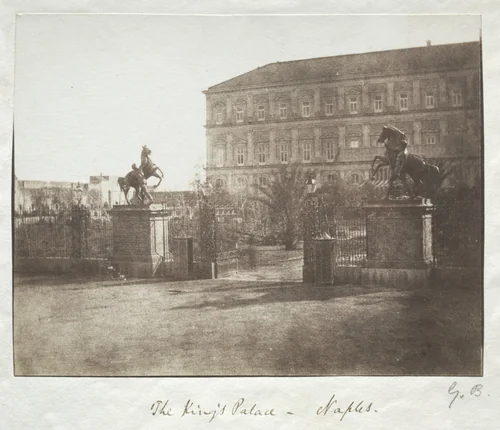
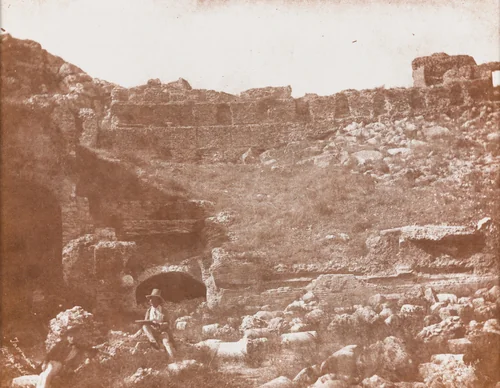
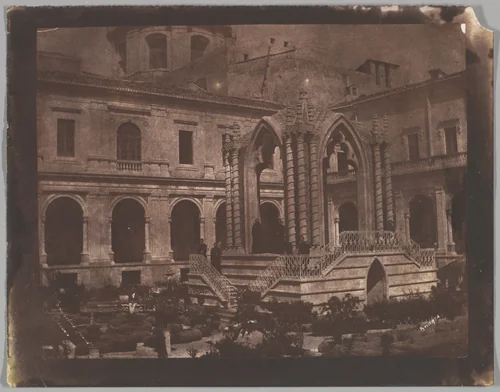
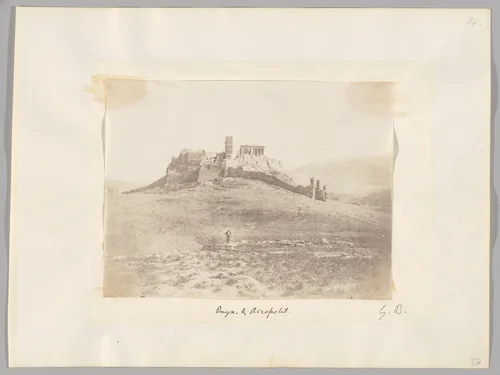
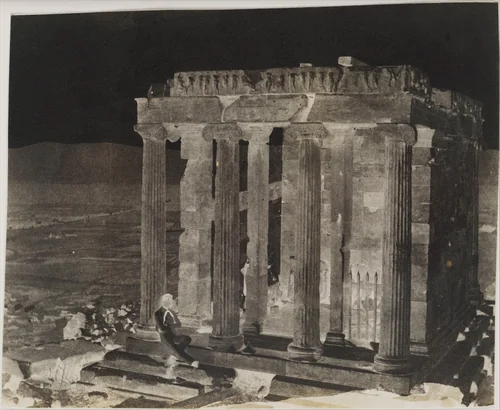
Bridges’s camera was consistently trained on architectural history and classical geography, capturing enduring views such as The King’s Palace, Naples, and the powerful geometry of the Pnyx and Acroplis. These early photographic documents provide invaluable insight into the condition of these sites before later restorations. The technical quality achieved in works like Amphitheatre at Taormina and Benedictine Convent, Catania demonstrates an impressive mastery for the period. Today, these seminal images are often available as downloadable artwork through public domain initiatives, ensuring their accessibility for study and appreciation worldwide, complementing the original museum-quality acquisitions. Bridges concluded his career serving in a parish in Gloucestershire, having secured his legacy not through his sermons, but through the objective vision of his lens.
Source: Wikipedia · CC BY-SA 4.0
![[Colosseum, Rome] by George Wilson Bridges, photograph, 1850-1859](https://img.artbee.org/97328ab9-3810-40d4-a137-8cd3925e4db9/small.webp)
![[The Photographer before his Tent on the Site of the Pyramid of Khafre (Chephren)] by George Wilson Bridges, photograph, 1851](https://img.artbee.org/b67c8d3f-5d79-45bd-8363-83b48b3cc026/small.webp)