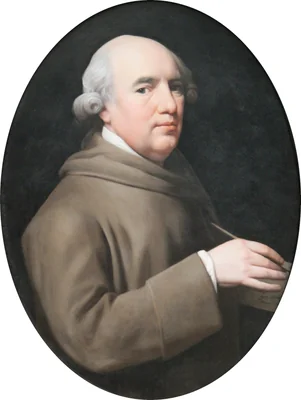
George Stubbs
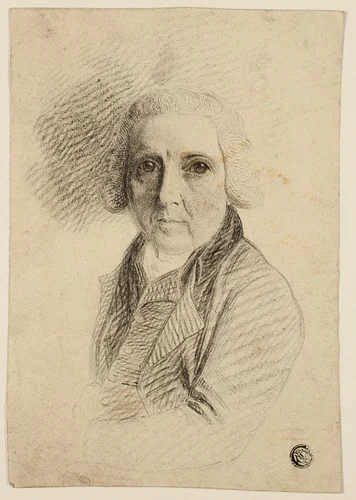
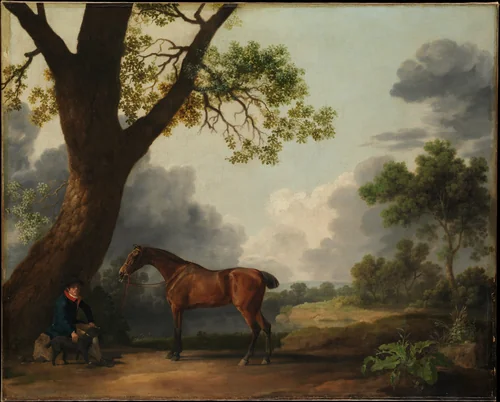
George Stubbs (1724-1806) occupies a unique and significant position within 18th-century British painting, establishing himself as the era's unparalleled master of equine and animal portraiture. Unlike contemporaries who studied in established academies, such as Joshua Reynolds and Thomas Gainsborough, Stubbs was essentially self-trained, an independent path that led him to innovations rooted in scientific observation.
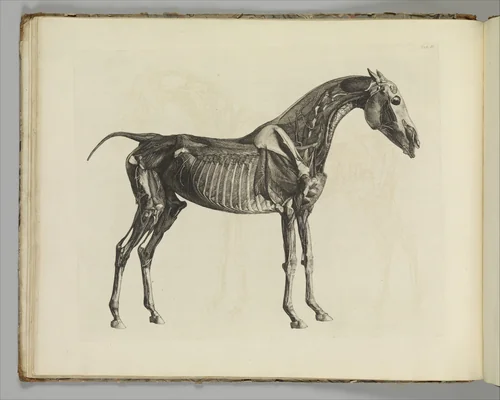
His meticulous study of animal anatomy was legendary, a grueling process undertaken over years that culminated in the 1766 publication of The Anatomy of the Horse, including a particular description of the bones, cartilages, muscles, fascias, ligaments, nerves, arteries, veins, and glands. This monumental volume, featuring detailed etchings, was not merely an artistic reference but a serious scientific treatise. This anatomical foundation afforded his finished canvases a level of accuracy and dynamic realism unmatched in the era, setting the standard for all subsequent animal painters. The sheer physical dedication required to produce this work, which reportedly involved the isolation and dissection of entire carcasses, gives his oeuvre a technical authority few traditional painters possessed.
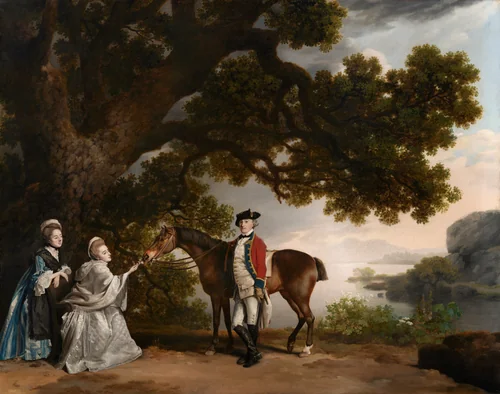
The demand for his services by landed gentry and aristocratic patrons, including figures like Josiah Wedgewood, cemented his financial and artistic success, frequently garnering royal patronage. His celebrated pieces, such as the dramatic Whistlejacket and the stately double-portrait Captain Samuel Sharpe Pocklington with His Wife, Pleasance, and possibly His Sister, Frances, demonstrate his ability to combine high-quality animal rendering with sensitive human portraiture.
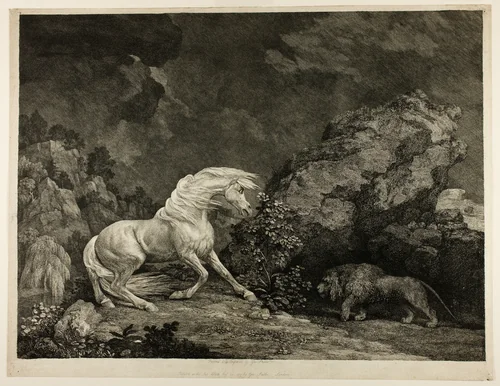
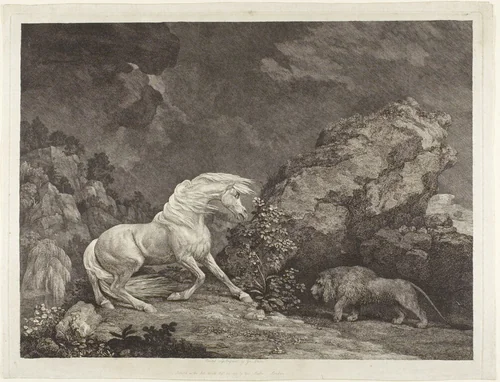
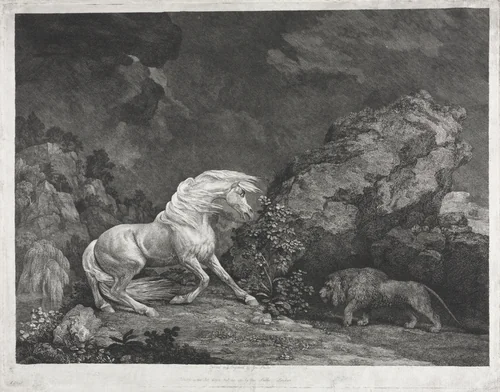
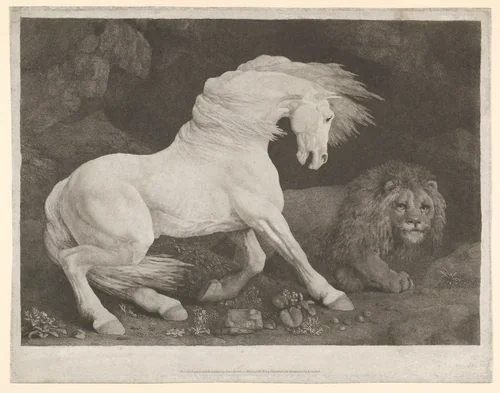
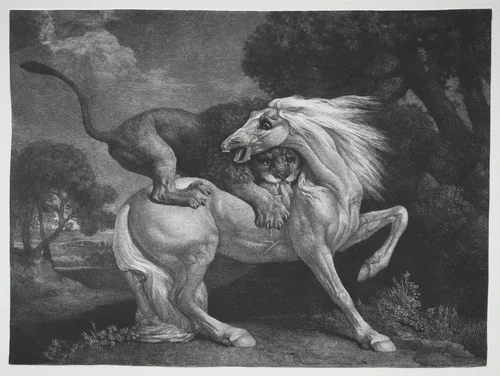
Yet, it is the profound psychological tension of works like A Horse Affrighted by a Lion that reveal Stubbs’s full range. This recurring motif of vulnerability and primal power, where natural drama replaces classical composure, marks Stubbs as an early and pivotal figure in the burgeoning Romantic movement of the late 18th century.
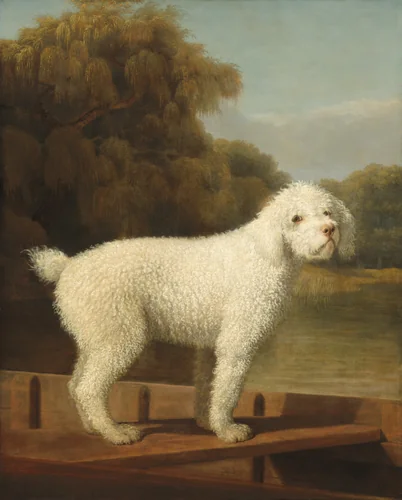
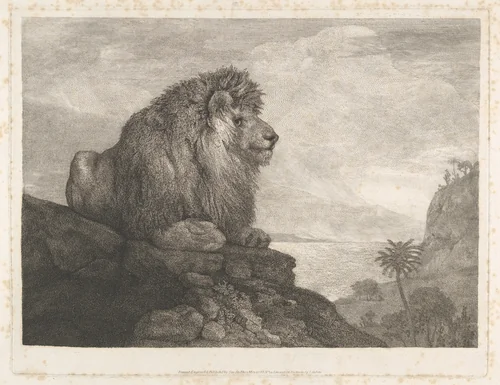
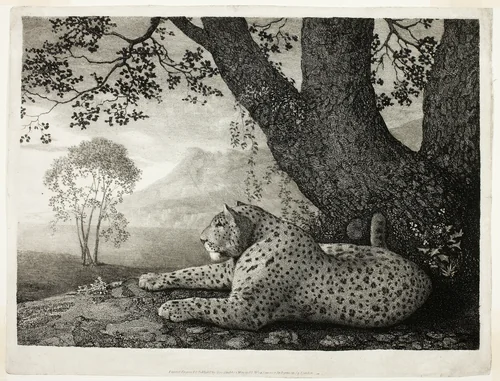
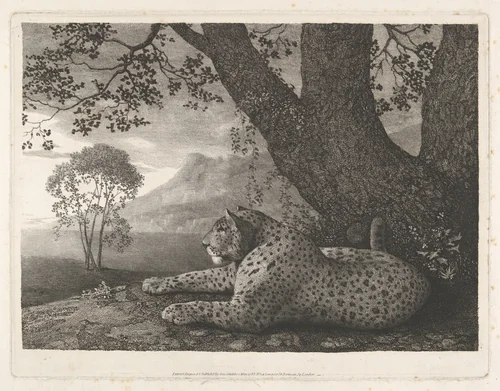
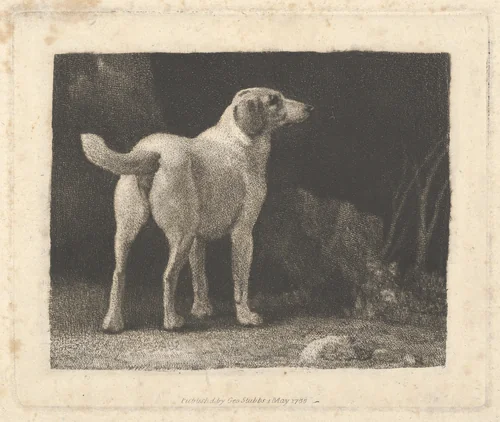
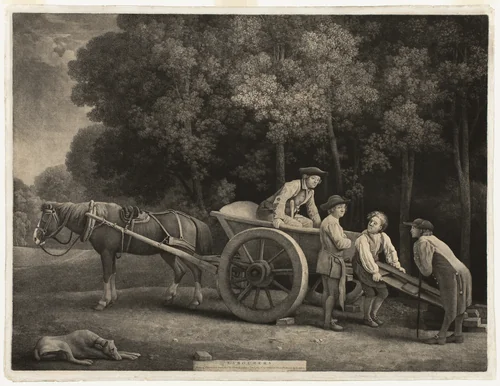
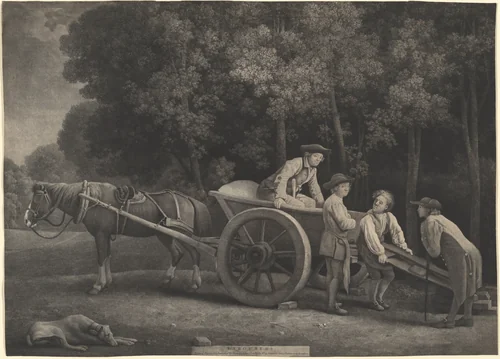
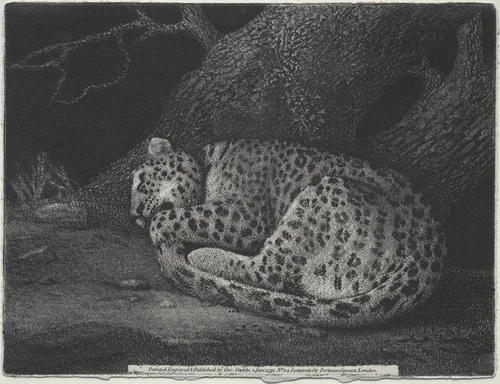
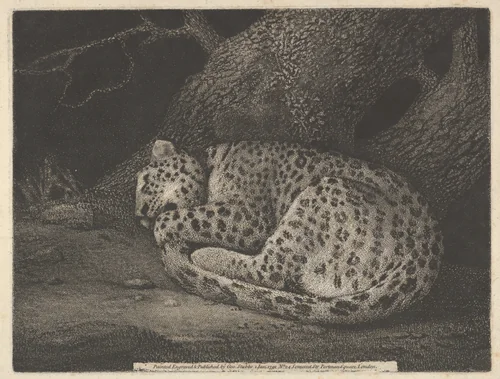
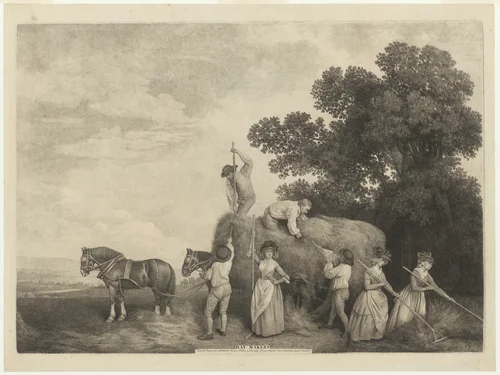
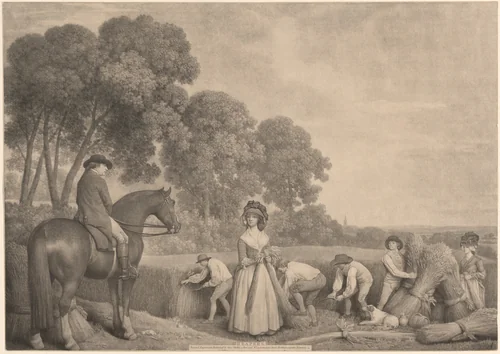
Stubbs’s obsessive commitment extended to his printmaking, and he frequently experimented with techniques like mezzotint and enamel painting. His works are held in major institutions globally, including the Metropolitan Museum of Art and the Art Institute of Chicago. Fortunately, many of his preparatory studies and George Stubbs prints are now in the public domain and available as high-quality prints, allowing modern viewers to appreciate the foundational genius that underpinned his celebrated paintings.
Source: Wikipedia · CC BY-SA 4.0