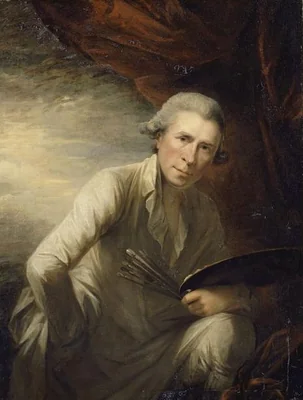
George Romney
George Romney (1734–1802) holds a distinct and essential position among the triumvirate of celebrated portrait painters defining the visual culture of late eighteenth-century England. Active largely between the 1770s and 1790s, Romney commanded an enormous commercial presence in London, operating alongside but largely independent of his principal rivals, Sir Joshua Reynolds and Thomas Gainsborough. His work moved beyond mere documentation of appearance, favoring a refined psychological intensity and an idealized treatment of the sitter. Today, examples of his masterful technique and expressive line work are held in prominent global collections, including the Metropolitan Museum of Art, the National Gallery of Art, and the Rijksmuseum.
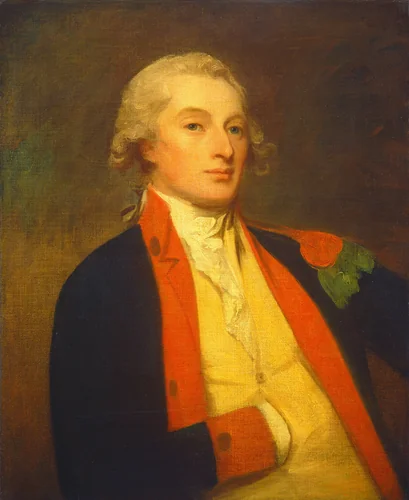
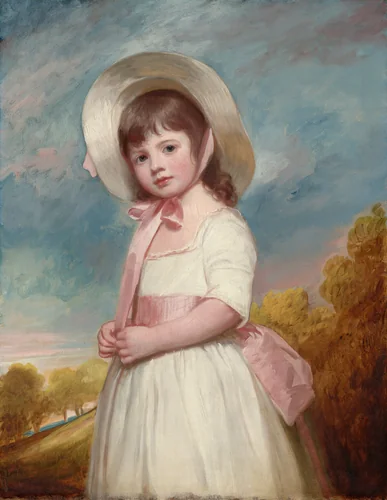
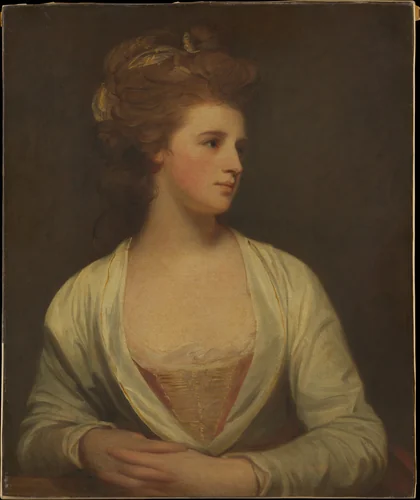
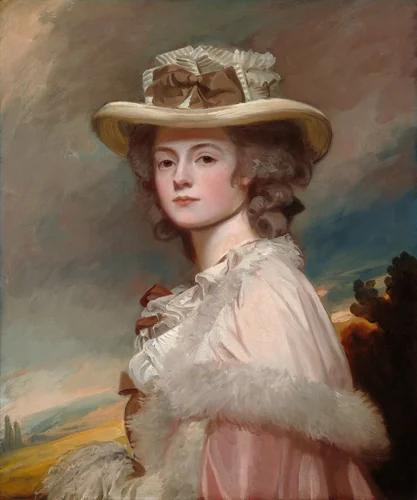
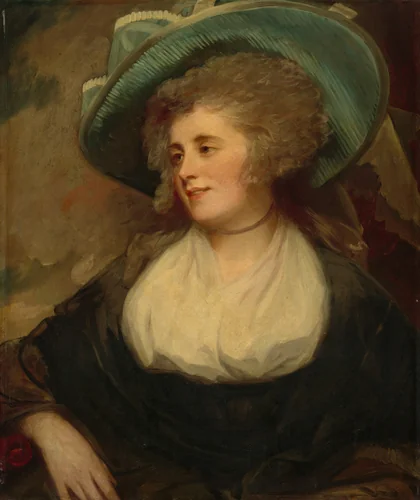
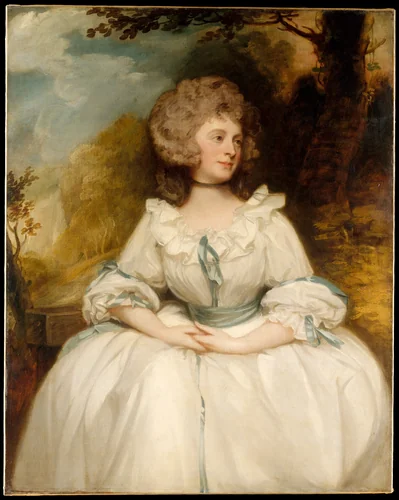
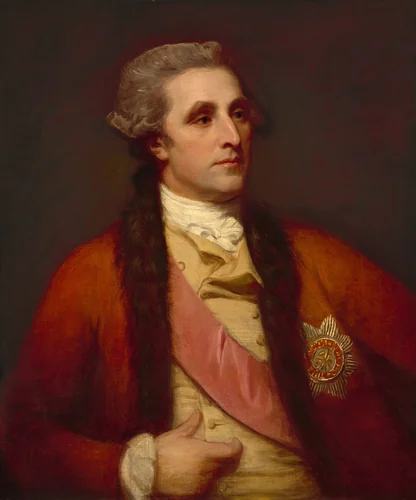
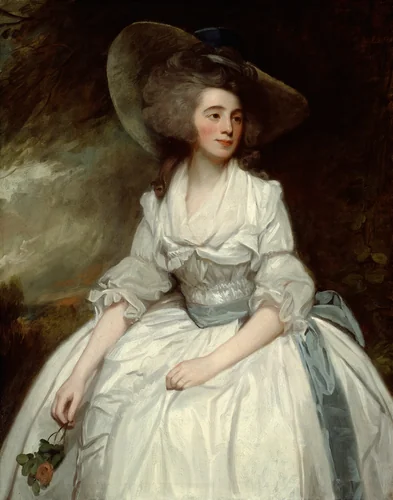
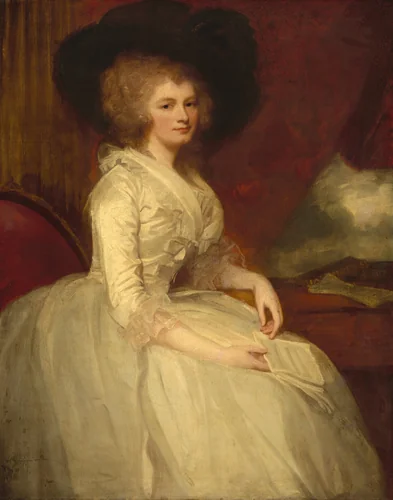
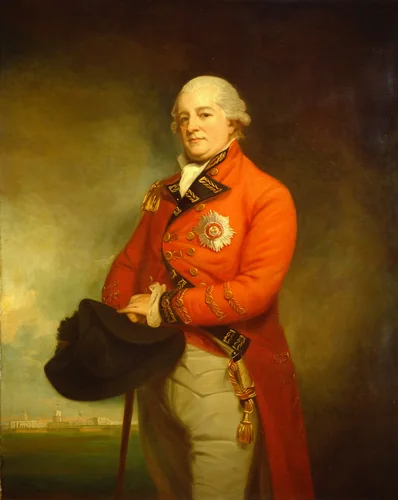
Romney’s technical signature is often characterized by its graceful simplicity and elegant composition, focusing the viewer’s attention acutely on the subject’s demeanor rather than on elaborate setting or symbolic detail. While he produced significant works representing male power and authority, such as the definitive portrait Admiral Sir Chaloner Ogle (1726–1816), he achieved his greatest fame through the depiction of female beauty. These portraits, rendered with a fluid, romantic touch, established standards of fashionable grace that permeated Georgian society.
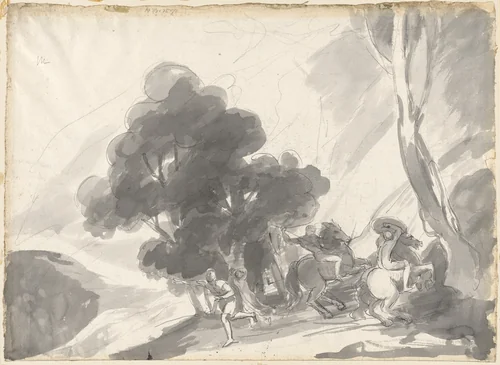
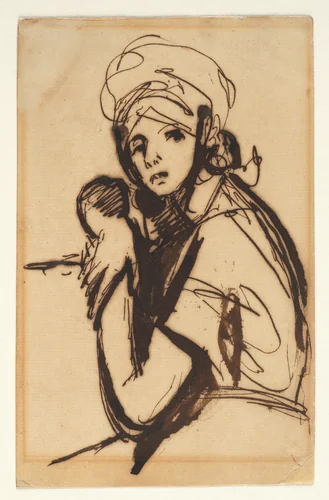
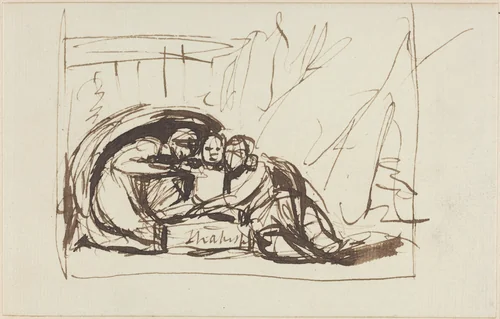
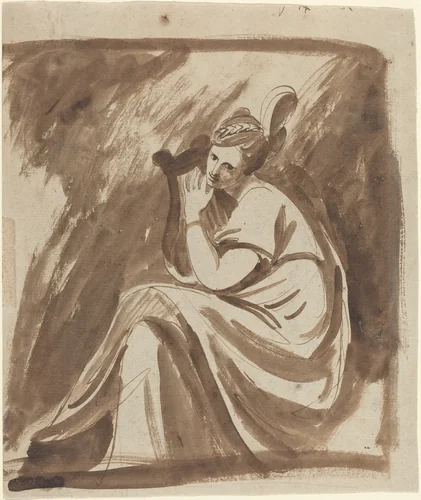
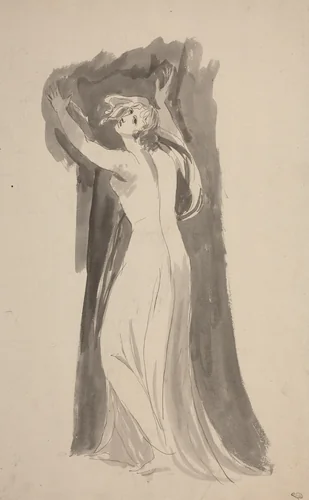
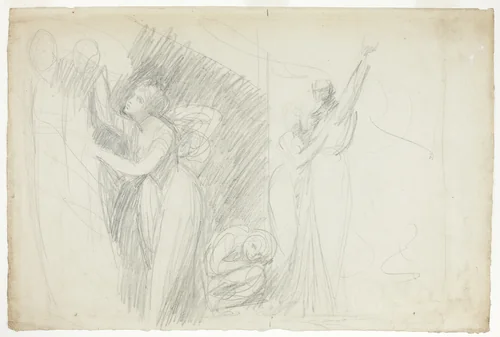
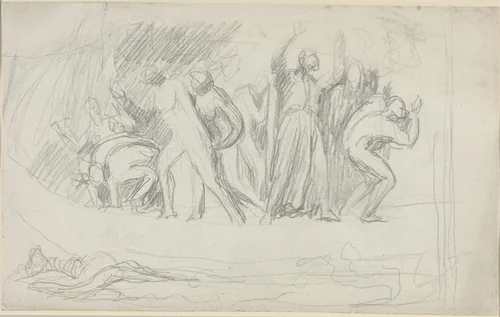
His surviving preparatory material provides compelling evidence of a prolific, energetic practice. Studies like Half-Length Profile Portrait of a Woman Facing Left demonstrate the speed and clarity of his observational drawings, while Een familie en figuren tijdens een rondedans captures movement and spontaneous human interaction rarely seen in the finished commissions of the era. The variety of media he engaged with is evident in the inclusion of technical notes, such as the schematic Plan of Placing Colors on a Palette (verso), preserved on the back of the study Lady Holding a Book (recto).
Interestingly, Romney maintained a profound independence, pointedly refusing official involvement with the Royal Academy despite his towering success. He preferred instead to let the unrelenting demand for his George Romney paintings serve as his credential. Owing to the sustained interest in the period and the widespread collection of his output, much of this substantial body of work is now available in the public domain, offering access to high-quality prints and downloadable artwork for scholars and enthusiasts worldwide.
Source: Wikipedia · CC BY-SA 4.0
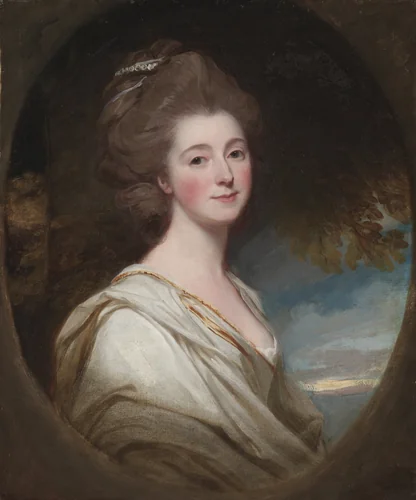
![An Elegant Lady in Classical Dress [recto] by George Romney, drawing, 1780-1790](https://img.artbee.org/6a3cb878-1ff5-4d4b-b3bc-c36bd911ecb8/small.webp)
![Figure Studies [verso] by George Romney, drawing, 1780-1790](https://img.artbee.org/1aa0d1a1-c998-4db0-b034-a48873c95665/small.webp)