George Peter Alexander Healy
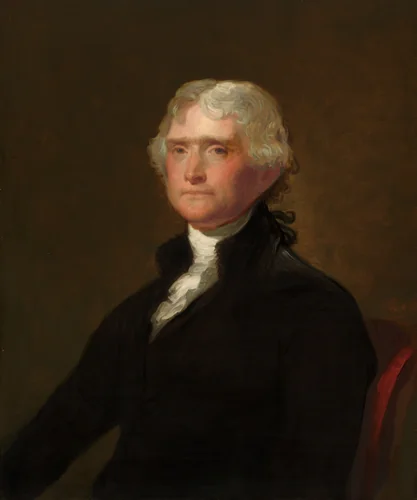
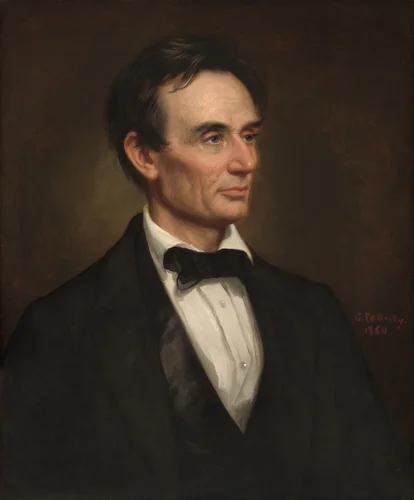
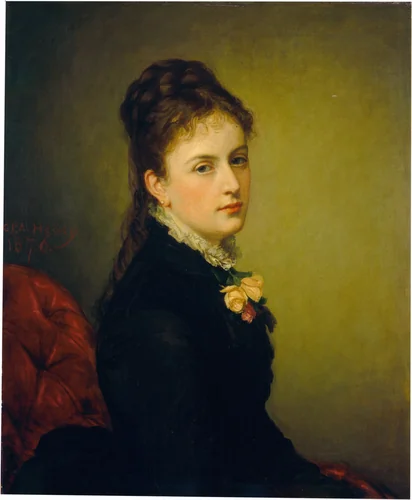
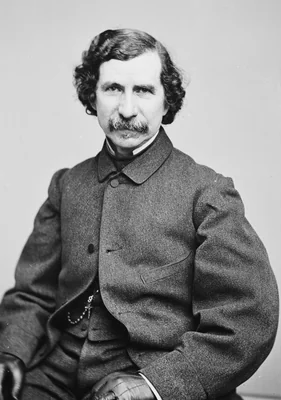
George Peter Alexander Healy (1813-1894) stands as a pivotal figure in 19th-century American portraiture, recognized for both the volume and the historical importance of his output. Healy was arguably the most popular and prolific painter of his day, securing commissions to document nearly every major political and cultural figure from his active period between the 1840s and the 1870s. These George Peter Alexander Healy paintings now function as essential visual documents, chronicling the transition and development of the American century through the faces of its leadership.
Born in Boston, Healy quickly established his talent, though he recognized the necessity of academic training. He pursued studies in Europe, establishing a sophisticated transatlantic professional life. For decades, he maintained major, highly successful studios simultaneously in both Paris and Chicago. This geographic duality is unique for an American artist of the period, suggesting a professional command equally effective in negotiating the stringent requirements of the Parisian elite and the rugged, rapidly expanding ambition of the American West. He was the painter of record for multiple generations of American governance; his list of sitters ranged from presidents and cabinet members to industrialists and European nobility, testifying not just to his technical skill but to his significant social mobility.
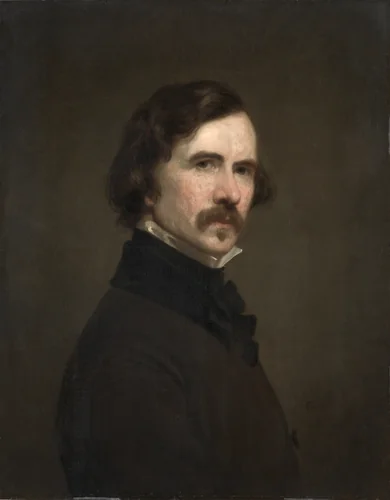
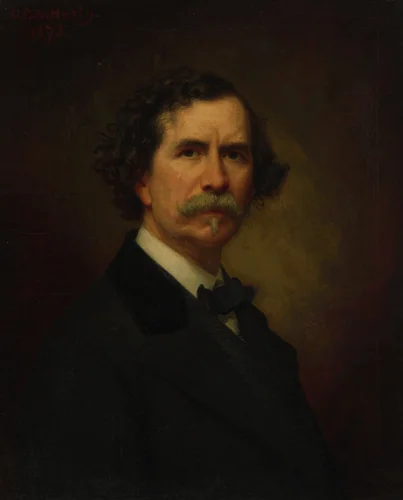
The current known database of his works, though small in comparison to his lifetime output of hundreds of portraits, includes definitive historical images such as the portraits of Thomas Jefferson and Abraham Lincoln, alongside intimate studies like his Self-Portrait and Roxana Atwater Wentworth. Today, his works are fundamental holdings in major institutions including the Art Institute of Chicago, the National Gallery of Art, and the Cleveland Museum of Art.
The enduring importance of these museum-quality portraits means that researchers and historians continually seek archival studies and reproductions. Due to their age and historical value, much of his significant output is now in the public domain, making high-quality prints and downloadable artwork widely accessible for study and appreciation. The clarity and directness of Healy’s vision continue to inform our historical understanding, confirming his status as the defining portraitist of the mid-nineteenth century.
Source: Wikipedia · CC BY-SA 4.0