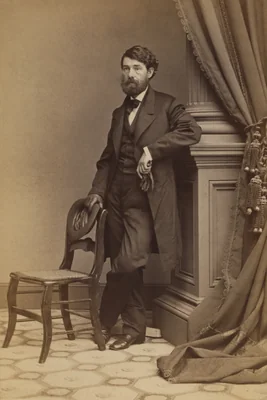
George N. Barnard
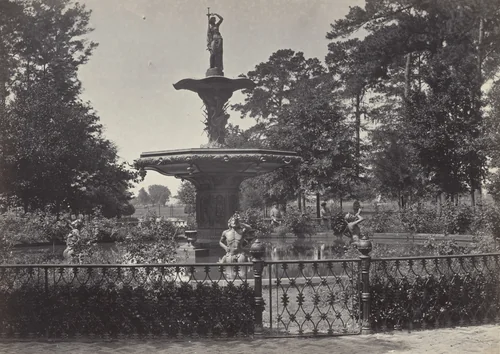
George Norman Barnard (1819–1902) stands as a foundational American photographer, his legacy secured by the immense visual record he created documenting the major theaters and physical aftermath of the American Civil War. Active from the mid-1840s, Barnard, often noted simply as G. N. Barnard, established a reputation initially for portraiture before transitioning to the demanding requirements of topographical and conflict photography.
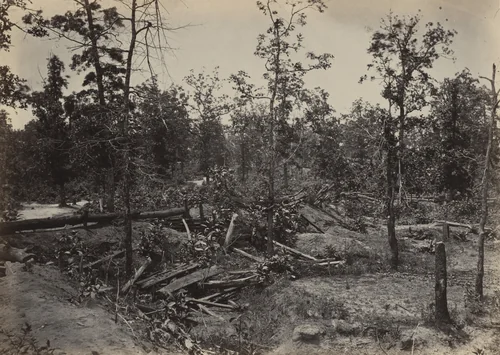
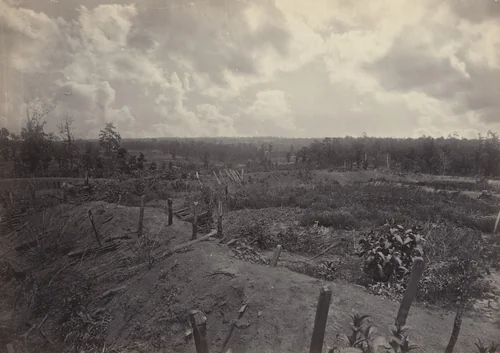
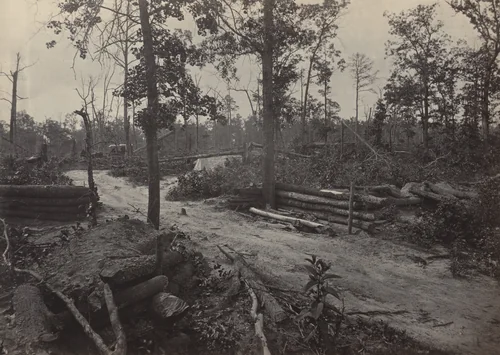
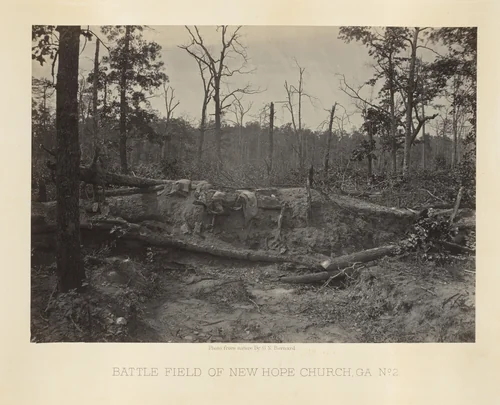
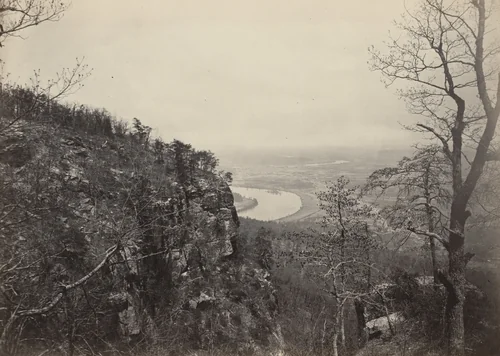
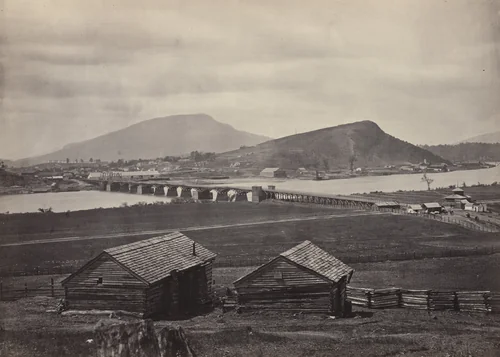
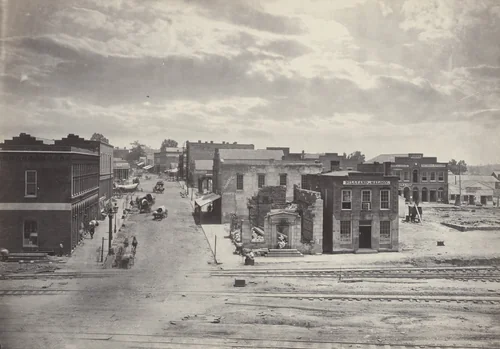
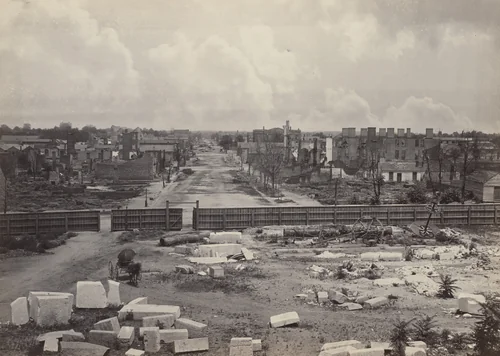
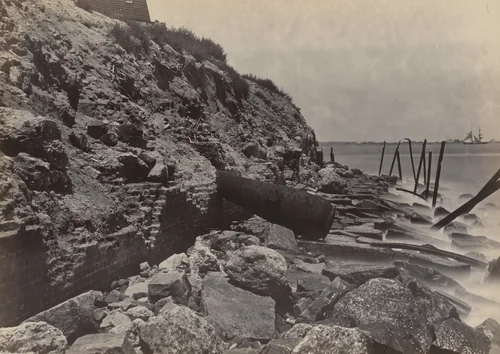
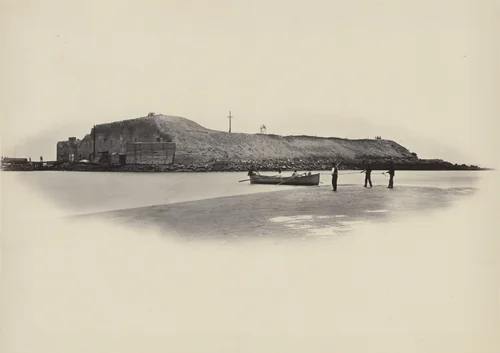
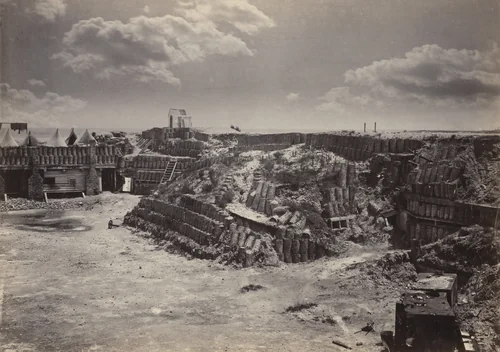
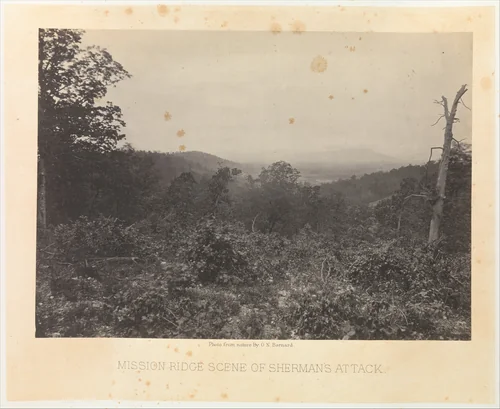
Barnard’s most celebrated work emerged from his pivotal role as the official photographer for General William T. Sherman's military campaigns through Georgia and the Carolinas. Working during a volatile period (1861–1865), he mastered the technical challenges of the large-format view camera and the arduous wet-plate collodion process. His resulting views shifted the focus from static portraiture to sweeping, desolate landscapes, documenting the military infrastructure, ruined cities, and altered terrain left in the wake of advancing armies. Considering the sheer bulk and fragility of the equipment required to produce a single image in the field, one might observe that Barnard truly earned every sweeping vista he captured.
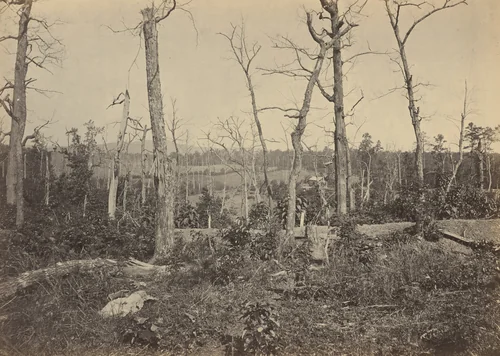
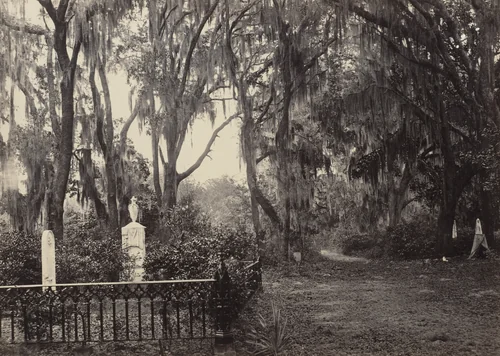
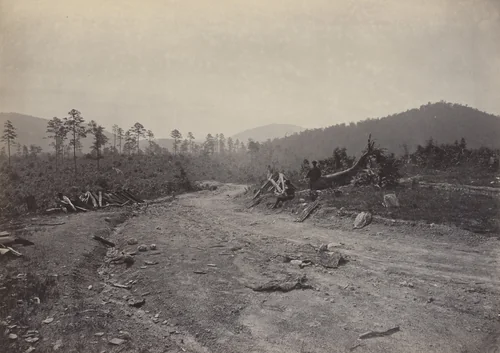
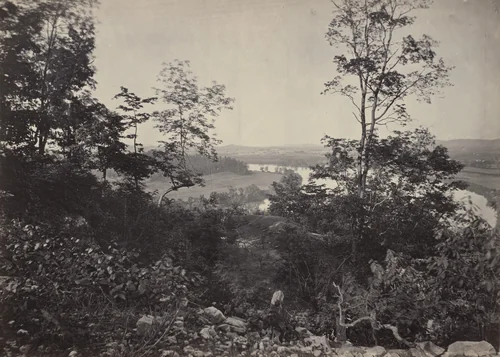
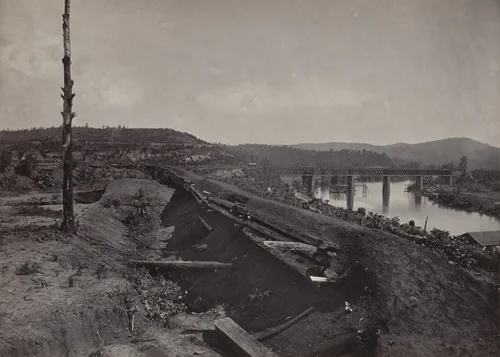
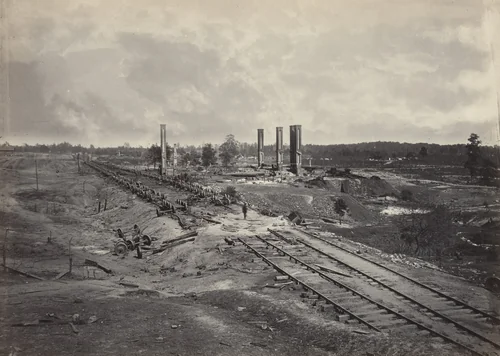
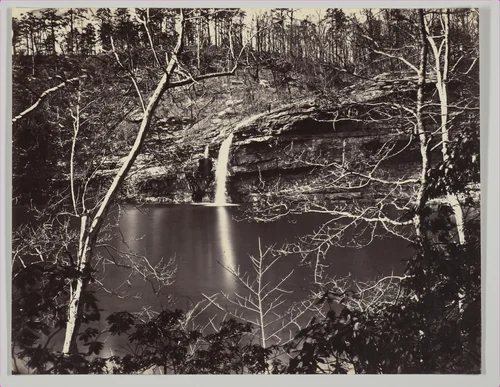
Barnard excelled at transforming documentary necessity into formal compositions. His photographs, published in influential albums like Photographic Views of Sherman’s Campaign (1866), provided the public with an authoritative look at the physical costs of modern war. Specific images, such as the two-part study Battle Field of Atlanta, Georgia, July 22nd 1864 No. 1 and No. 2, and the dramatic vantage point of Allatoona from the Etawah, demonstrate his sophisticated ability to balance documentary precision with monumental scale.
Today, the historical and artistic significance of Barnard’s work is recognized globally. His original photographic prints are maintained in major institutional collections, including the Museum of Modern Art and the Metropolitan Museum of Art, affirming their museum-quality status. As seminal works of American visual history, much of Barnard’s output has subsequently entered the public domain, ensuring continued accessibility. Scholars and enthusiasts can readily study or acquire high-quality prints of his essential mid-19th-century visual documentation.
Source: Wikipedia · CC BY-SA 4.0