George Morland
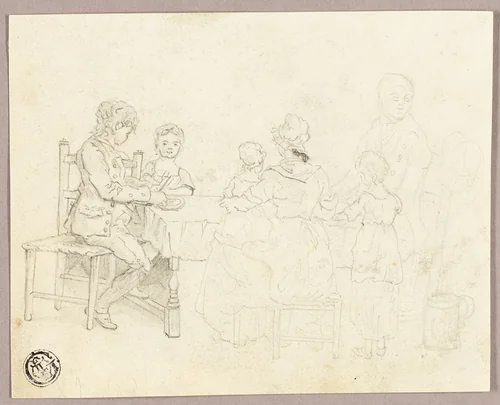
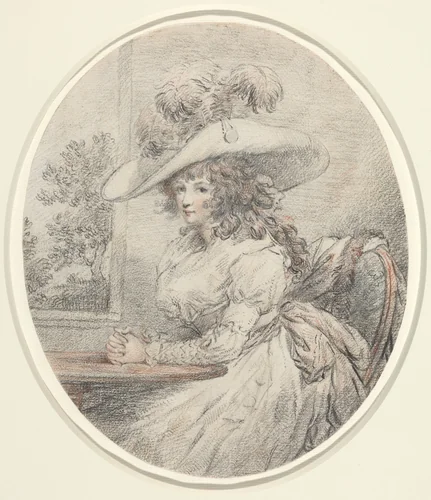
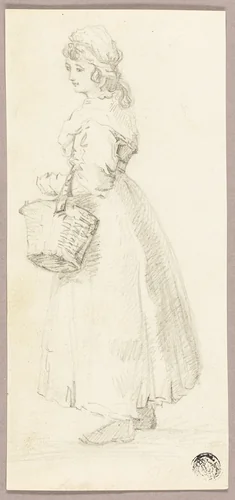
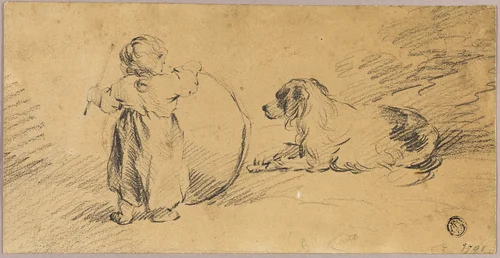
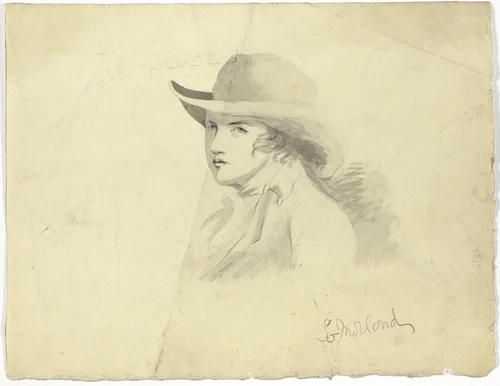
George Morland (1763–1804) stands as a distinct figure in late 18th-century English art, celebrated for elevating the genre scene to a level of technical sophistication previously reserved for portraiture and history painting. While his early output, including studies such as Anne Ward Morland, showed the influence of contemporaries like Francis Wheatley, Morland quickly established an original and highly sought-after style after the 1790s.
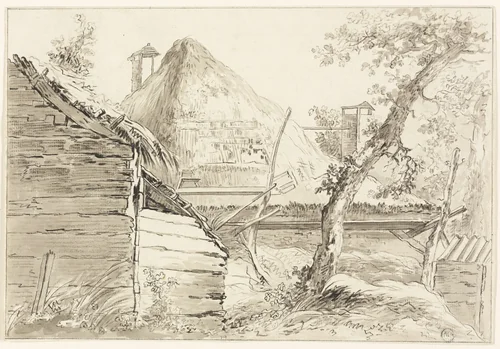
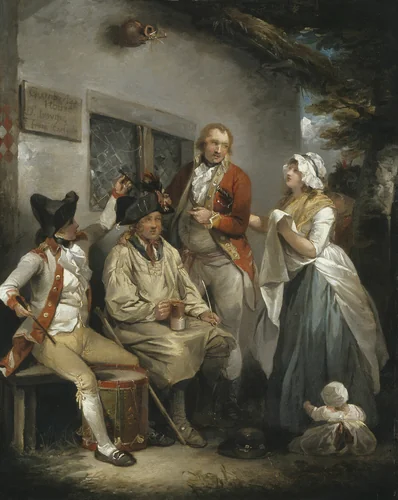
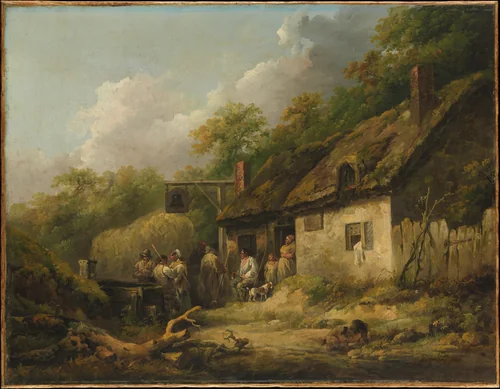
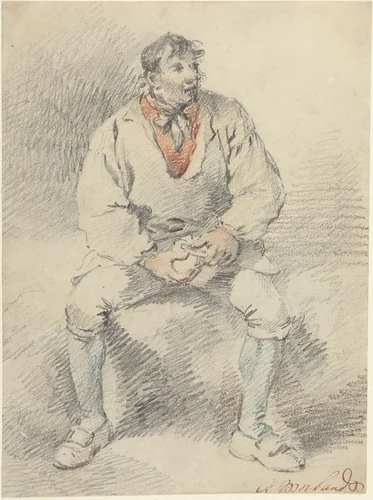
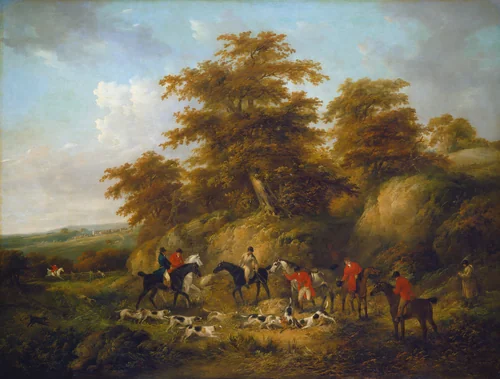
Morland devoted his practice to the vibrant documentation of the English countryside and its marginalized populations. His signature compositions focused on rustic life: the activity of farms, the spectacle of hunting, and, perhaps most uniquely, sympathetic portrayals of smugglers and gypsies. Works like Farmyard illustrate his mastery in rendering texture and the atmosphere of labor, treating the rural subject matter with a seriousness that anticipated later realist movements.
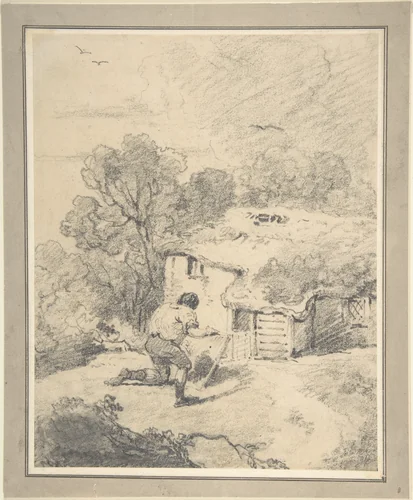
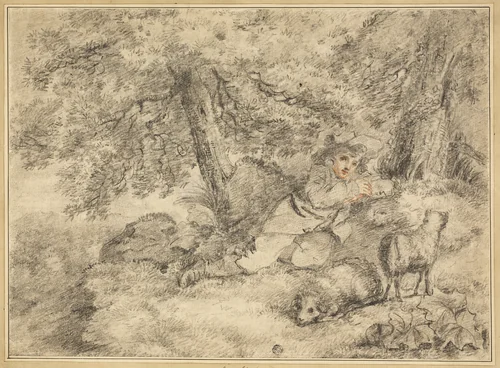
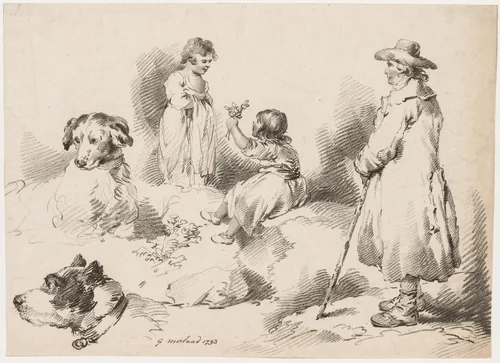
A defining characteristic of Morland’s approach was his informed reverence for the past. His rich, textured landscapes were directly inspired by the realism and tonal depth of Dutch Golden Age painting, particularly evident in the handling of light and shadow in pieces like Landscape with Figure. It is perhaps slightly amusing that Morland, notorious for his disorderly personal habits, applied such meticulously classical techniques to subjects that were often decidedly disreputable.
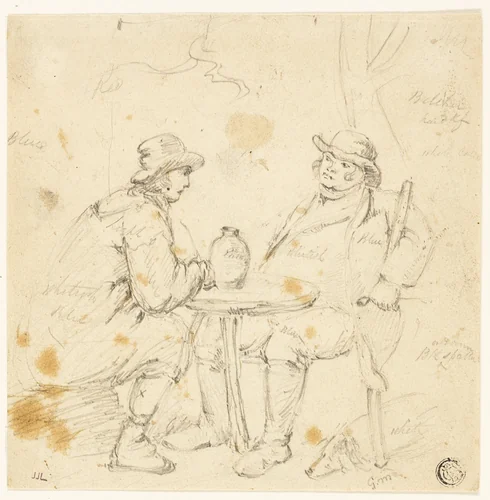
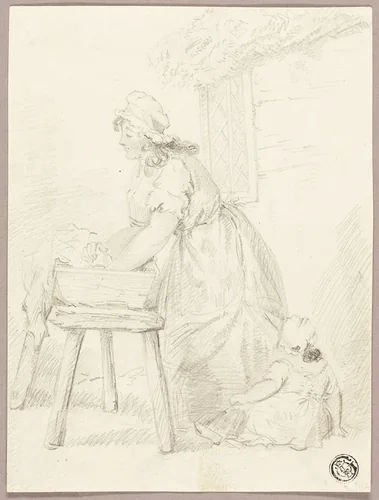
His output was considerable, ranging from detailed drawings to ambitious canvases. Today, many important George Morland paintings are held in prestigious international institutions, including the National Gallery of Art, the Metropolitan Museum of Art, and the Art Institute of Chicago. The sustained appreciation for his genre scenes ensures that his legacy remains vital; many of his compositions, now in the public domain, circulate widely as high-quality prints and downloadable artwork, offering modern viewers unfiltered access to the lively, if often hardscrabble, realities of late Georgian England.
Source: Wikipedia · CC BY-SA 4.0