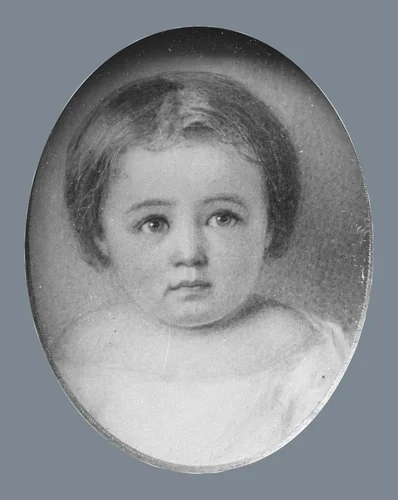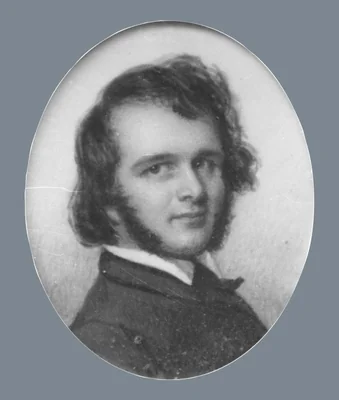
George Hewitt Cushman
George Hewitt Cushman (1839-1856) stands among the most accomplished American engravers and miniature painters of the mid-nineteenth century, his precise output serving as a crucial link between the prevailing Neoclassical portraiture and the rise of photographic likenesses. Recognized during his active period as a master of intimate scale, Cushman’s works are now held in major institutional collections, including the Metropolitan Museum of Art, affirming his significance in American portrait history.
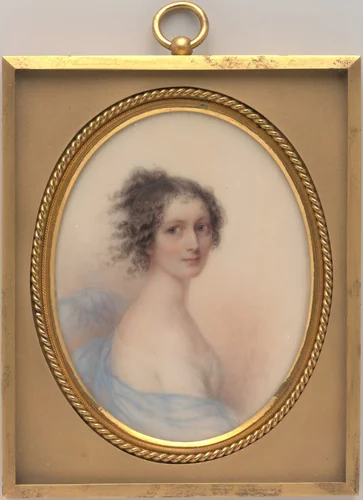
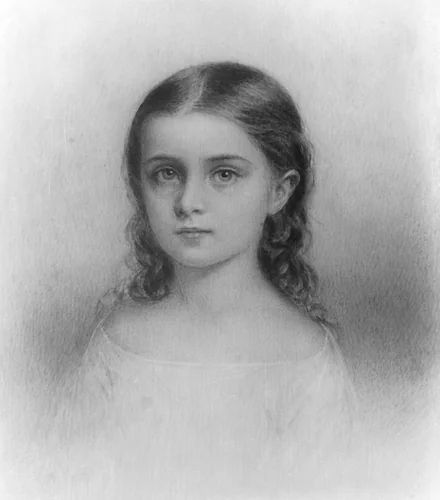
Cushman’s career trajectory held an intriguing contrast to his meticulous art. Early financial setbacks within his family necessitated a dramatic vocational shift, preventing his planned entry into West Point to pursue a military career. The artist who mastered the delicate application of watercolor on ivory was, perhaps ironically, a man originally destined for the rigors of command and battlefield strategy. This biographical pivot lends a subtle yet pervasive element of discipline to his work; the fastidious attention to costume, expression, and background detail in miniatures like the portraits of Ida Cushman and Alice Cushman suggests a precision akin to military mapping.
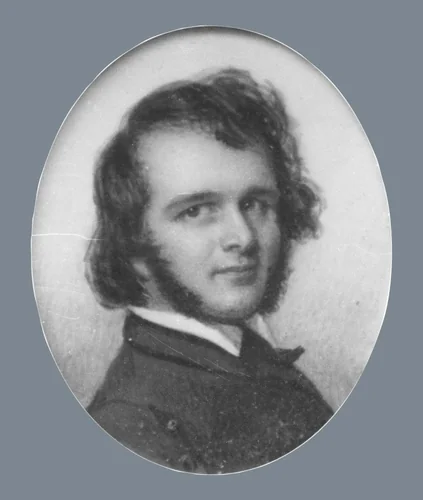
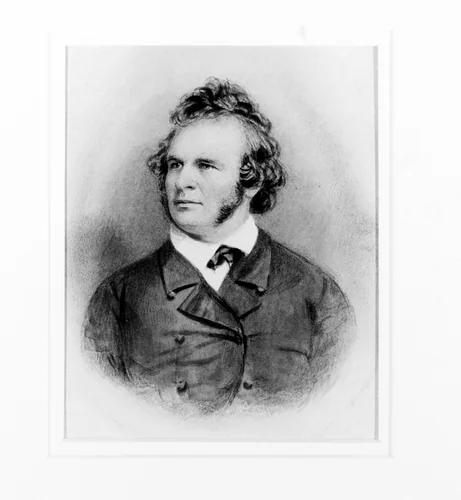
The historical record left by Cushman is defined by a focused intensity, capturing the gentry and prominent figures of his time in highly detailed effigy. His extant body of work includes multiple self-portraits, offering windows into the artist’s self-perception, alongside notable commissioned pieces such as the detailed likeness of Rebecca Wetherill. Cushman’s specialization in both engraving and miniature painting highlights his technical versatility, allowing him to transition seamlessly between media that demanded maximum control over composition and light.
Today, the George Hewitt Cushman paintings and prints are sought after not only for their artistic merit but as important historical documents that illuminate the societal conventions of the period. Thanks to their age, many of Cushman’s finest engravings and finished miniature studies are classified as public domain assets. This accessibility ensures that reproductions, available as high-quality prints, continue to introduce Cushman’s refined artistry to a contemporary audience. Though his period of activity was relatively brief, Cushman’s legacy persists as a testament to the enduring power of disciplined craft in the face of rapidly changing artistic and technological trends.
Source: Wikipedia · CC BY-SA 4.0