George Henry Smillie
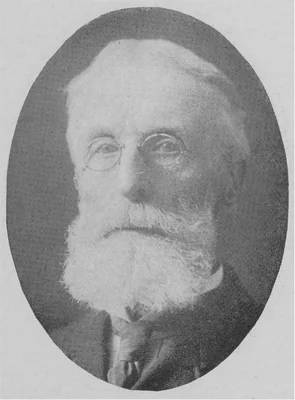
George Henry Smillie (1840-1883) established a distinguished career as an American painter and etcher, bridging the transition from mid-century Hudson River School tenets toward the more intimate, Tonalist sensibilities favored in the latter decades of the nineteenth century. While recognized for his oil paintings, Smillie’s professional contribution is particularly significant within the revival of American printmaking, where he helped elevate etching from a reproductive craft to a respected art form.
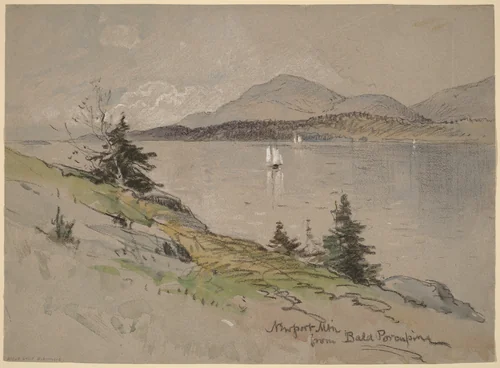
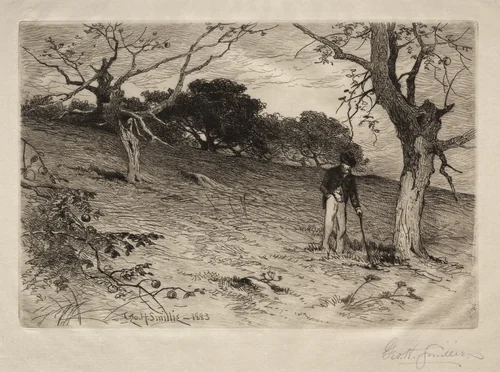
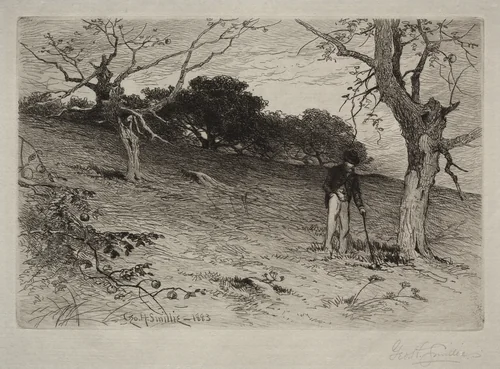
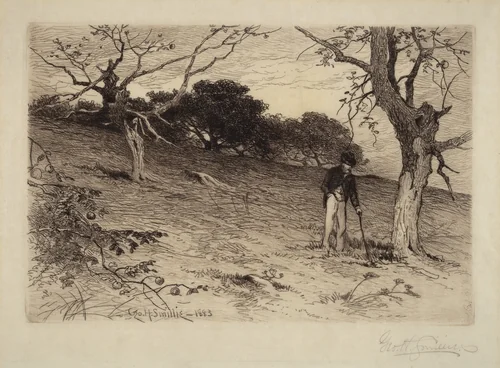
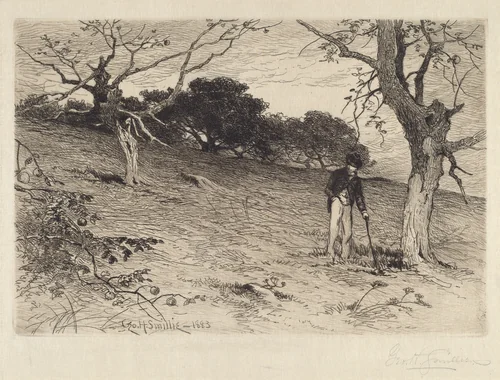
Smillie’s subjects demonstrate a profound focus on the atmospheric conditions and specific geography of the American Northeast. His practice often involved depicting specific landmarks and detailed topographical elements, lending an air of documentary precision to works like the print Newport Mountain from Bald Porcupine. Yet, he was equally adept at capturing the quiet, pastoral romance of domestic landscapes, as seen in the pair of related studies, An Old New England Orchard and Old New England Orchard. His focus on these regional subjects highlights a growing artistic trend: the romantic idealization of historic New England scenery for an increasingly urban and nostalgic American audience.
Working during a period when the demand for affordable, yet museum-quality, graphic art exploded, Smillie contributed significantly to the democratization of art collecting. His precise draftsmanship ensured his graphic works were prized by contemporary collectors and critics alike. Today, the enduring quality of his draftsmanship is preserved across major American institutional holdings. George Henry Smillie paintings and prints are permanently housed in the Metropolitan Museum of Art, the National Gallery of Art, and the Cleveland Museum of Art, testifying to his historical importance.
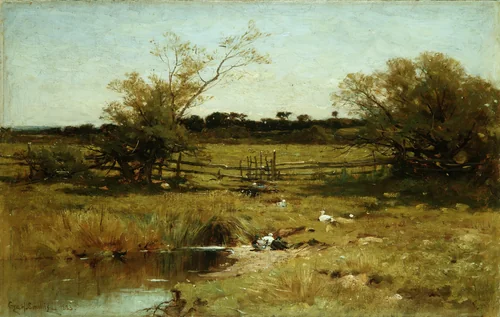
Given the nature of the graphic arts market in the late nineteenth century, a substantial portion of Smillie’s output, including celebrated pieces like the print East Hampton Meadows, has entered the public domain. This accessibility allows contemporary scholars and enthusiasts to study high-quality prints and downloadable artwork that reflect Smillie’s mastery of line and light, ensuring that the legacy of this vital landscape practitioner remains widely available and highly valued.
Source: Wikipedia · CC BY-SA 4.0