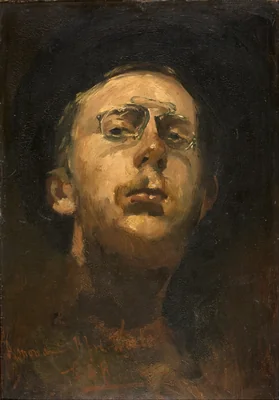
George Hendrik Breitner
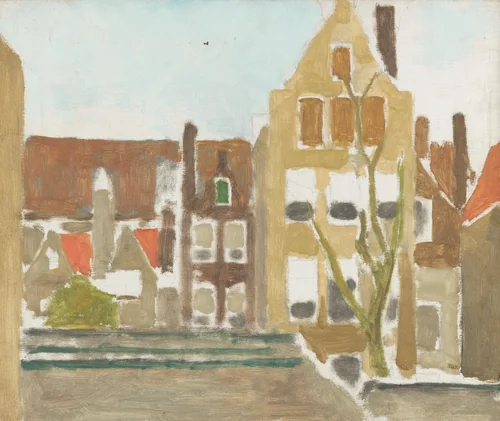
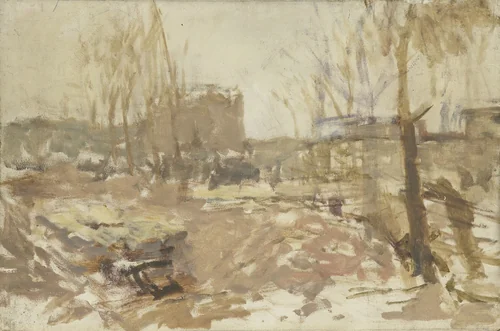
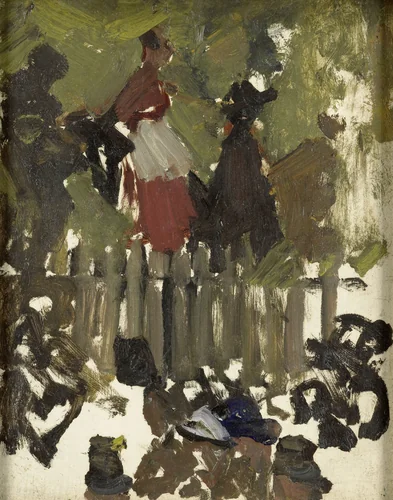
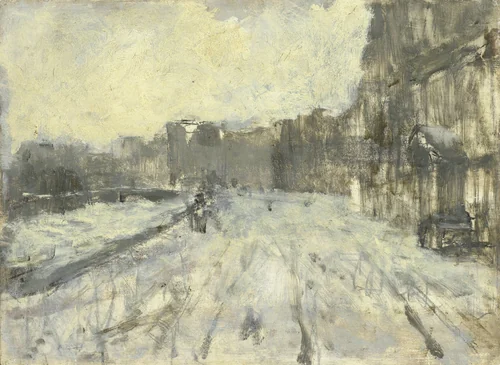
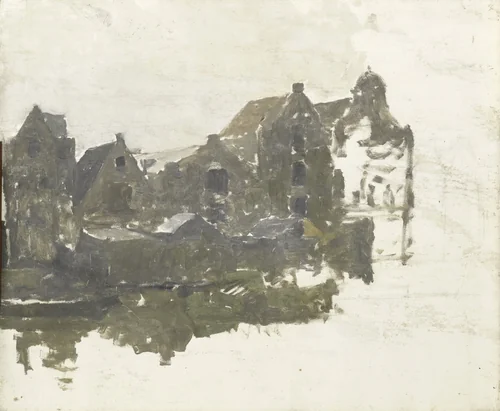
George Hendrik Breitner (1857-1880) stands as a foundational presence in 19th-century Dutch modernism, defining the distinctive style of Amsterdam Impressionism. Unlike the bucolic, diffused light often associated with French Impressionists, Breitner focused his artistic lens, both literal and conceptual, on the gritty reality of urban transformation. He gained recognition especially for his robust, realistic depictions of street scenes, construction sites, and bustling harbors, capturing the dynamic energy of his rapidly industrializing environment.
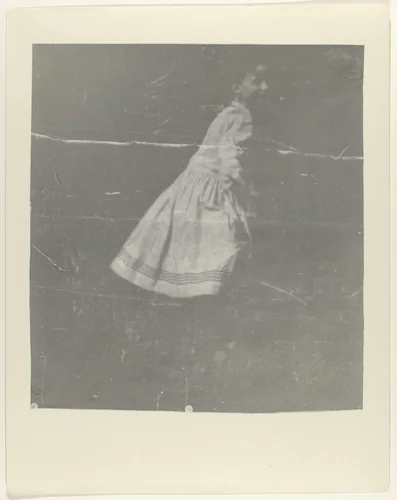
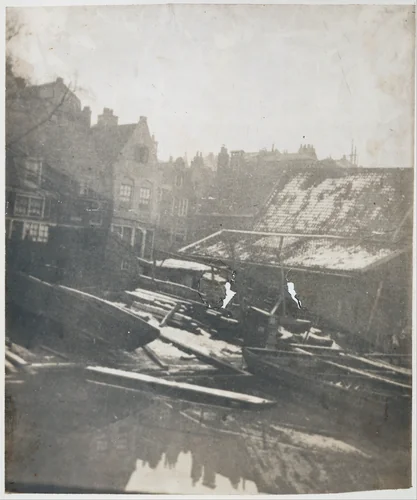
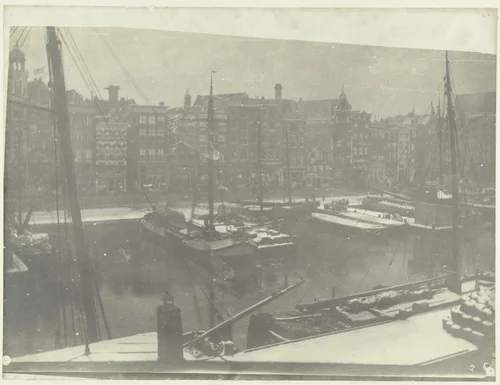
Breitner was committed to painting en plein air, seeking to capture transient moments and immediate atmospheric effects. However, his methodology was notably modern for his era. As an important photographer, he frequently employed the camera as a crucial tool for documentation, generating reference materials to study complex movements and specific lighting conditions, a practice that cemented his dedication to realism. He was a keen observer of the changing urban landscape, focusing his studies particularly on laborers, city infrastructure, and the daily hustle.
An understated observation of his works reveals a particular fascination with adverse weather; many of his most evocative compositions, frequently sought after as high-quality prints, focus on the shimmering, reflective quality of rain-slicked pavement. This dedication to documenting the harsh beauty of the wet city elevated seemingly mundane views into deeply atmospheric compositions.
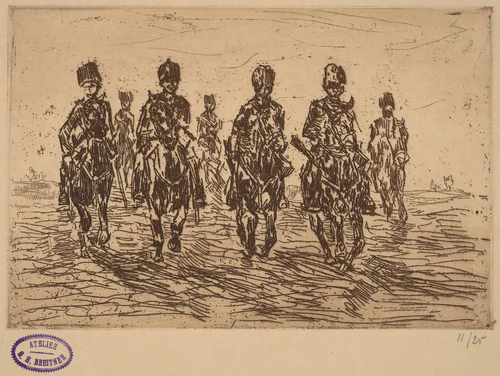
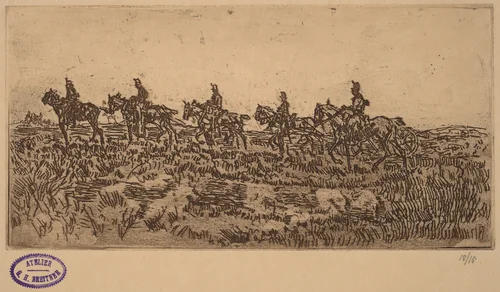
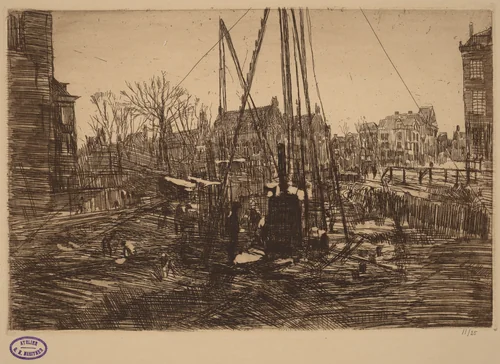
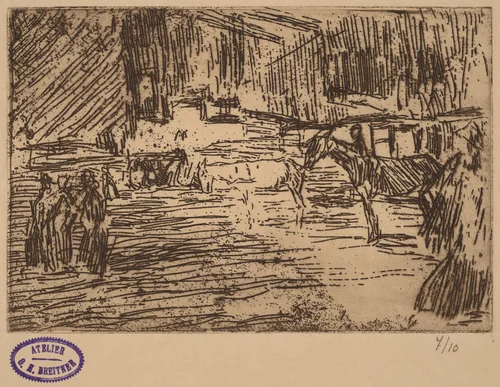
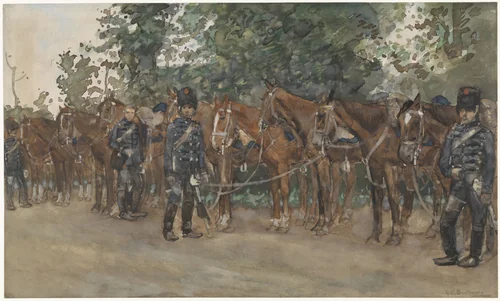
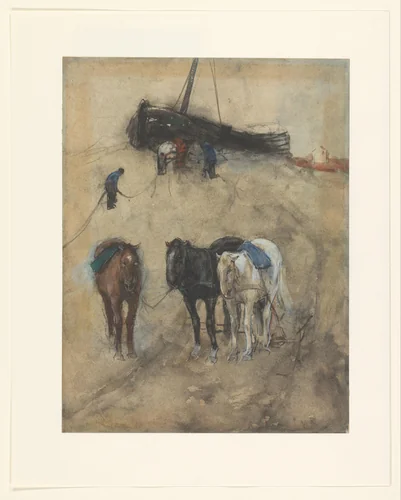
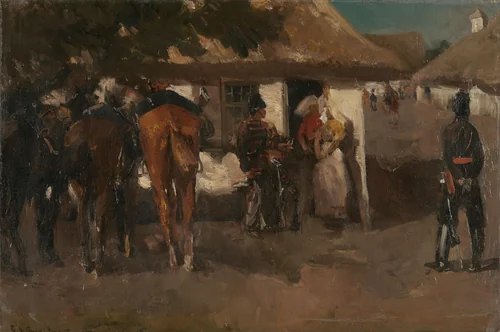
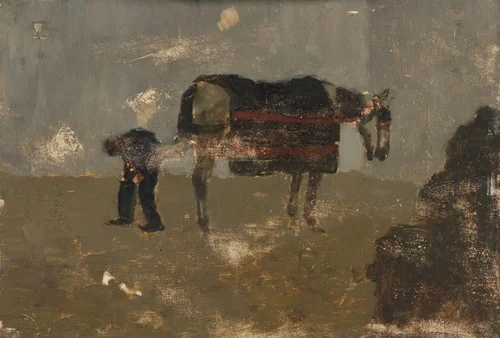
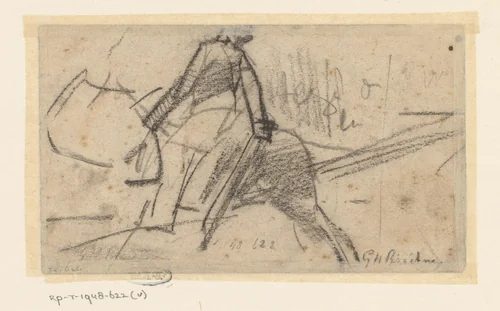
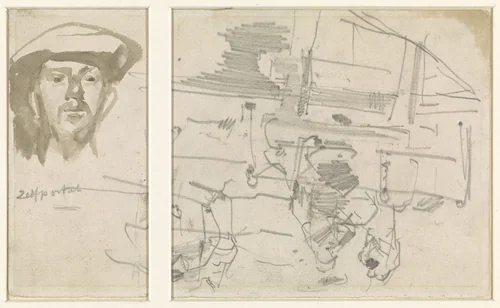
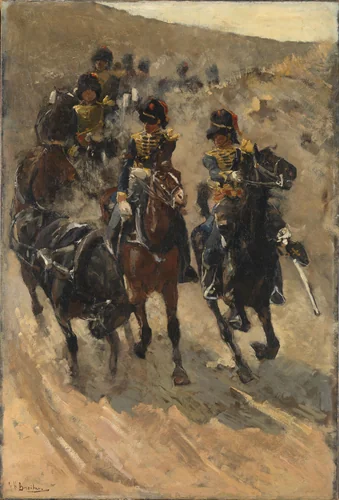
Breitner’s output during his active period includes 8 paintings, 4 prints, and 3 drawings. His technical skill extended beyond urban documentation, notably in his powerful equestrian subjects, evidenced by works such as Galloping Hussars in Front View and Hussars Riding Single File. These works, along with scenes like Scene in a Dutch City with Pile Driver in Foreground, ensure his continued prominence in global institutions, including the Rijksmuseum and the National Gallery of Art. Given the historical importance of George Hendrik Breitner paintings, much of his material is now available in the public domain, allowing institutions and enthusiasts to access museum-quality digital files of his influential urban views.
Source: Wikipedia · CC BY-SA 4.0