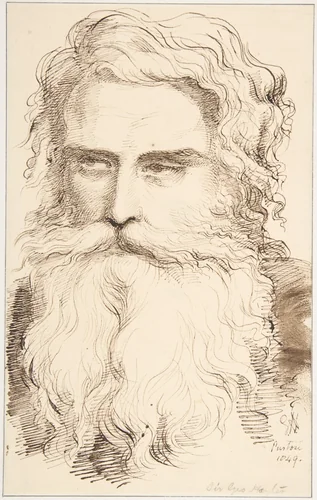
George Hayter
Sir George Hayter was an English painter whose career successfully navigated the demanding arenas of high-society portraiture and complex historical tableaux. His signature output consisted of ambitious canvases, often incorporating several hundred meticulously rendered individual portraits within a single narrative scene. This exceptional ability to combine detailed likenesses with dramatic scope secured his status in nineteenth-century British art, making him the era’s foremost chronicler of state occasions and influential figures.
Hayter’s artistic and political alignment culminated in significant royal patronage. Queen Victoria held his abilities in high esteem, particularly appreciating his talent for depicting assemblies of the elite. She honored him with the official appointment of Principal Painter in Ordinary. Following this distinction, she conferred a Knighthood upon him in 1841. This formal recognition cemented his position as the premier artistic documentarian of the early Victorian court.
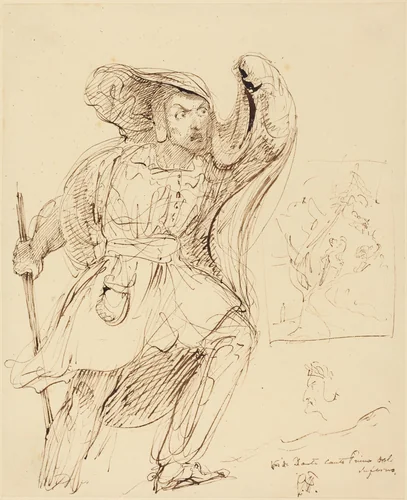
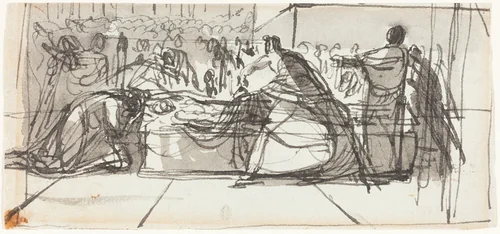
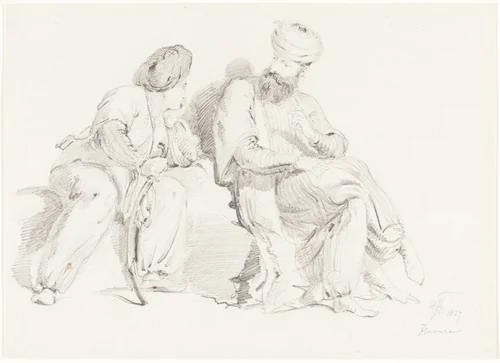
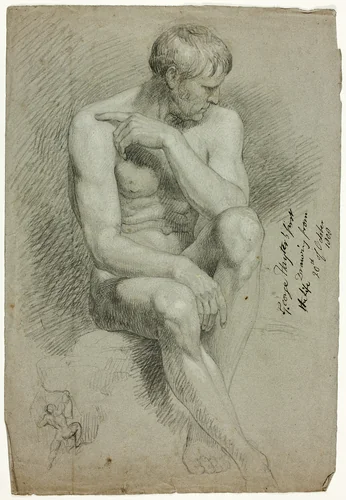
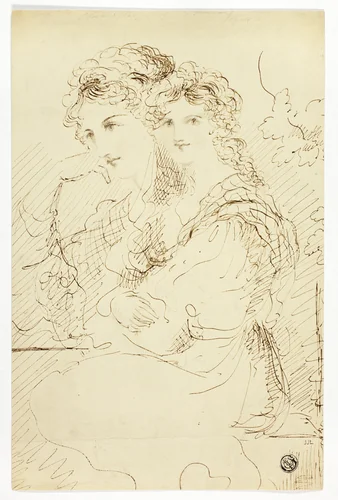
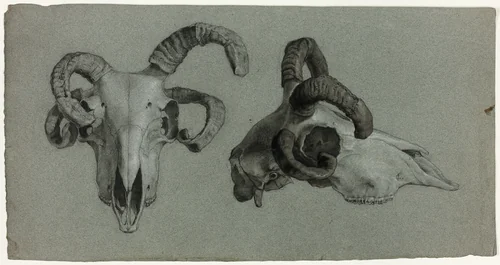
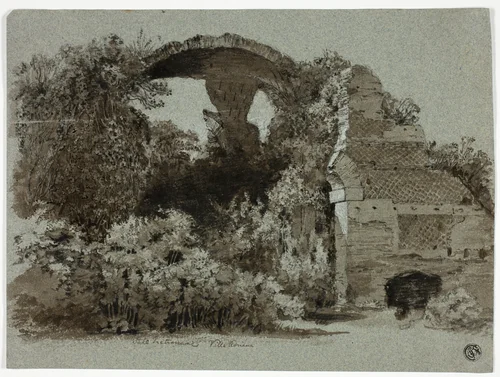
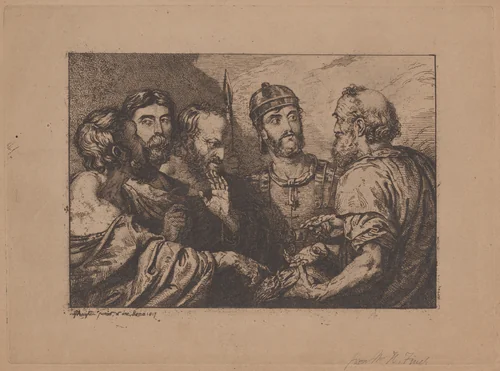
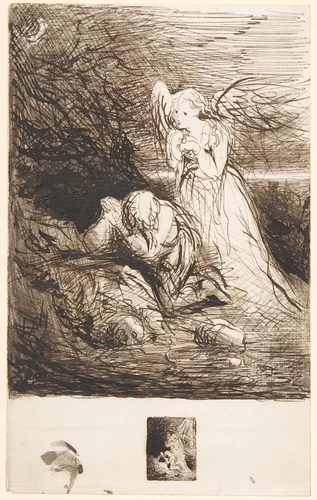
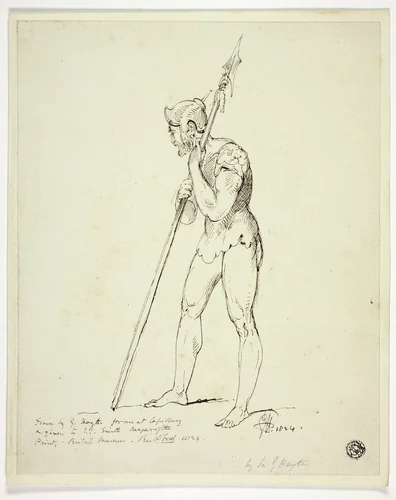
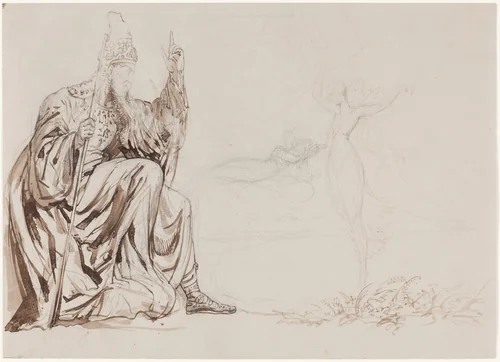
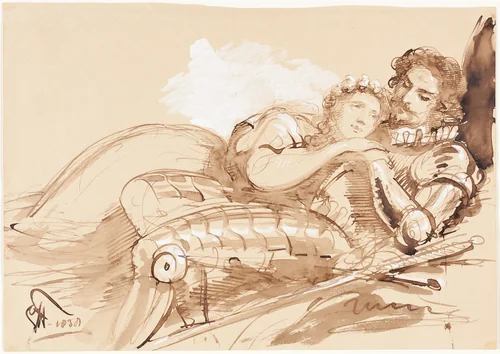
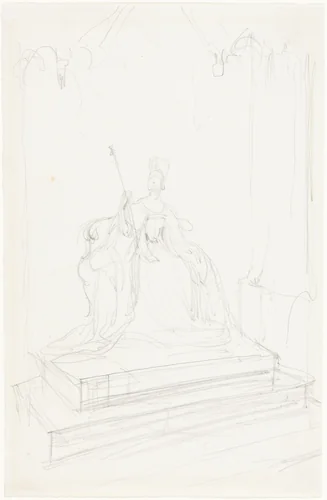
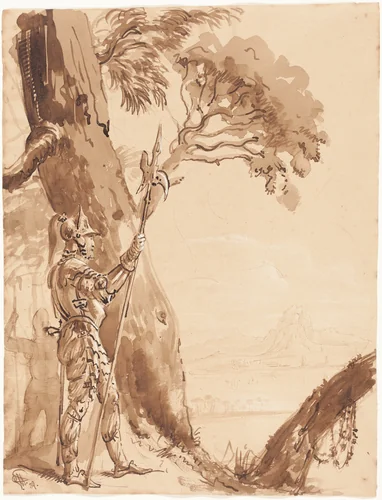
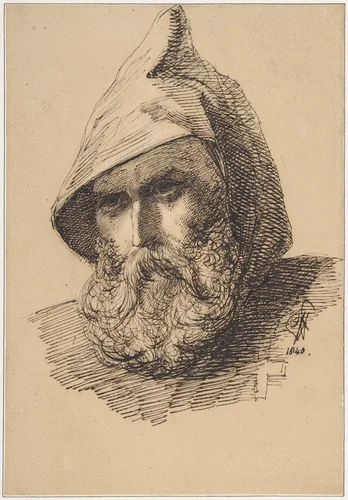
While renowned for these grand public commissions, Hayter’s extant drawings and preparatory studies reveal a sharp observational talent and a deep engagement with classical and literary themes. Academic pieces like The Laying Out of Christ and the preparatory sketches for Studies for a Scene from Dante's "Inferno" demonstrate a mastery of anatomy and dramatic light rarely visible in his polished society portraits. His range extended from demanding figure studies, such as the Seated Male Nude with Sketch of Nude Archer, to specific cultural observations like Two Men in Oriental Dress, suggesting that the artist maintained a vigorous private practice well beyond the demands of the Crown.
Today, original George Hayter paintings and drawings are held in major international institutions, including the National Gallery of Art, the Metropolitan Museum of Art, and the Art Institute of Chicago. The detailed nature of his preparatory work means that many of these pieces, available today as high-quality prints and other royalty-free resources, provide valuable insight into the working methods of a major state painter. Due to their institutional housing and age, many of these works are in the public domain, ensuring global access to the extensive output of Sir George Hayter.