George Hart
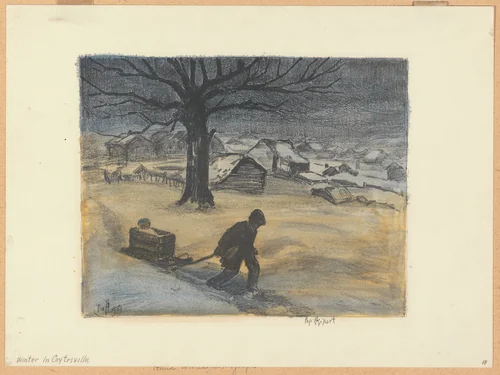
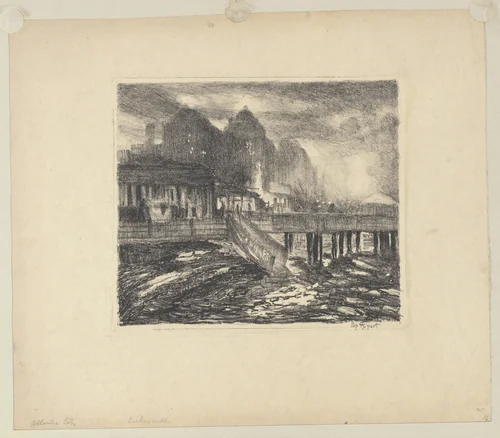
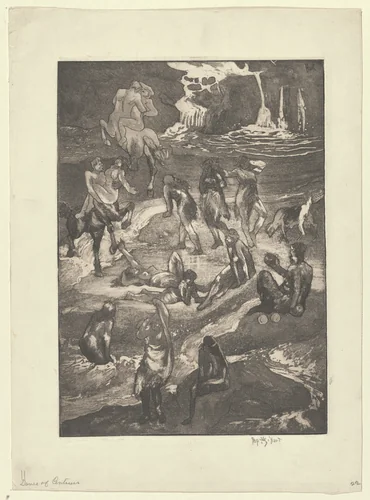
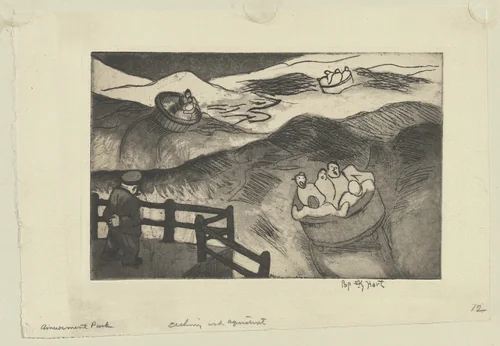
George Overbury Hart (1868-1933), known universally in artistic circles as Pop Hart, secured his place in American art history through his compelling and often humorous depictions of global vernacular culture. A consummate traveler and observer, Hart eschewed the formal studios of the period, favoring the immediacy of the sketchbook and the spontaneity of etching. Active professionally between 1912 and 1925, his output of drawings and high-quality prints constitutes a significant contribution to early twentieth-century American graphic arts. His work is recognized by major institutions, including the Museum of Modern Art and the National Gallery of Art.
Hart’s creative power stemmed directly from his rigorous self-education and ceaseless wanderlust. He journeyed extensively throughout the West Indies, North Africa, and the South Pacific, often financing his passage not through traditional patronage, but by trading sketches for lodgings and travel accommodations. This unusual method of living ensured that he remained inextricably connected to the everyday life he documented. This dedication to immersion imbues his subjects, whether a bustling harbor or a simple home, with an undeniable, authentic energy.
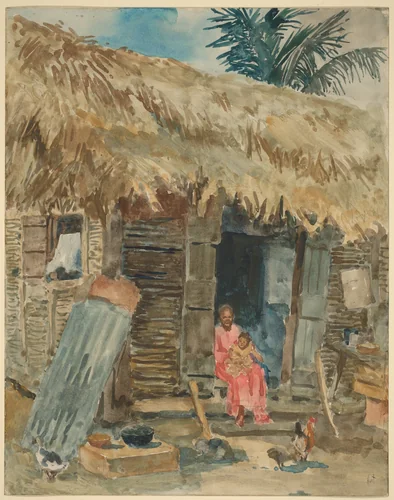
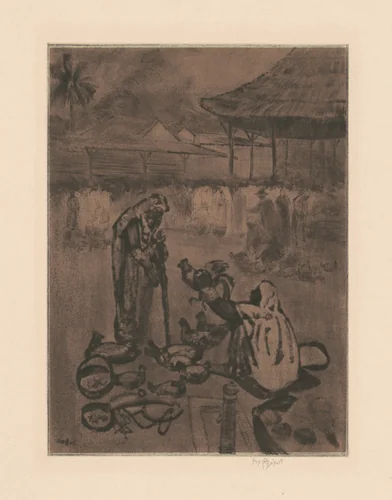
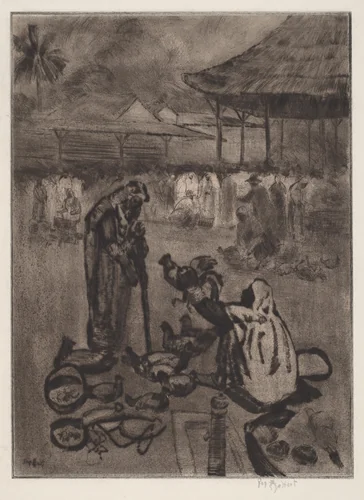
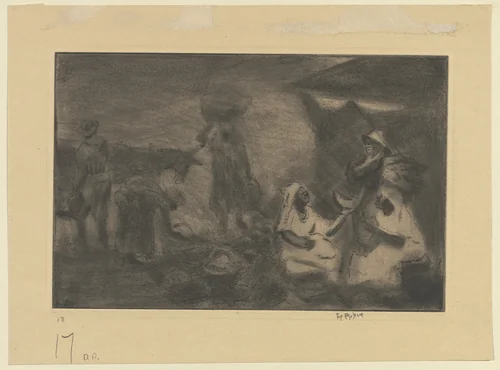
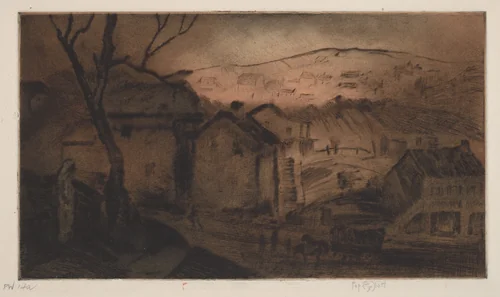
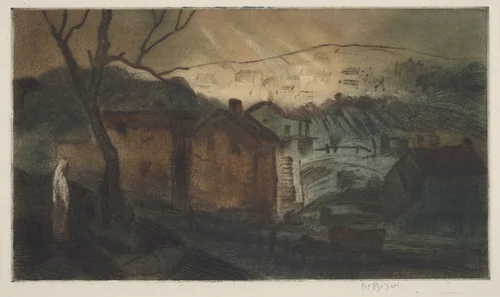
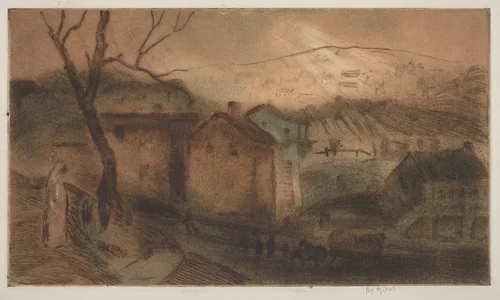
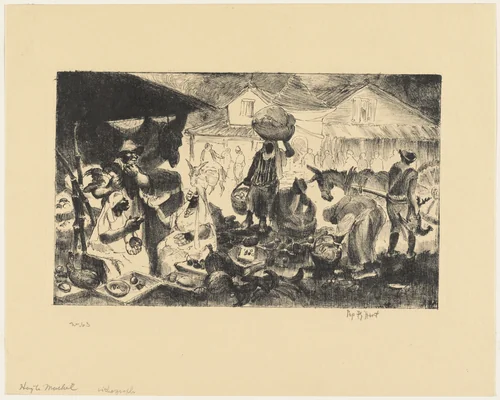
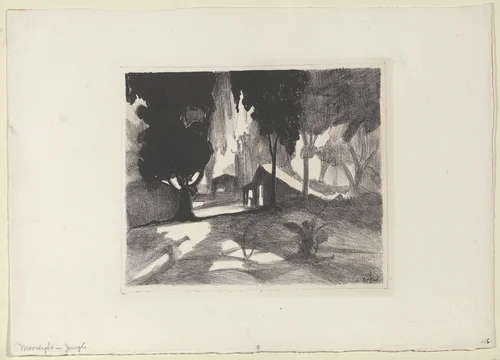
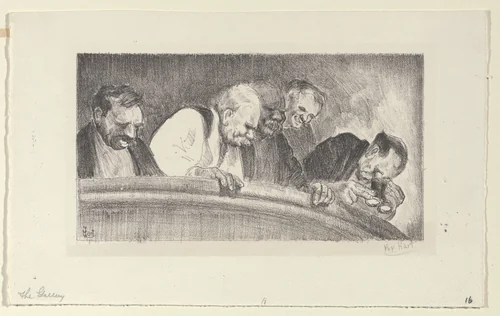
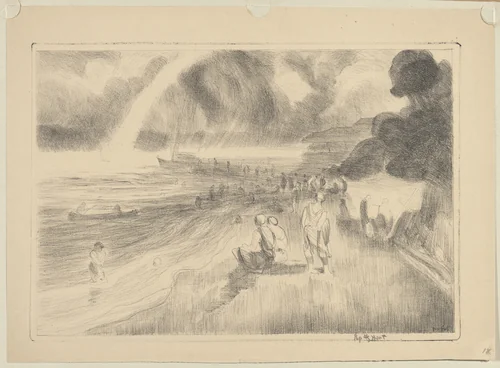
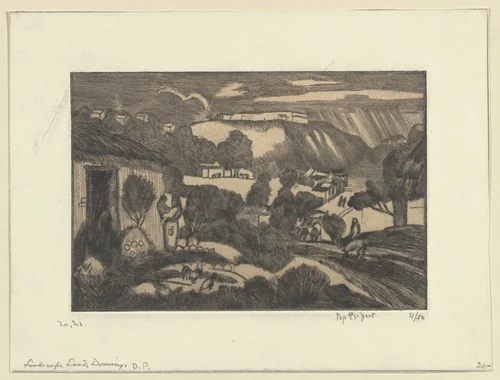
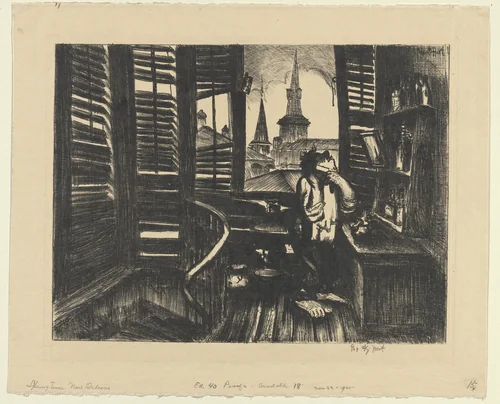
His visual language captured the vitality of the street, employing a quick, expressive line that translated the chaos of the market into cohesive compositions. Prints such as Chicken Vendor, Trinidad and Early Morning Market showcase his distinctive ability to render character and local idiosyncrasy without resorting to caricature. While his watercolor works earned him initial recognition, it is through his etchings and lithographs that his technical versatility is most evident. Hart masterfully utilized the varying tonal capabilities of printmaking to evoke the atmosphere of tropical heat or the sharp shadows of early morning, as seen in the atmospheric Hut in Trinidad.
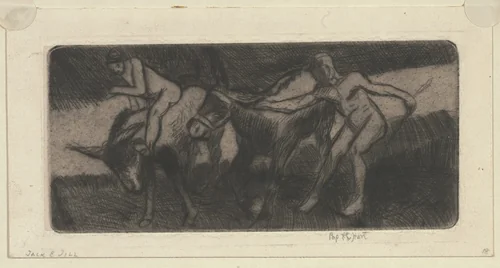
George Hart’s graphic legacy centers on his humane and often witty documentation of people existing outside of industrialized modernity. His focus was always on the dignity and subtle comedy of the human condition, making even playful compositions like Jack and Jill rich with observation. Today, due to the efforts of major collections to preserve and digitize his output, many of these museum-quality observations are readily available as downloadable artwork, ensuring the continued study of this adventurous and insightful American printmaker.
Source: Wikipedia · CC BY-SA 4.0