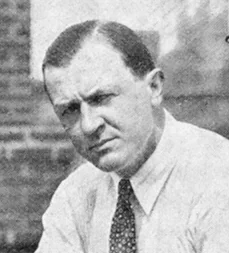
George Grosz
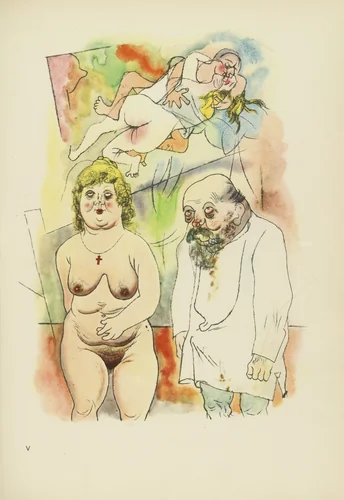
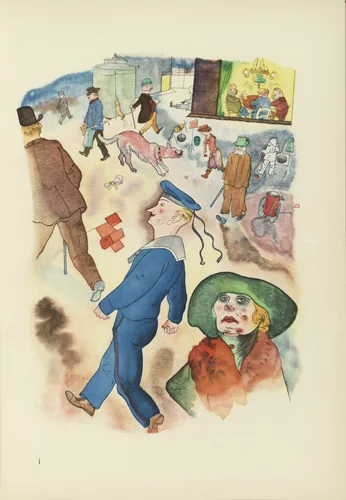
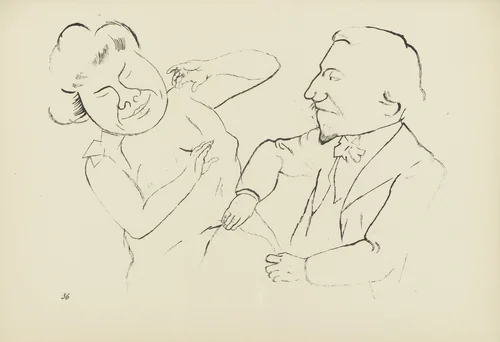
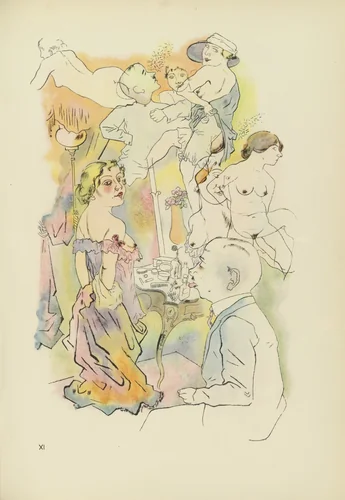
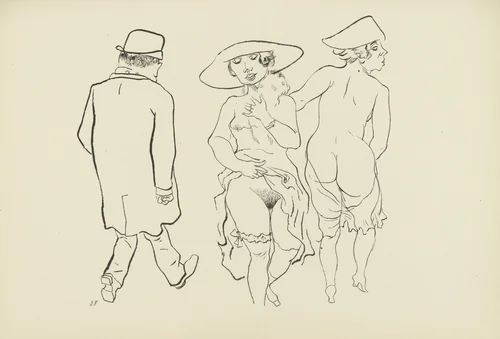
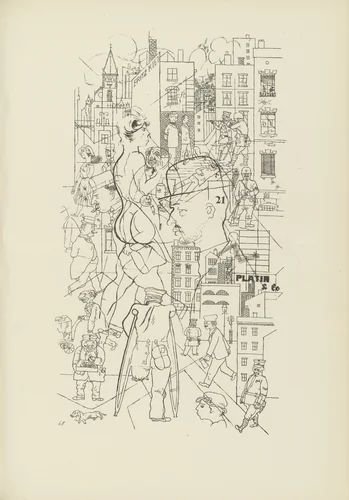
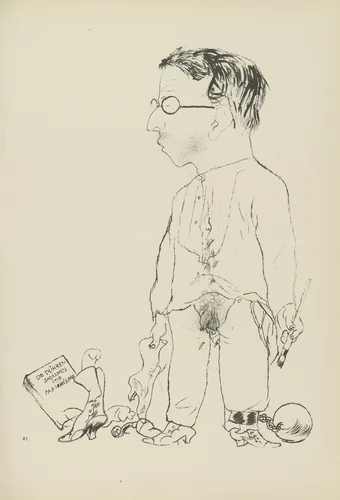
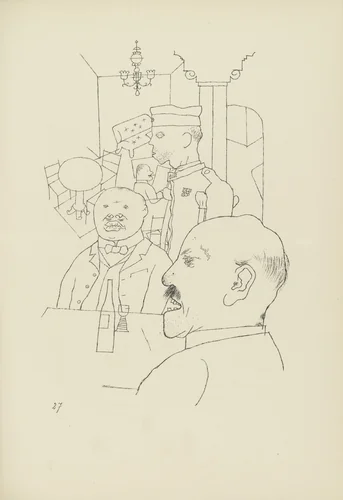
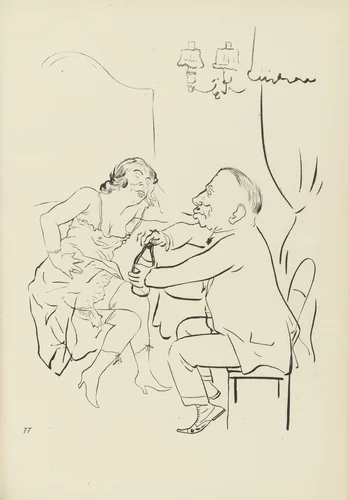
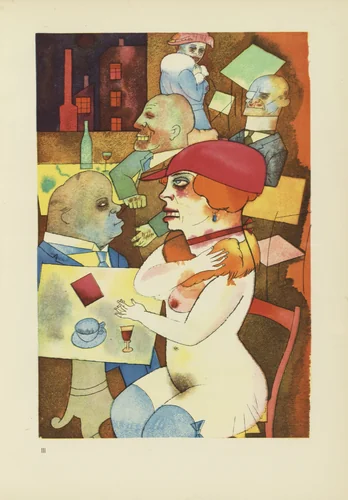
George Grosz (1893-1959) is internationally recognized as the definitive visual chronicler of the Weimar Republic, whose powerful and often brutal caricatures established him as a leading figure in German modernism. His early career crystallized around the intense social and political upheaval of post-World War I Berlin, focusing on the corrupting influence of capitalism, militarism, and urban vice.
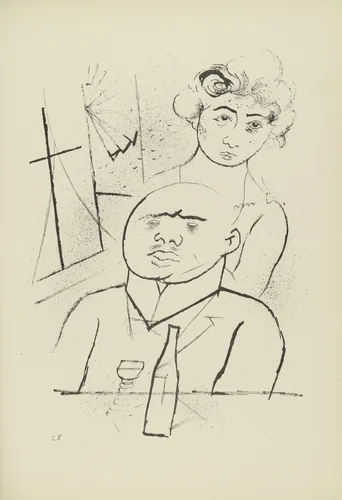
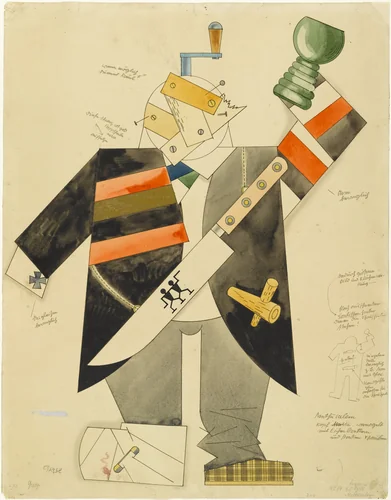
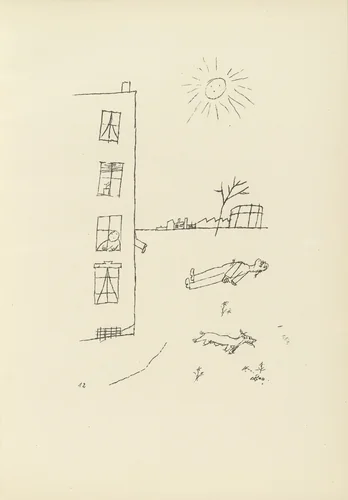
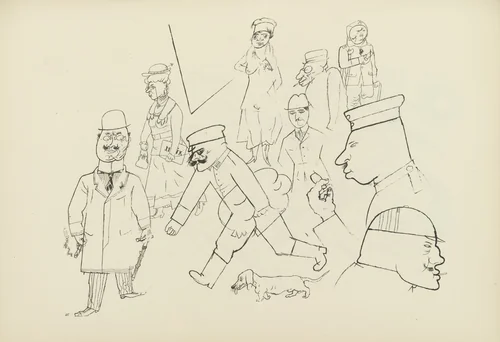
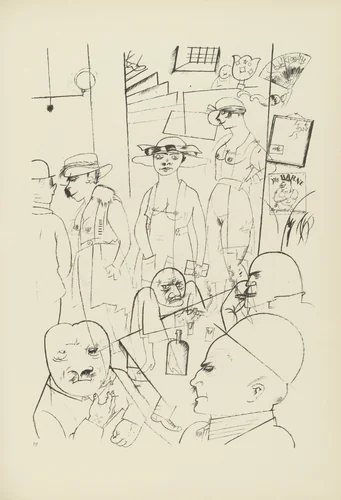
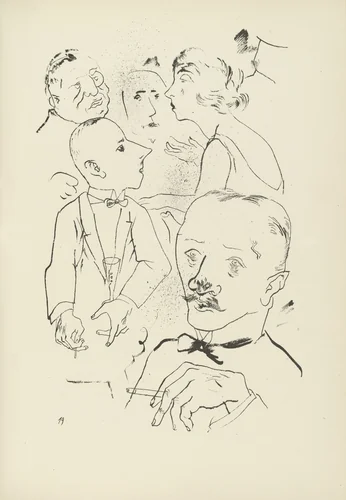
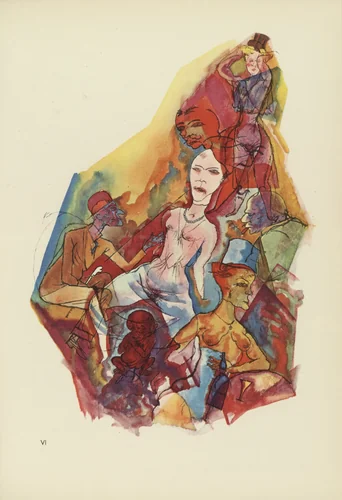
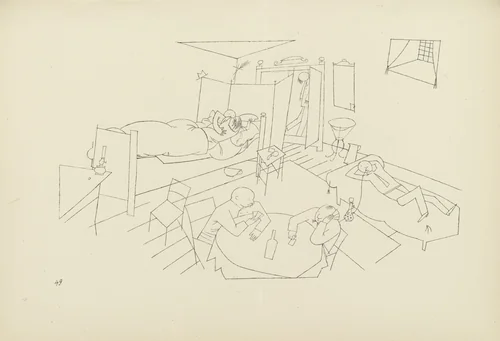
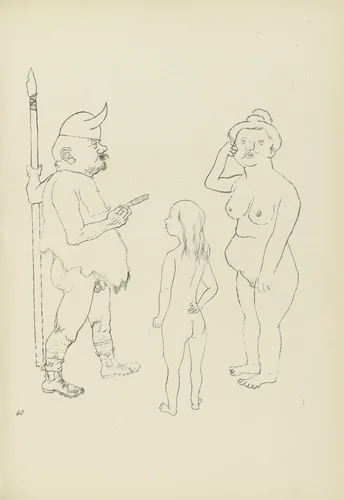
A central member of the Berlin Dada movement, Grosz utilized collage and drawing to create visual polemics that dissected the city’s profound class divisions. Following Dada, he became a principal German exponent of New Objectivity (Neue Sachlichkeit), refining his technique to produce highly specific, unsentimental examinations of contemporary life. Works such as Den of Iniquity and the disquieting The End of the Road (Out of Fear of Starvation), executed primarily in stark ink and watercolor, are less illustrations and more forensic reports on societal pathology. These graphic representations of anxious citizens, profiteers, and soldiers cemented his reputation for combining technical virtuosity with devastating political insight.
In 1933, sensing the imminent collapse of the liberal cultural environment, Grosz emigrated to the United States, becoming a naturalized citizen five years later. This geographic shift precipitated a dramatic stylistic rupture. While the works that secured his lasting fame were rooted in the intense social critique of the 1920s, his American output largely abandoned that signature biting cynicism. Instead, he dedicated himself to teaching, serving for many years on the faculty of the Art Students League of New York, and exploring new subjects, including landscape and lighter figuration. It has often been observed that the scathing irony of his Berlin years rarely translated across the Atlantic.
Despite this change in artistic focus, Grosz continued to exhibit regularly, securing his position within American academic art circles. Today, his earlier, revolutionary output remains his most influential achievement. Many of his significant works, including the George Grosz prints and drawings held in major institutions like the Museum of Modern Art, are increasingly studied and made available as high-quality prints and downloadable artwork, ensuring his confrontational vision of interwar Germany remains globally accessible. He briefly returned to Berlin in 1959, where he died soon after.
Source: Wikipedia · CC BY-SA 4.0