George Glover
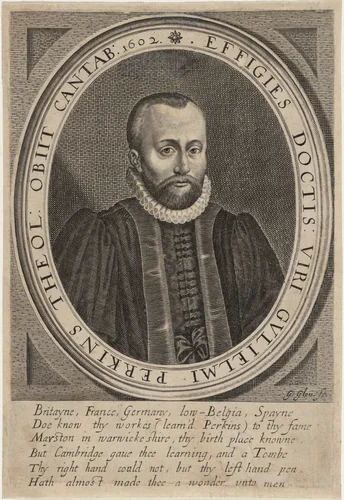
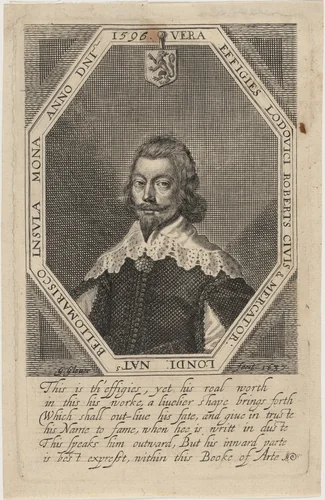
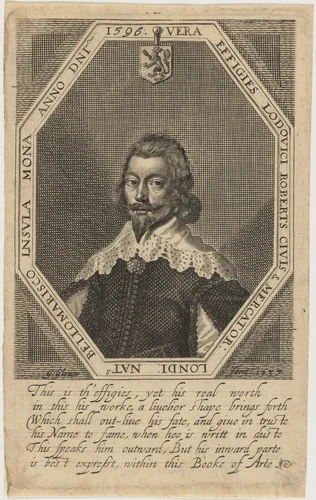
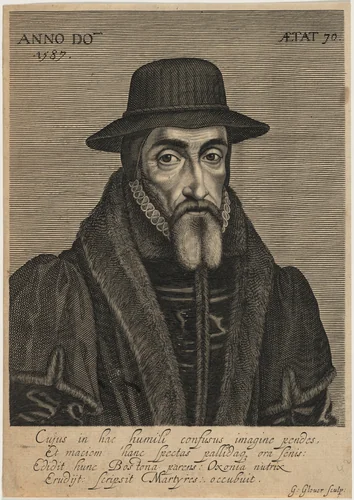
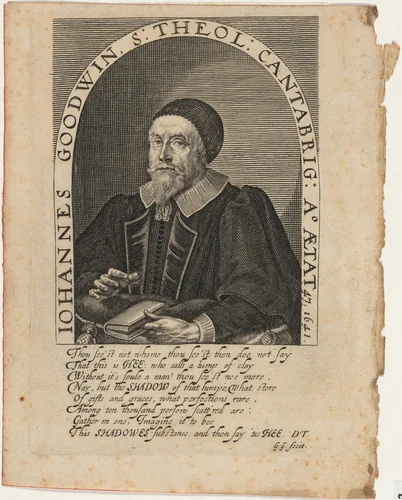
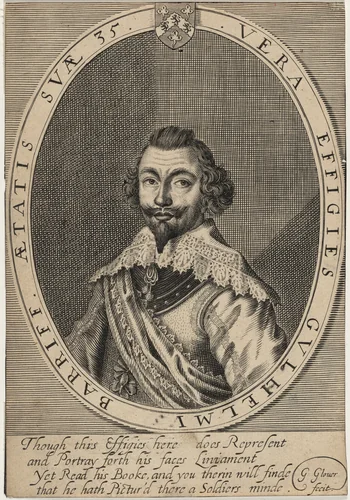
George Glover (active c. 1572-1643) stands as an important, if sometimes historically overshadowed, figure in the early development of English engraving. Working almost exclusively in portraiture, his surviving corpus of around fourteen known prints provides critical visual documentation of major political and ecclesiastical figures navigating the turbulent transitions of the early seventeenth century, bridging the late Elizabethan period and the subsequent Caroline era. His active period coincided with the rising popular demand for accessible, reproducible images of national leadership and cultural authority.
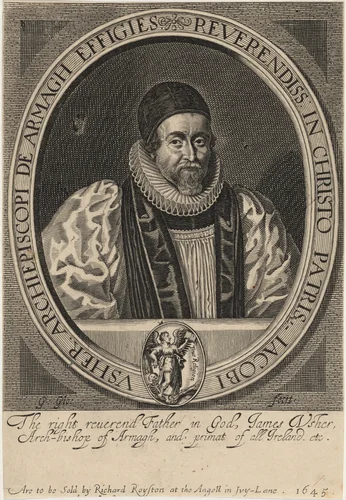
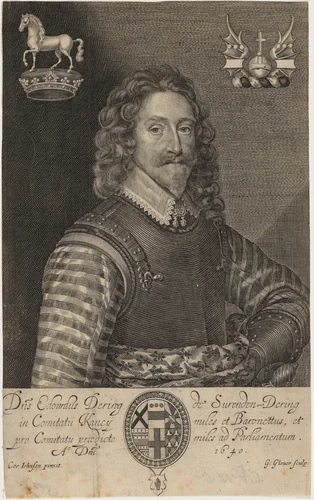
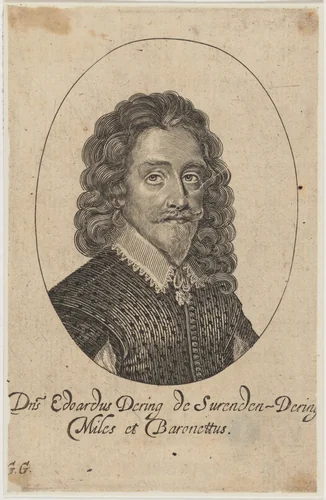
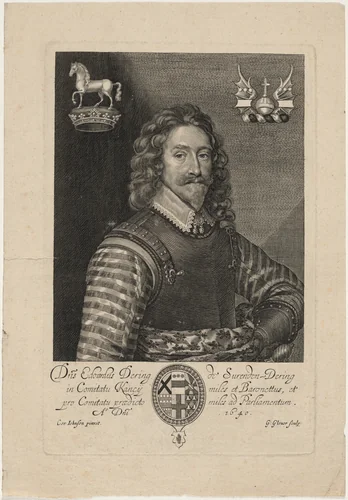
Glover’s technical skill lay in translating the formal prestige and detail of contemporary painting into the reproducible medium of the copperplate. His finished works were disseminated widely, fulfilling the public’s need for immediate and authoritative images of those in power. Notable commissions showcase the political and religious currents of the era, including the striking study of James Ussher, Archbishop of Armagh, a foundational theologian whose scholarship significantly influenced later theological and political debates. Equally significant are the known multiple sittings for Sir Edward Dering, documenting the prominent baronet and politician whose complex loyalties would later characterize the deep divides of the English Civil War.
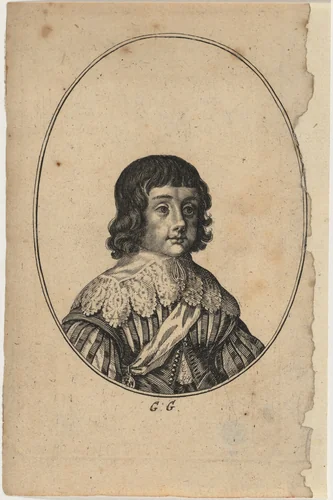
Unlike many contemporaries who focused on classical or mythological themes, Glover anchored his output firmly in documented reality, producing works that acted as visual biographies of the nation’s elite. It is perhaps a subtle testament to the unsettled politics of the period that one of his most endearing and historically valuable prints captures innocence before influence: Charles II as a Child, depicting the future monarch years before his eventual exile and subsequent restoration. This focus on identifiable public figures cemented his role as a crucial visual chronicler.
Though often categorized simply as a reproductive engraver, the sheer clarity and enduring museum-quality of Glover’s line work established a benchmark for subsequent seventeenth-century portraitists. His original prints are highly valued today, residing in institutional collections such as the National Gallery of Art. Due to their documentation and historical relevance, George Glover prints are frequently digitized, making high-quality prints accessible for scholarly research and public viewing through various royalty-free downloadable artwork initiatives.