George Frederic Watts
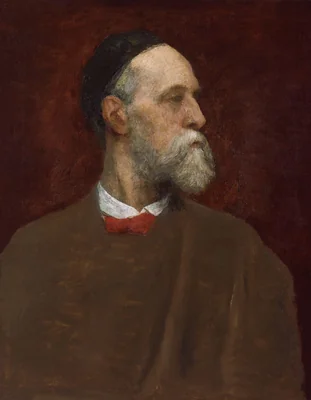
George Frederic Watts (1817-1904) stands as a towering figure in Victorian British art, widely celebrated in his era as a painter and sculptor deeply associated with the Symbolist movement. Known for his profound moral and spiritual investigations, Watts aimed to create art that transcended mere representation, functioning instead as universal allegories. His central artistic ambition centered on the "House of Life," an epic symbolic cycle intended to capture the spectrum of human emotion and aspiration through a standardized, universal visual language.
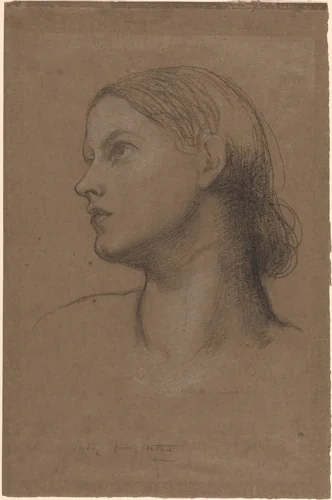
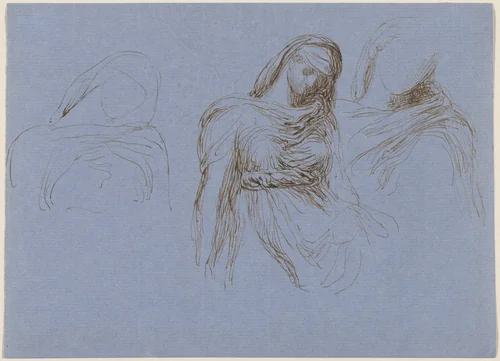
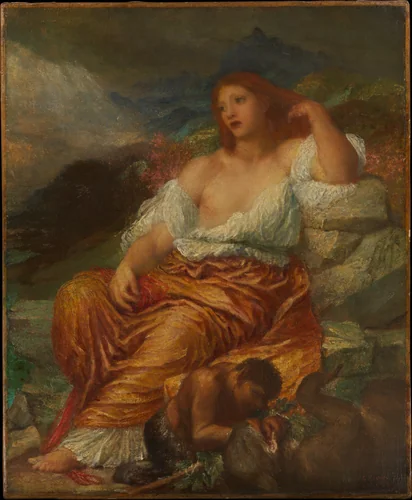
Works such as Hope and Love and Life exemplify this approach, depicting abstract concepts as noble, monumental forms. While these George Frederic Watts paintings are often considered the defining apex of his career, his philosophical gravity occasionally obscured the impressive technical facility underneath the moralizing surface. Watts’s technical range was significant; his active period, spanning from the 1860s through the 1890s, saw him produce intricate preparatory drawings, compelling portraiture, and history painting, alongside sculpture.
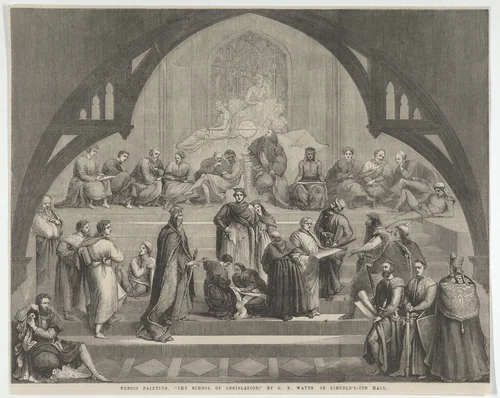
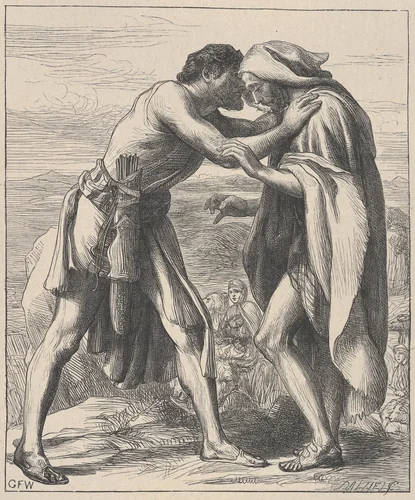
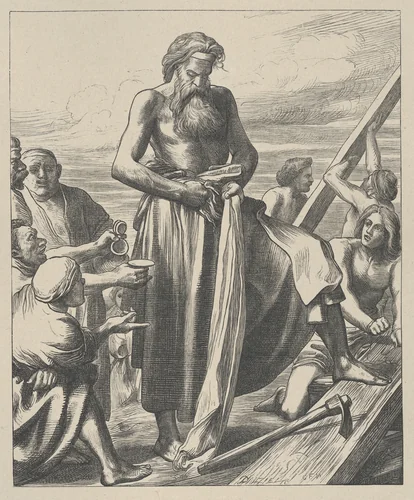
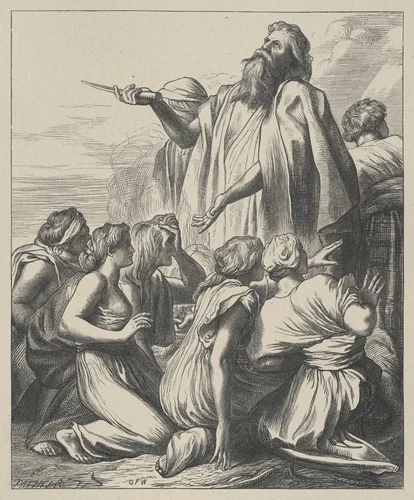
His commitments also extended to monumental public schemes, such as the grand fresco, The School of Legislation in Lincoln's-Inn Hall, a massive undertaking that was disseminated widely through high-profile publications like Illustrated London News. Watts’s prolific output across various forms ensured his wide reach. It is perhaps characteristic of the Victorian era's demand for high-minded content that a man famed for melancholic allegories also found time to illustrate weighty religious narratives, contributing meticulously rendered wood engravings, such as Esau Meeting Jacob and Noah Building the Ark, for Dalziels' Bible Gallery.
This wide engagement with commercial illustration, coupled with his prolific drafting, ensures that many of his powerful studies, including the striking Study of Death for "Time and Death," remain accessible today. His work is now frequently found as royalty-free downloadable artwork, making his unique Symbolist vision available globally. Watts’s sustained relevance ensured his entry into major North American collections early; his enduring vision, a synthesis of High Renaissance grandeur and contemporary philosophical weight, continues to be studied in depth, with significant examples of his work held by institutions including the Metropolitan Museum of Art and the National Gallery of Art.
Source: Wikipedia · CC BY-SA 4.0