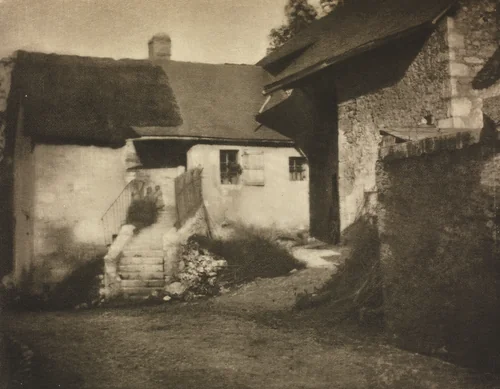
George Davison
George Davison (1854-1930) stands as a foundational figure in the history of English art photography, specifically known for his pivotal contributions to the international Pictorialist movement. Active primarily during the two transformative decades between 1890 and 1909, Davison helped redefine photography as a medium capable of personal expression, rather than mere documentation.
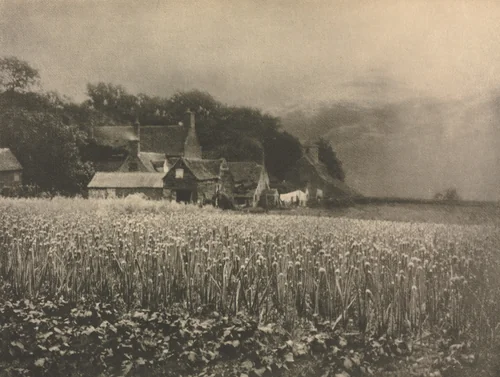
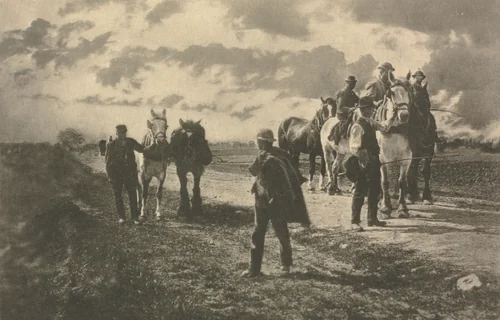
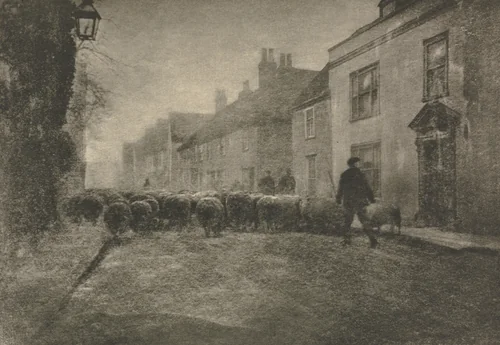
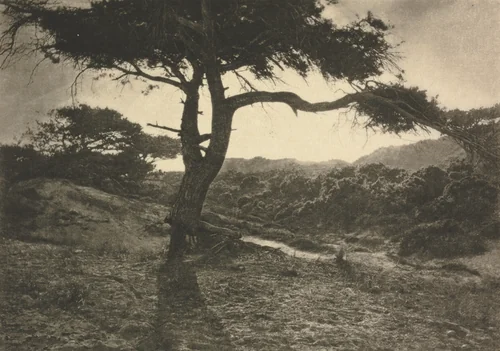
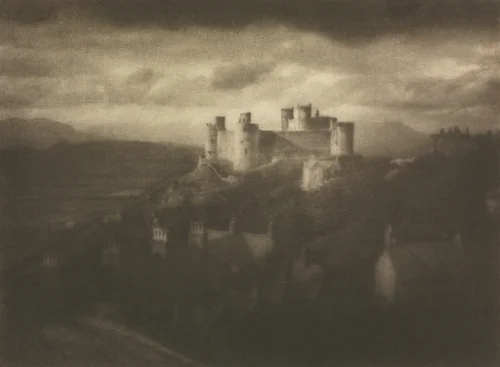
Davison was a primary advocate for the impressionistic, soft-focus aesthetic that characterized the movement. This approach, which prioritized mood and atmosphere over sharp detail, is powerfully evidenced in seminal early works such as the highly influential The Onion Field - 1890. Davison’s eye often focused on the subtle drama found in the rhythms of everyday English life, translating modest subjects into evocative visual statements. His compositions, including the detailed study Berkshire Teams and Teamsters and the quiet contemplation of In a Village under the South Downs, consistently sought to extract genuine emotional depth from the ordinary.
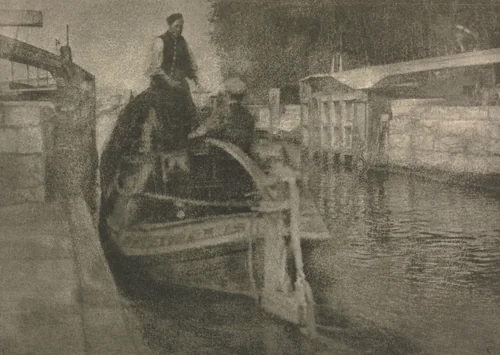
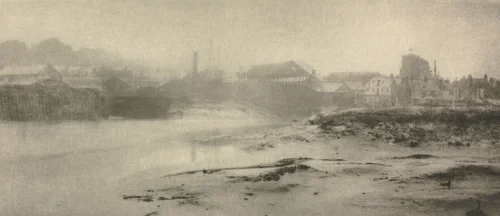
His international importance was cemented through publication in Alfred Stieglitz’s revered American journal, Camera Work. Davison’s inclusion in this elite circle, appearing in issues such as Number 18 in April 1907, confirmed his status alongside contemporaries like Steichen and Clarence White. Within Camera Work, intimate pieces like A Thames Locker demonstrated his mastery of tone and shadow. Today, these seminal images are viewed as touchstones of early modern photography, ensuring that museum-quality reproductions of Davison’s pioneering work remain accessible to researchers and collectors.
Davison’s dedication to the craft resulted in the publication of nine known books, underscoring his influence beyond exhibition walls. He had a remarkable knack for transforming labor into lyricism; his compositions convey a surprising tranquility, suggesting that the most difficult thing a working man did was simply wait for the camera to click. His works, held in notable institutions like the Cleveland Museum of Art, demonstrate the critical shift from objective record to emotional landscape. Many of these George Davison prints are now available in the public domain, encouraging new scholarship and appreciation of his atmospheric legacy.