George Cuitt
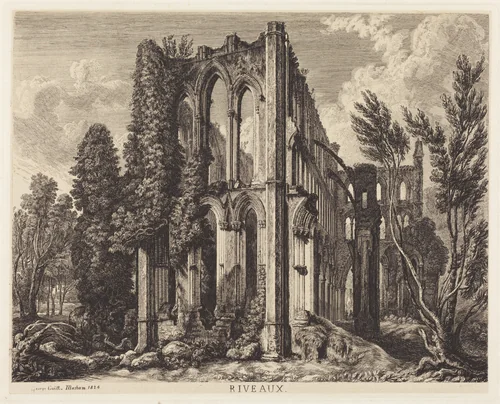
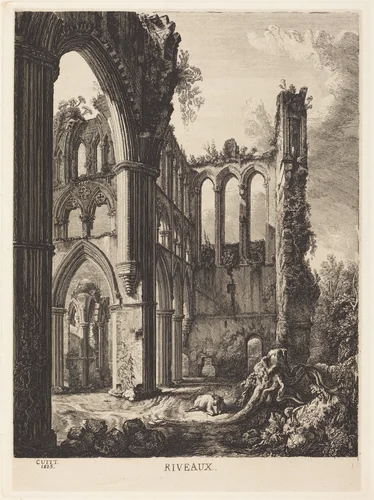
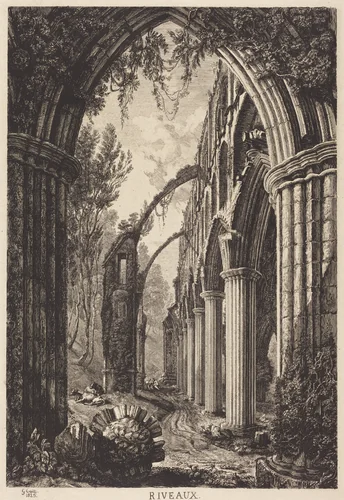
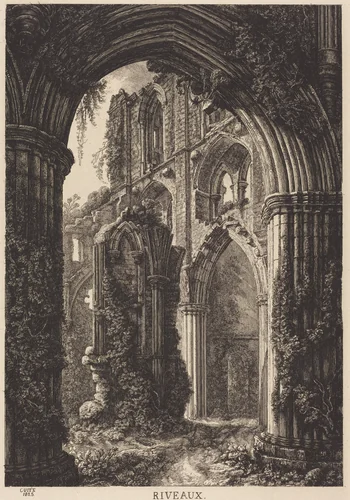
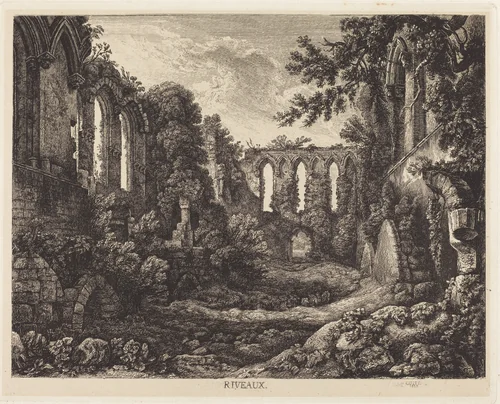
The artistic legacy of George Cuitt is defined by a generational commitment to draftsmanship, spanning the output of both George Cuitt the Elder (1743–1818) and George Cuitt the Younger (1779–1854). While the Elder established the family name as an English painter, it is primarily the Younger whose detailed architectural and topographical studies secured the family’s place in the history of British graphic arts. His primary artistic pursuit focused on capturing the decaying Gothic structures that dotted the British landscape during the early nineteenth century.
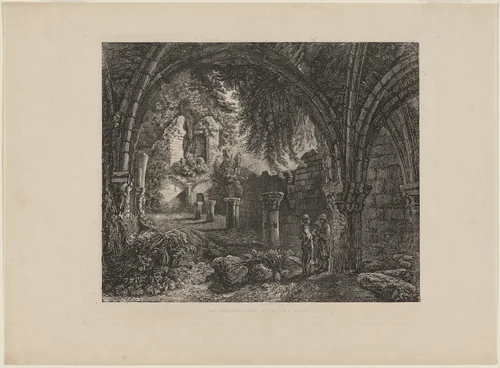
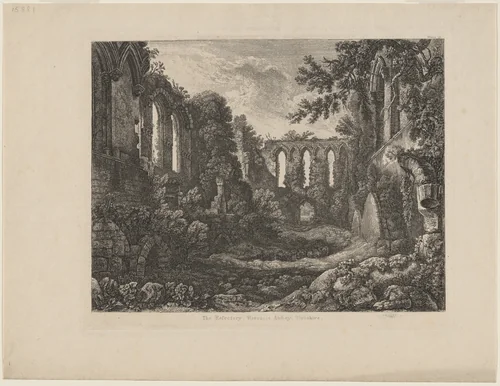
George Cuitt the Younger developed a signature style rooted in rigorous accuracy yet infused with the Romantic spirit of the era. His work consists predominantly of etchings and engravings; 12 known prints far outweigh his surviving original George Cuitt paintings. These images served not merely as documentation but as evocative visual reflections on time and structural decay, aligning perfectly with the burgeoning interest in the picturesque aesthetic of the Regency period.
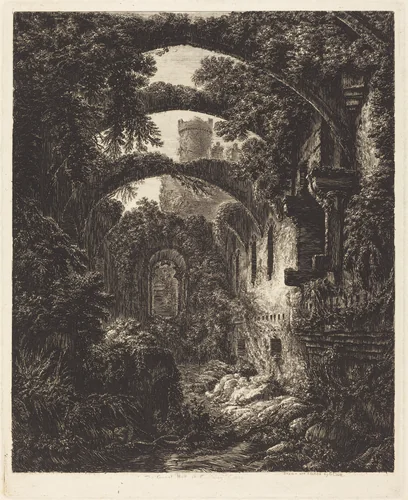
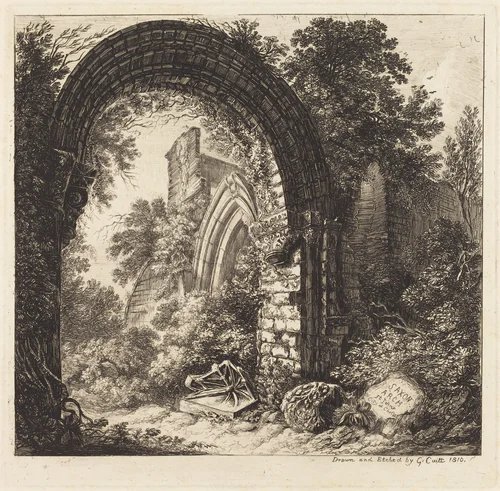
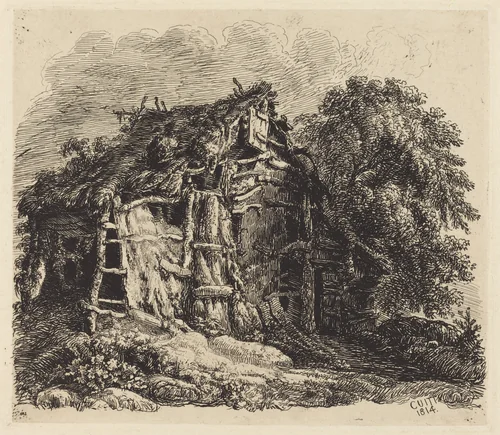
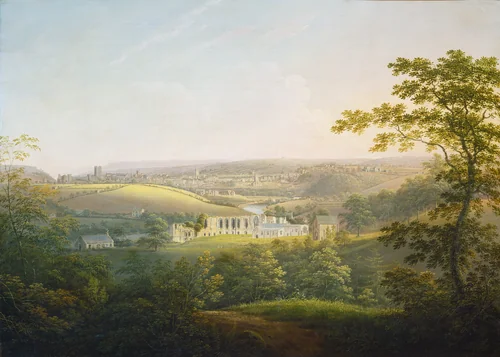
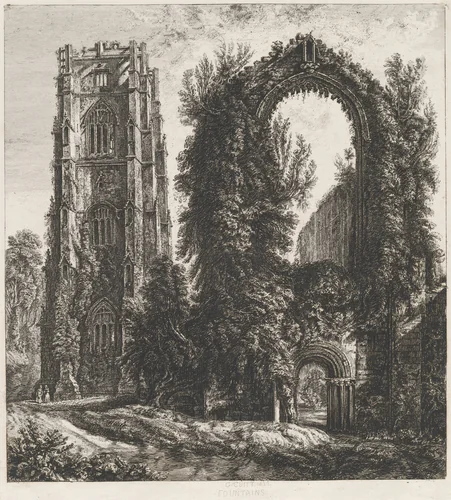
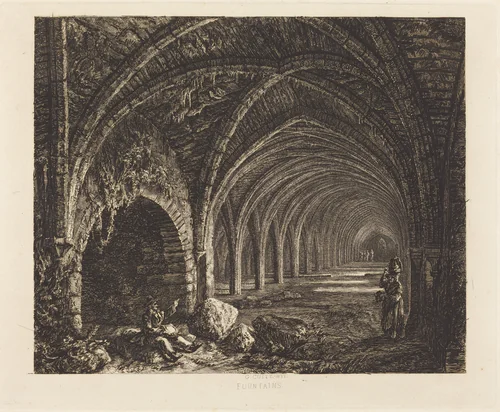
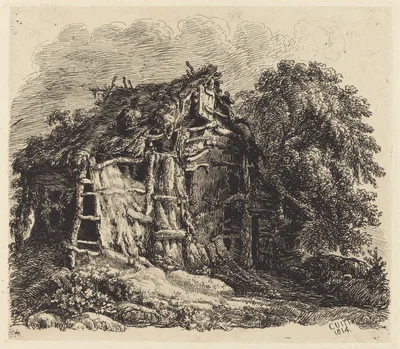
The subjects he selected spanned the sublime grandeur of military fortifications and the subtle elegance of ecclesiastical ruins. Key examples, such as The Great Hall at Conway Castle and the structurally precise draftsmanship seen in Saxon Arch, reveal his mastery of line work and dramatic light and shade. Cuitt excelled at depicting the rugged textures of ancient stone, whether illustrating the scale of monastic architecture in Fountains or capturing the humility of a remote dwelling like the Welsh Hovel at Machynllaeth.
Operating during a time when the British aristocracy sought nostalgic records of ancient heritage, Cuitt’s atmospheric approach proved immensely popular and provided a valuable visual archive that continues to be referenced today. It is perhaps ironic that an artist whose fame rests on recording the vanishing past published his own works entirely during the dynamic first half of the nineteenth century. His devotion to documentation ensured the survival of these architectural records. Today, these historical images are frequently sought after as high-quality prints and downloadable artwork. Preserved in collections like the National Gallery of Art, many George Cuitt prints have entered the public domain, allowing contemporary viewers unfettered access to these definitive records of Britain’s ruined heritage.
Source: Wikipedia · CC BY-SA 4.0