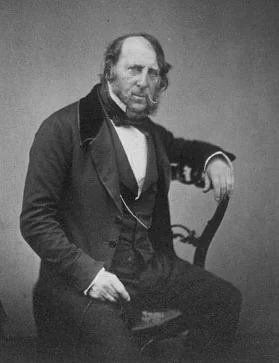
George Cruikshank
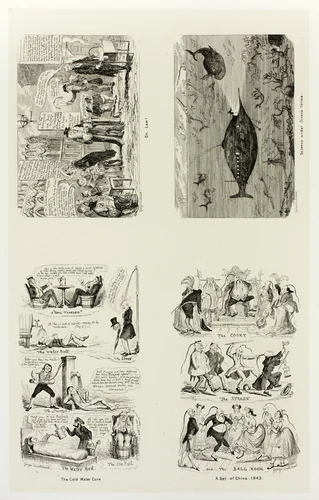
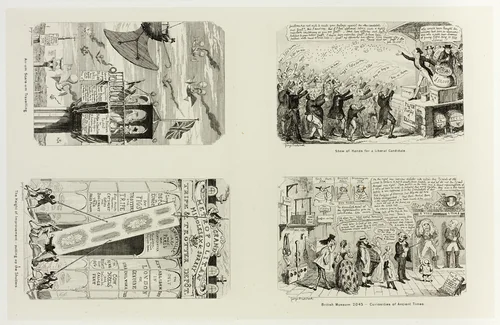
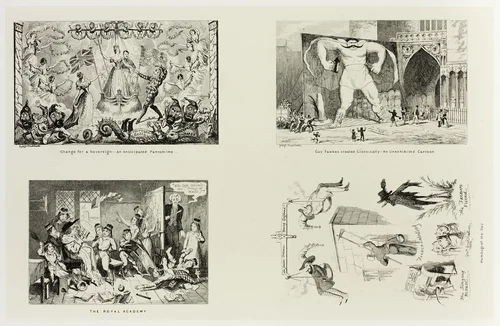
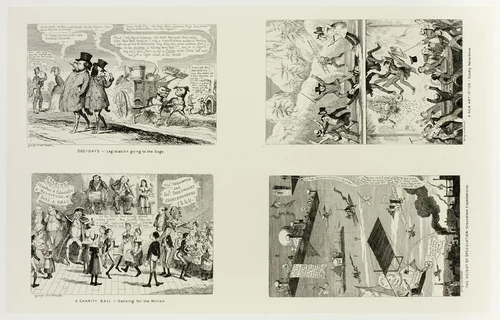
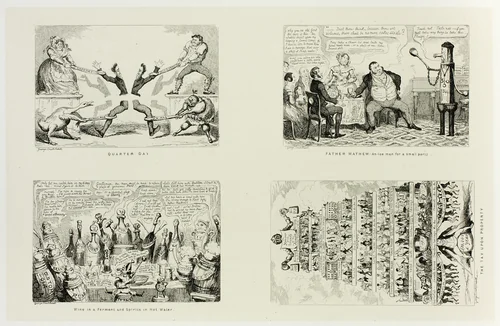
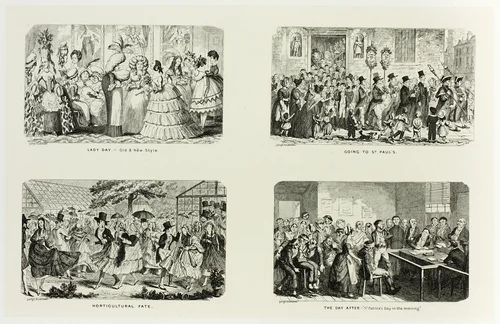
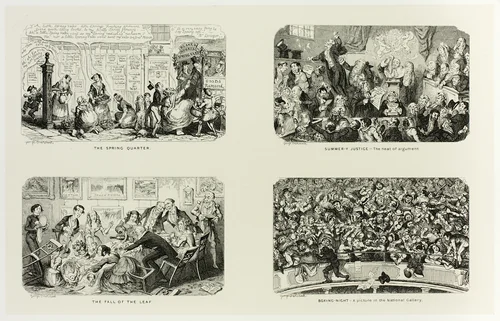
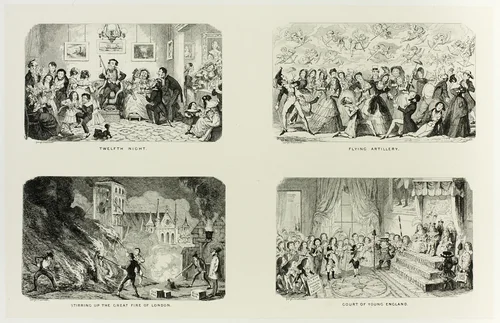
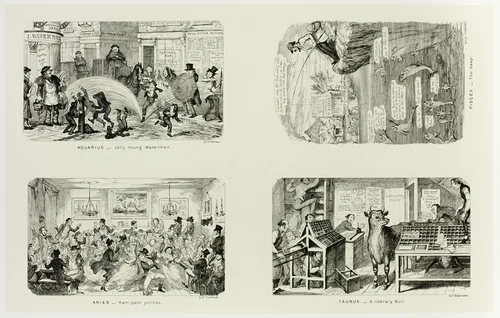
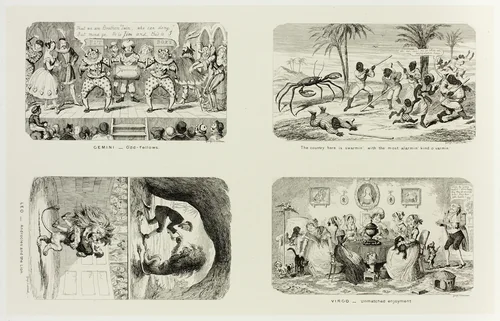
George Cruikshank, praised during his prolific career as the "modern Hogarth," established himself as the preeminent British visual satirist and graphic artist of the early 19th century. Cruikshank’s initial fame rested on his political and social commentary delivered through savage, highly detailed caricature. His early drawings, such as Expected--alarming rise in the price of soap!, showcase his capacity for combining humor with acute observation, directly addressing contemporary anxieties surrounding poverty, morality, and public policy.
Cruikshank’s enduring significance, however, is cemented by his mastery of book illustration, a genre he helped elevate commercially and artistically. His work with his friend Charles Dickens, beginning with Sketches by Boz and most famously including the iconic illustrations for Oliver Twist, secured him an international audience. Unlike many contemporaries, Cruikshank often visualized characters with such precise and energetic flair that his interpretations became definitive in the public imagination, establishing a powerful visual synergy between the textual and narrative elements.
The subtle competition between author and artist often characterized Cruikshank’s professional life; his visuals were sometimes so vibrant and overwhelming that authors felt their narrative was being upstaged, a fascinating testament to the immediate power of his graphic language.
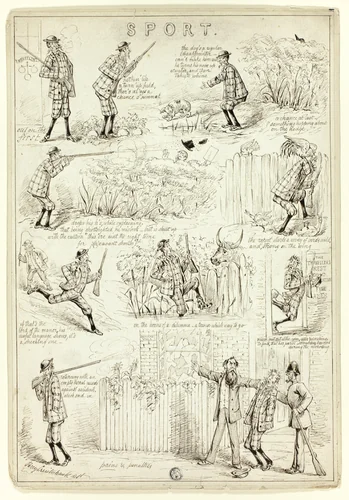
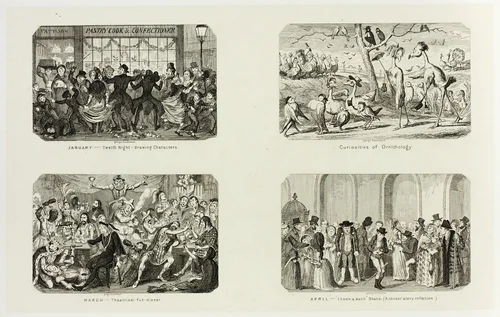
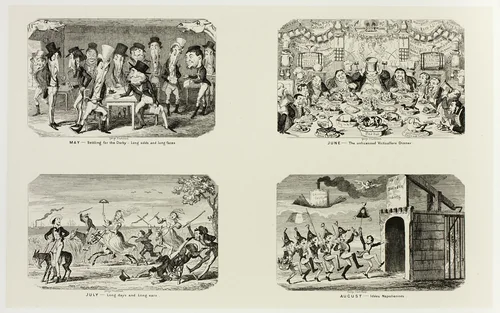
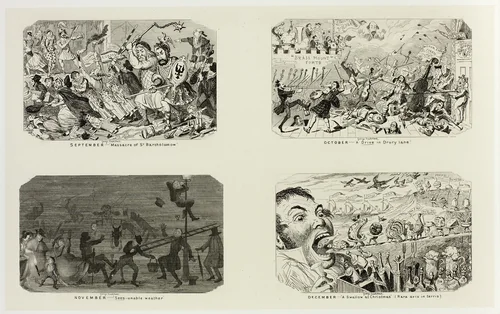
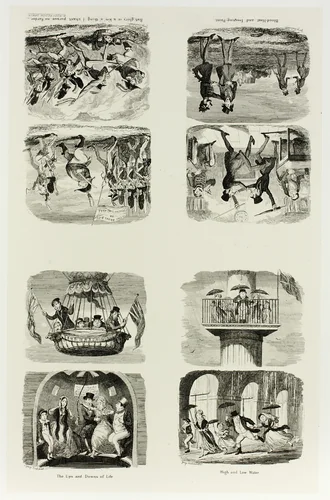
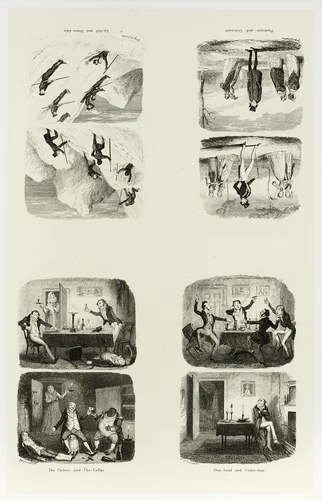
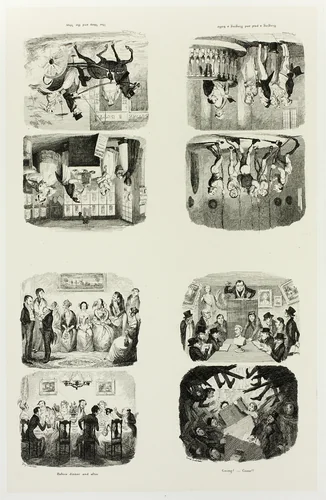
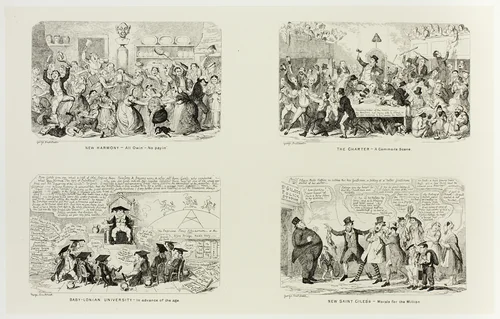
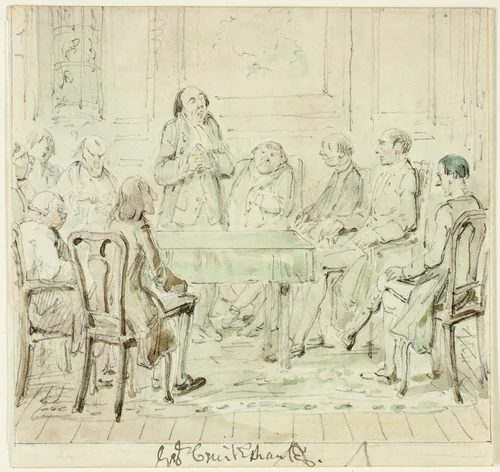
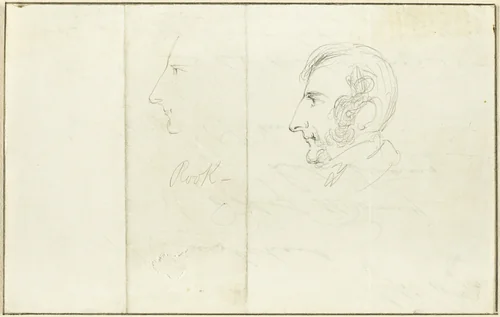
While primarily celebrated for his extensive body of graphic work, including detailed pen-and-ink studies like Half-Length of a Lawyer and Other Sketches and hundreds of etchings resulting in George Cruikshank prints, his output was comprehensive, encompassing drawings, engravings, and even a small number of surviving oil paintings. His style is characterized by a distinctive combination of grotesque energy, kinetic line-work, and meticulous detailing, traits that cemented his position as the most sought-after illustrator of the age.
Today, the breadth of Cruikshank’s influence and technical skill is preserved in major institutional holdings, including the Cleveland Museum of Art, the Art Institute of Chicago, and the Metropolitan Museum of Art. Much of his vast output is now considered part of the public domain, allowing institutions worldwide to offer researchers and enthusiasts downloadable artwork and high-quality prints for study and enjoyment.
Source: Wikipedia · CC BY-SA 4.0