George Constantine
George Constantine is distinguished for his precise and vital contribution to the Index of American Design (IoAD), one of the largest and most significant visual undertakings of the Works Progress Administration (WPA) during the American Great Depression. Operating primarily between 1935 and 1939, Constantine was among a select group of artists tasked with creating a comprehensive visual inventory of American decorative arts and folk crafts dating prior to 1890.
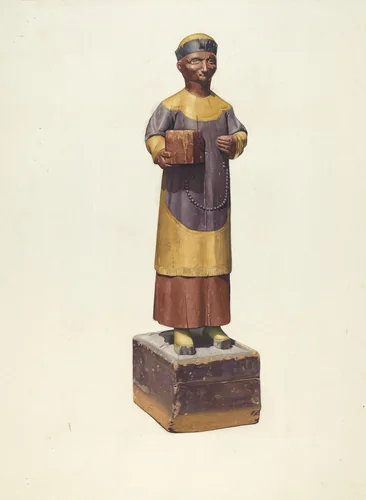
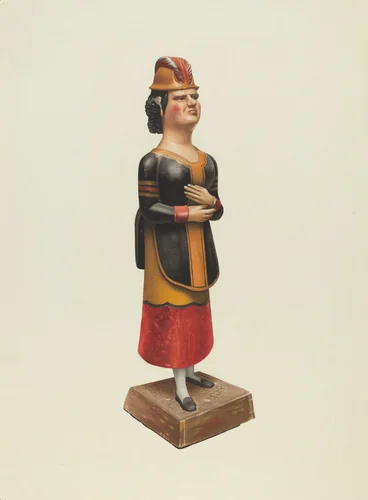
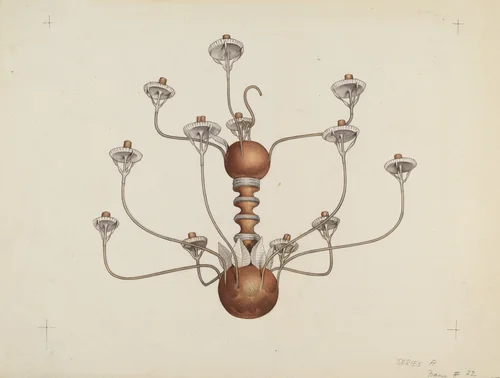
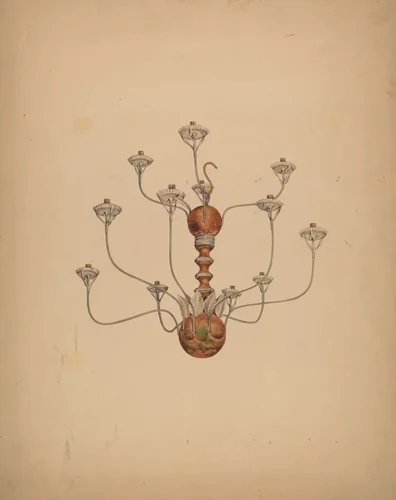
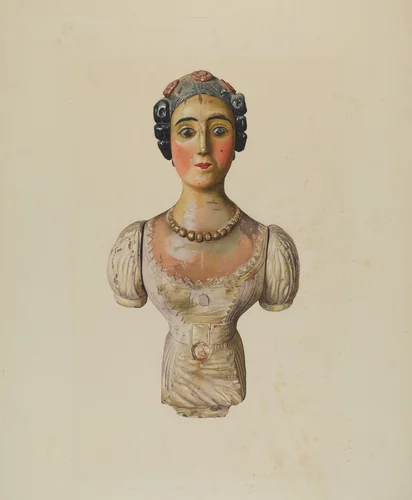
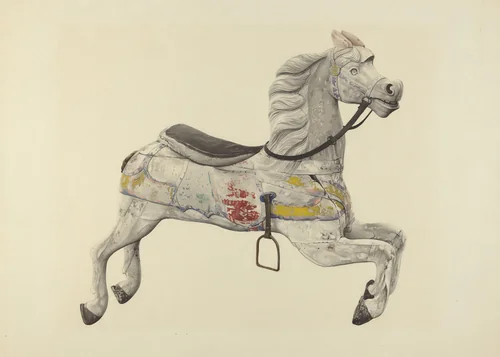
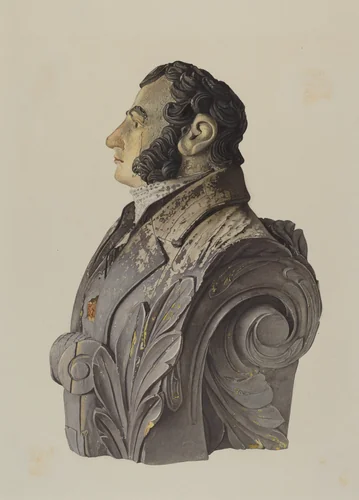
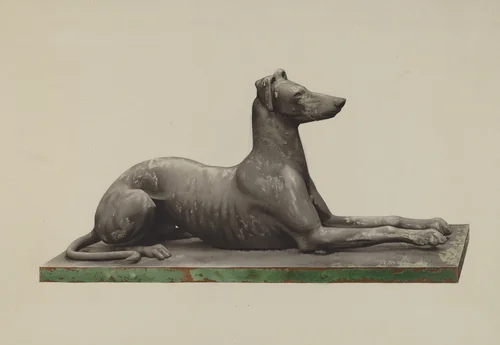
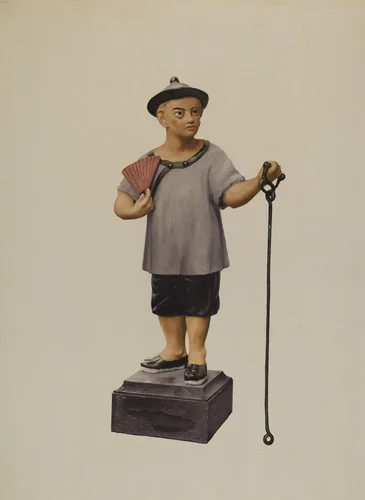
The IoAD project aimed not merely to photograph, but to meticulously render, often in high-detail watercolor, graphite, or tempera, thousands of objects that represented the nation's often overlooked material history. Constantine’s documented output includes approximately fifteen designs, focusing intensively on the documentation of textiles and practical Shaker items. His contributions reveal an exacting dedication to preserving the quiet geometry of early American communal life.
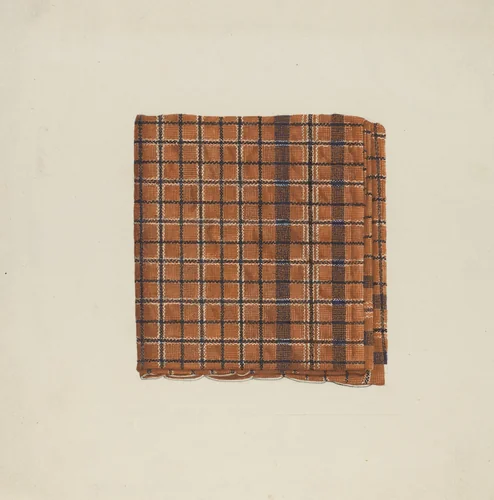
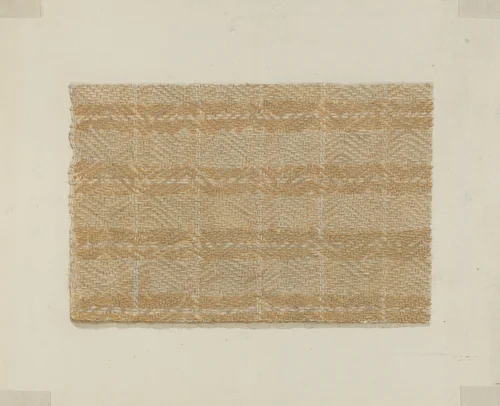
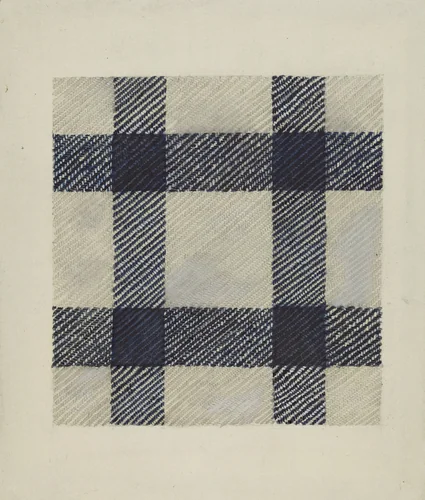
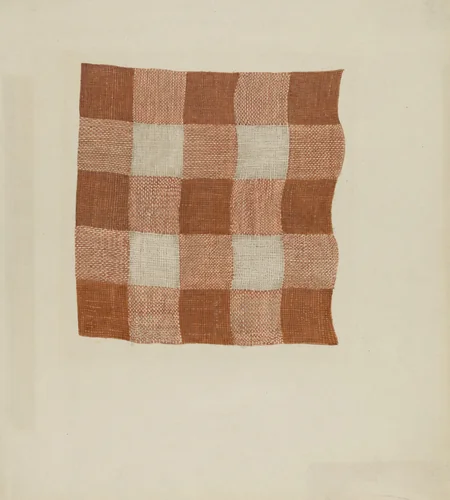
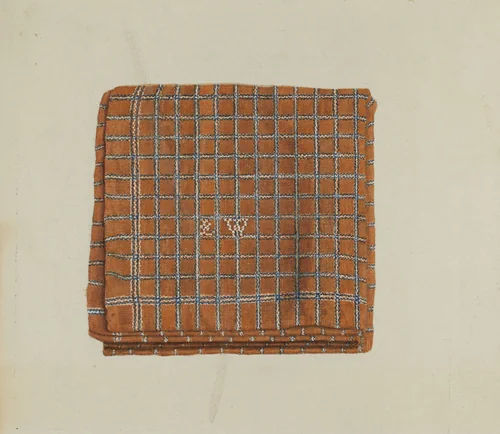
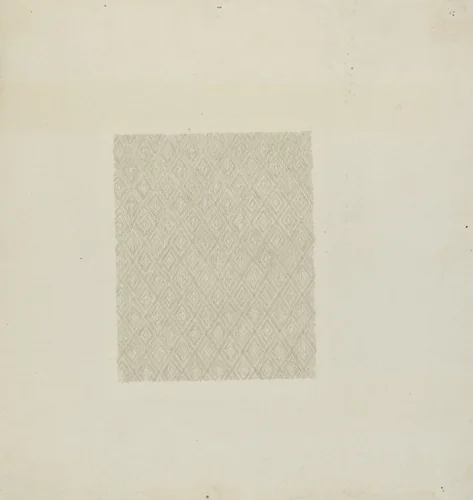
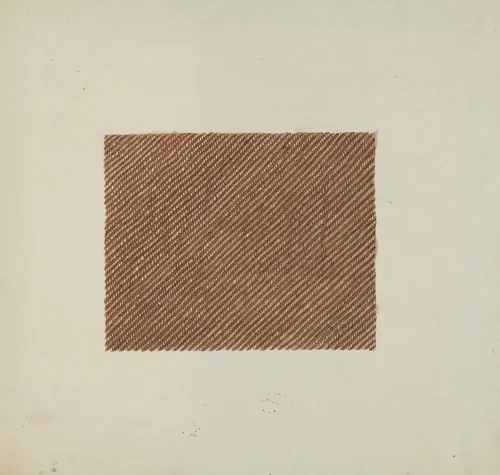
Works such as the detailed rendering of a Shaker Bedspread, the simple, functional Shaker Linen, and the design for a Shaker Man's Handkerchief demonstrate an acute fidelity to pattern, texture, and color. The intensive focus on accuracy, required to recreate a historical object as an idealized, permanent drawing, correcting for minor wear or staining, suggests a designer with a profound appreciation for geometric integrity and historical preservation. It is a subtle irony that such highly detailed work often ensures the integrity of the historical object while simultaneously obscuring the identity of the talented artist who documented it.
Today, the entirety of the IoAD collection, including Constantine’s 15 designs, is housed at the National Gallery of Art. While his activity did not focus on traditional canvas George Constantine paintings, his technical renderings hold immense value. These exceptional museum-quality documents are now widely available as downloadable artwork, providing essential reference points for historians and contemporary designers seeking royalty-free historical patterns. Constantine’s highly focused artistic activity across these four crucial years cemented a legacy based not on spectacle, but on invaluable, detailed preservation.