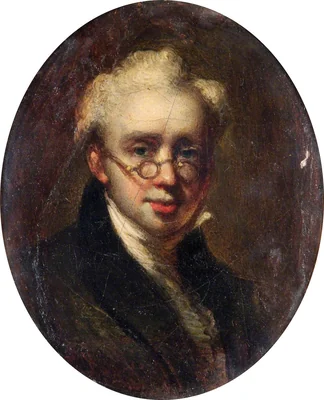
George Chinnery
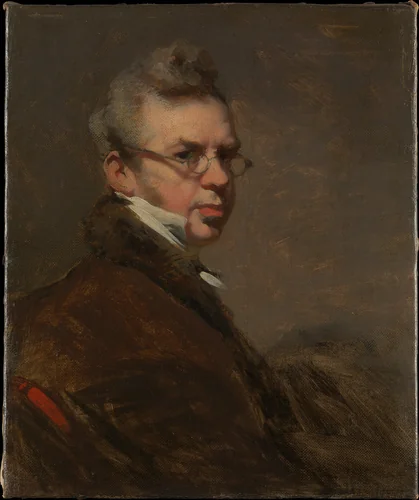
George Chinnery (1774-1838) holds a singular and important place in the history of British painting, primarily known for defining the visual lexicon of early 19th-century Asia. The English artist departed Europe early in his career, choosing to spend the majority of his long active period chronicling the cultures and environments of the subcontinent and southern China. This self-imposed expatriation provided him with unique observational opportunities rarely afforded to his contemporaries, positioning his œuvre as a vital historical record.
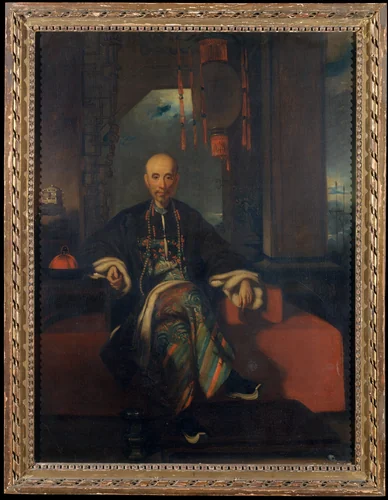
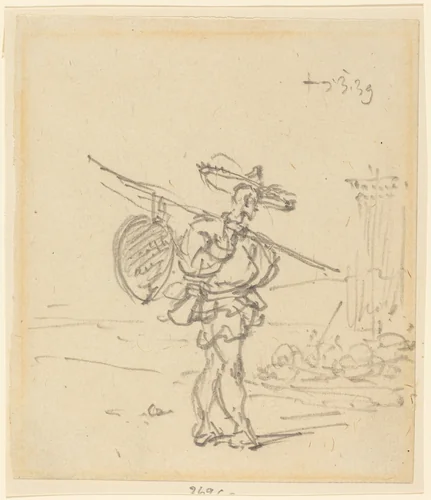
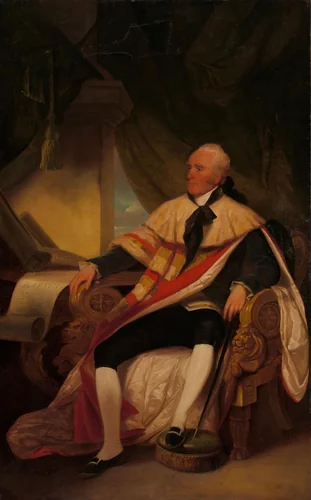
Chinnery worked prolifically across drawing and painting, though his exceptional facility for line work is evidenced by the numerous surviving studies now housed in major institutions, including the National Gallery of Art, the Metropolitan Museum of Art, and the Rijksmuseum. His primary output centered on precise portraiture and scenes of daily life that vividly captured both colonial figures and the local populations. Examples include the assured portrait of Admiral Sir Edward Pellew and his intimate, character-driven study, A Chinese Peasant.
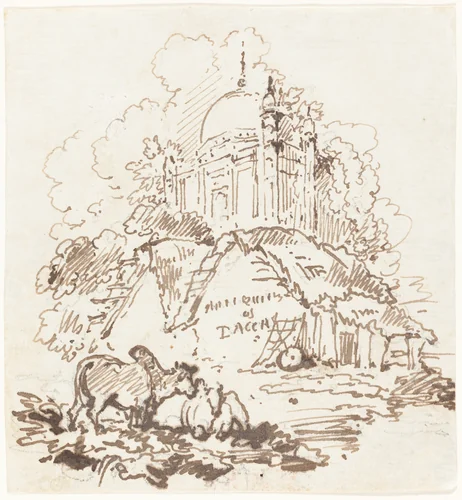
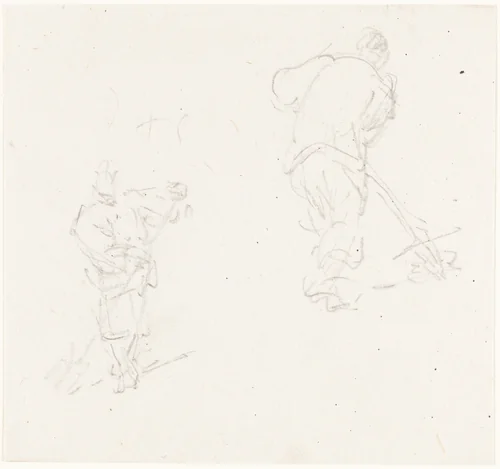
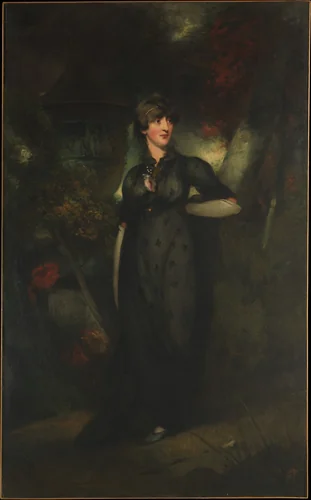
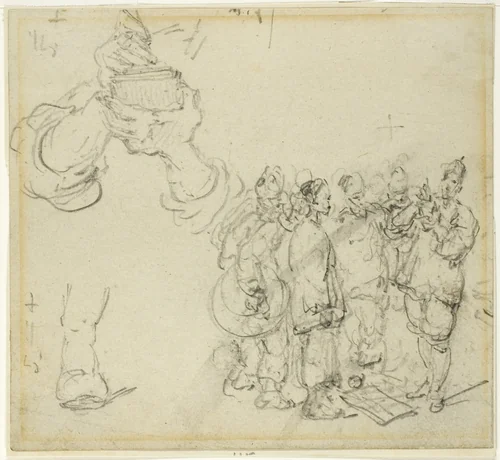
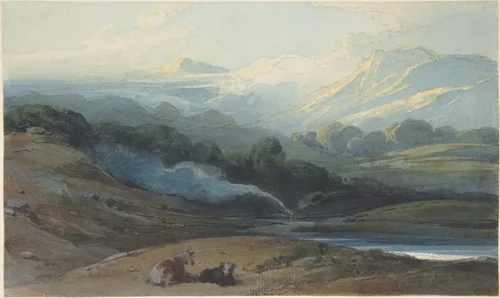
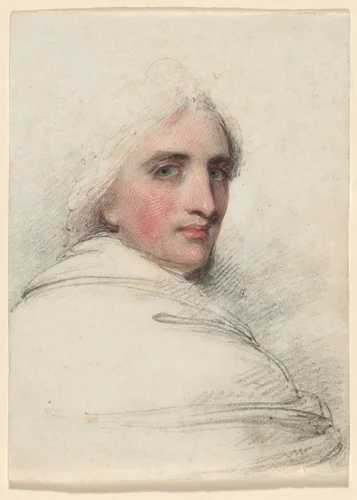
His formal rigor is particularly visible in detailed preparatory works such as Sheet of Studies: Hands and Group of Oriental Figures, an exercise in observational precision essential for developing comprehensive compositions like Cattle resting in a mountainous landscape, Bengal. Chinnery's capacity to render light and atmosphere across the vast spaces of India and the bustling ports of Canton and Macao established a standard for documentary realism that profoundly influenced subsequent artists traveling through the East. His work, which also includes the refined portrait of Mrs. Whaley (died 1798, Isle of Man), offers invaluable, detailed insight into a pivotal period of cultural exchange.
Chinnery’s career trajectory—moving frequently between Calcutta, Macao, and Canton—was perhaps less about seeking new artistic inspiration and more about maintaining a prudent distance from financial entanglements, a familiar if colorful pattern for itinerant artists of the era. Nevertheless, the sustained quality of his work ensures his legacy. Today, many important George Chinnery paintings and sketches are available in the public domain, ensuring that access to high-quality prints and downloadable artwork from these museum-quality collections remains open for scholars and enthusiasts worldwide.
Source: Wikipedia · CC BY-SA 4.0
![A Village Hut in India [recto] by George Chinnery, drawing, 1814-1824](https://img.artbee.org/fe4cd261-e0a8-432e-87b5-6bf56f49f88d/small.webp)
![A Village Scene in India [verso] by George Chinnery, drawing, 1814-1824](https://img.artbee.org/1ca4e8c4-cbdd-4705-a469-c1cd5548c44a/small.webp)