George Caleb Bingham
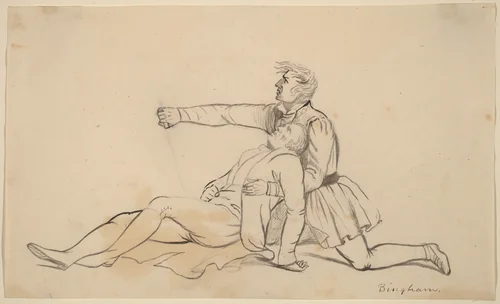
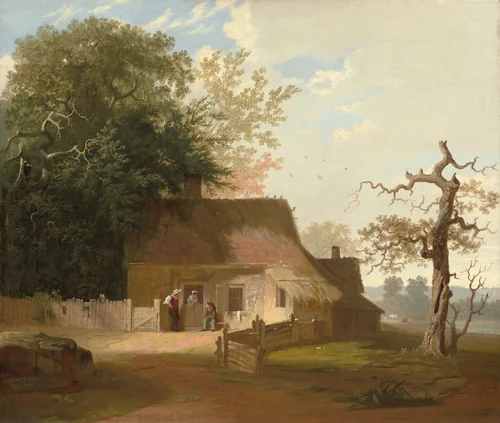
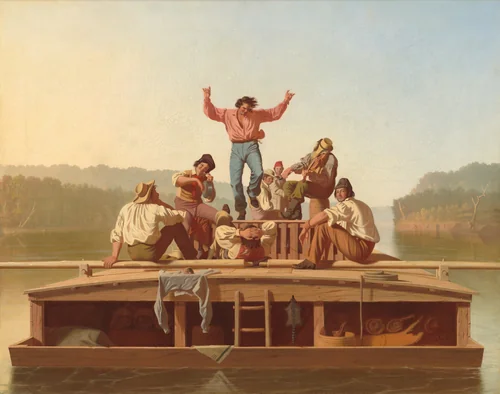
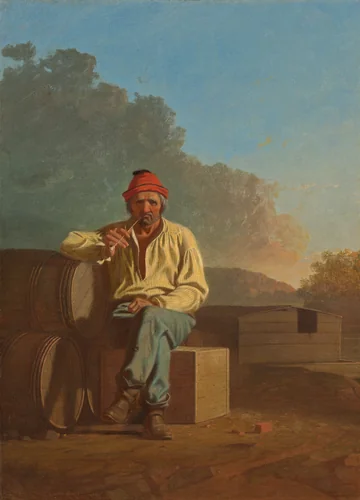
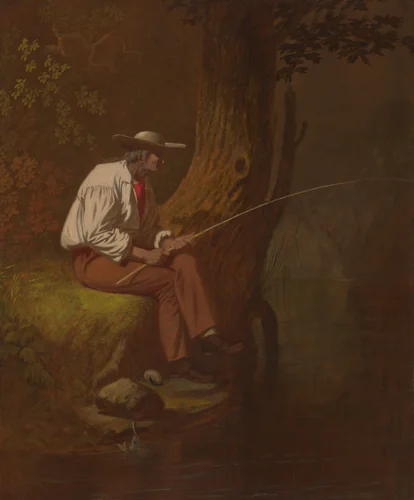
George Caleb Bingham (1811-1872) earned the lasting moniker "the Missouri Artist" for his defining depictions of American frontier life in the mid-nineteenth century. His paintings are pivotal documents of westward expansion, capturing the transient commerce and social structure of the Missouri River with an idealized, tranquil light. Bingham’s technique, characterized by meticulous detail, clarity, and smooth surfaces, places his finest work firmly within the American Luminist tradition. Unlike contemporaries who focused on the drama of unpopulated wilderness, Bingham chose the shared space of the river, lending an almost classical dignity to rugged subjects like the flatboatmen and fur traders who served as the lifeblood of the developing West.
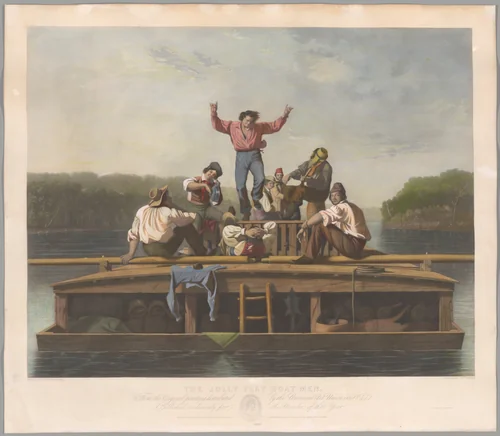
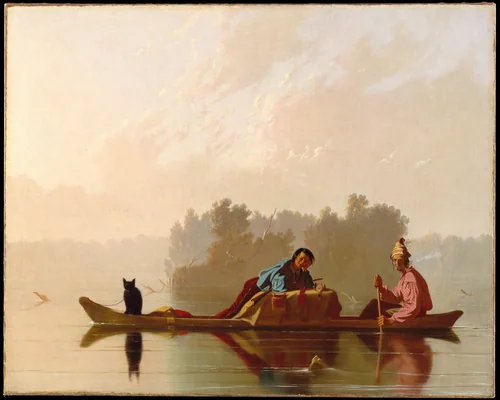
Paintings such as Fur Traders Descending the Missouri (c. 1845) and the widely disseminated print The Jolly Flatboatmen (1846) established his reputation. These compositions are celebrated for their balanced structure and the masterful handling of atmospheric perspective, creating scenes that feel both immediate and timeless. His works offer a crucial visual record of nineteenth-century American transport and labor, holding significant historical as well as aesthetic value. Today, seminal George Caleb Bingham paintings are held in prestigious institutions, including the National Gallery of Art and the Metropolitan Museum of Art, with many works now accessible as high-quality prints through public domain collections.
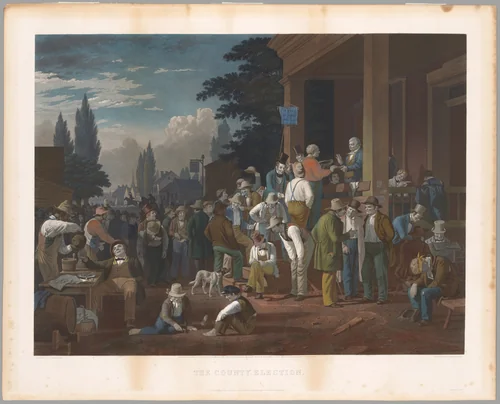
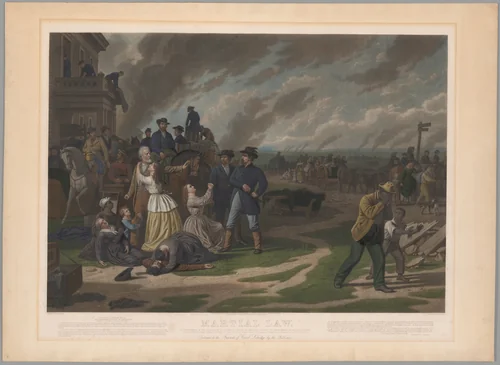
Bingham’s career was unusually divided between the studio and the political arena. Initially aligned with the Whig party, he served as a delegate to the Missouri legislature, fiercely opposing the extension of slavery westward. This dedication to the Union cause persisted during the Civil War, where the Virginian-born artist raised a volunteer company that was instrumental in preventing Missouri from joining the Confederacy. A lesser-known fact about Bingham is the sheer breadth of his subsequent public service; following the conflict, he traded his military commission for four years as Missouri’s State Treasurer, later holding several high-ranking municipal and state posts, including Adjutant General. He possessed the rare ability to compose a harmonious river scene and balance a state budget with seemingly equal proficiency.
Source: Wikipedia · CC BY-SA 4.0