George Baxter
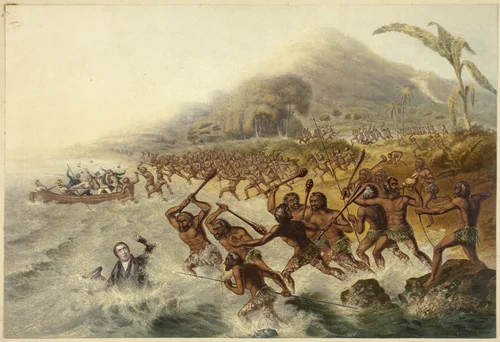
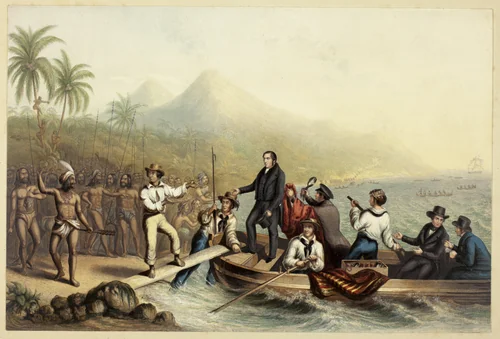
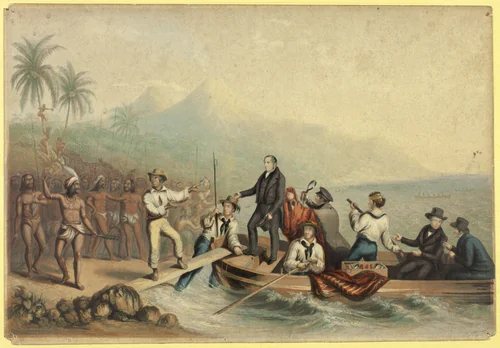
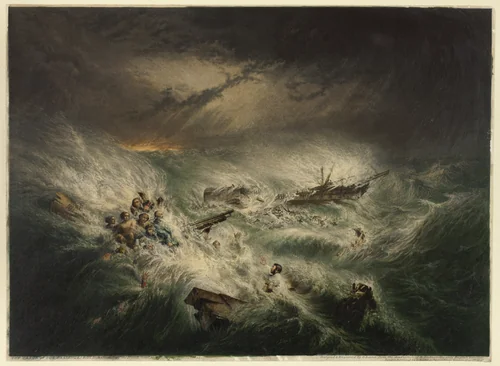
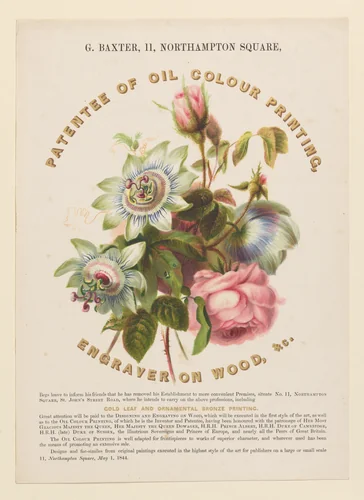
George Baxter (1804-1867) established his formidable reputation in London as a pioneering English artist and printer, whose influence stretched across both fine art reproduction and mass media in the nineteenth century. Active primarily between 1824 and 1853, his significance rests largely on the development and patenting of the Baxter Process, a technically demanding method of color printing that combined an intaglio key plate with multiple color wood blocks. This innovation drastically expanded the availability of complex, detailed, high-quality prints during the mid-Victorian era.
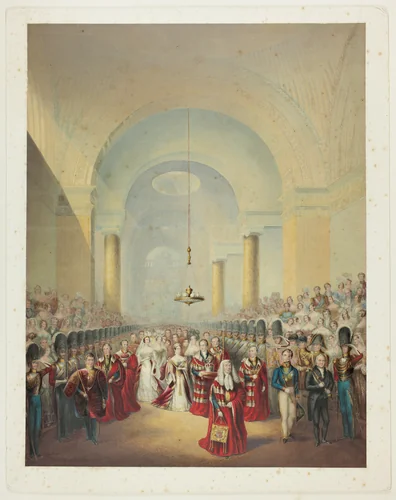
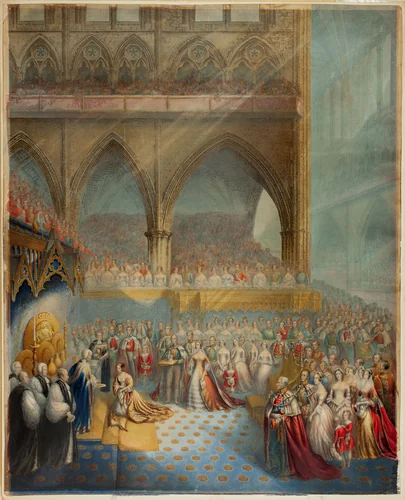
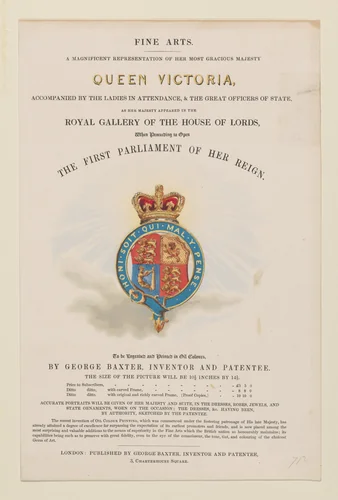
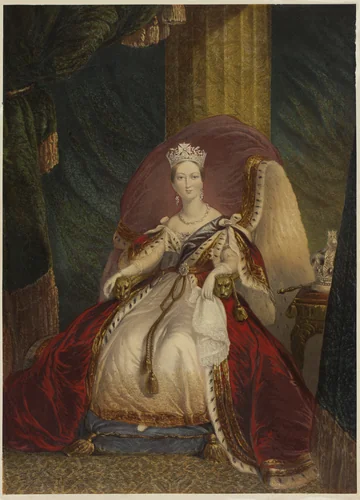
Baxter’s early success was anchored in documenting high-profile political and ceremonial events for a burgeoning public hungry for accessible visual reportage. Examples of this official output include the striking historical records Arrival of Her Most Gracious Majesty at House of Lords to Open First Parliament of her Reign and the grand ceremonial piece Her Most Gracious Majesty Queen Victoria Receiving the Sacrament at her Coronation. These works functioned as essential visual documents, serving as predecessors to modern photojournalism.
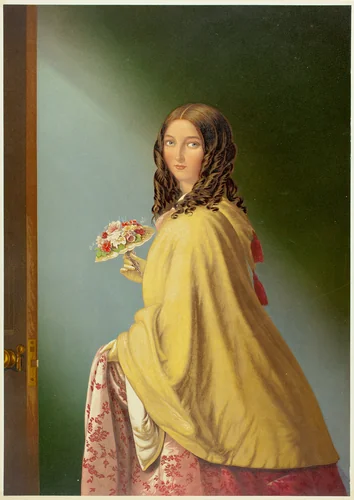
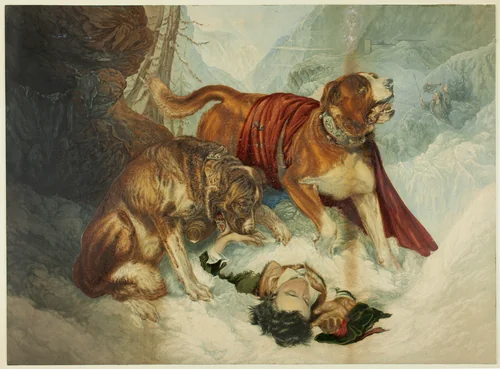
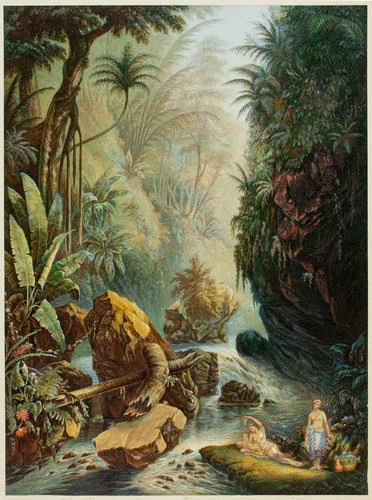
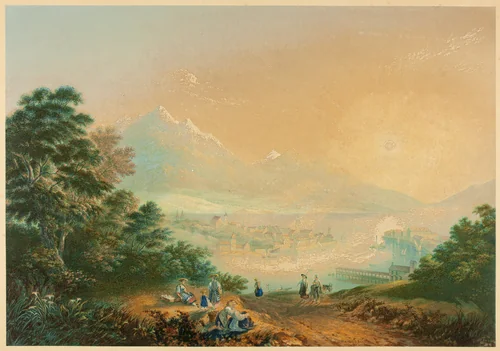
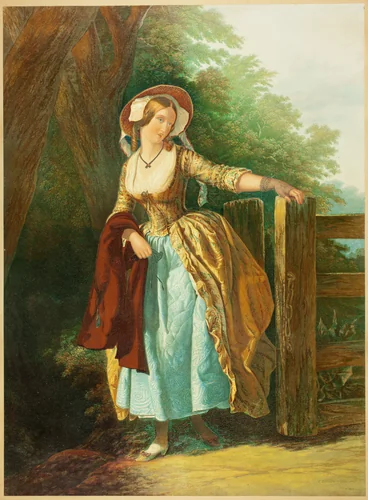
The range of his output, however, extended far beyond statecraft. Baxter was equally adept at producing sentimental genre scenes, such as The Bridesmaid, and evocative, picturesque views. His scenic work, including The Mountain Stream and the wildly popular The Dogs of St. Bernard, indicates the broad commercial reach and appeal of his patented technique among the middle classes. While the meticulous nature of the Baxter Process yielded prints of extraordinary depth and clarity, the technical complexity involved in registering the multiple plates was so demanding that few competitors or successors could successfully replicate the delicate quality of his results.
Today, Baxter is rightly recognized as a crucial figure in the history of chromolithography. Collections such as the Metropolitan Museum of Art, the Art Institute of Chicago, and the Rijksmuseum hold his works, underscoring his enduring importance. Many historically significant George Baxter prints are now available for study and enjoyment as public domain resources, ensuring that the legacy of this color printing pioneer remains accessible to a global audience.