George Auriol
George Auriol, born Jean-Georges Huyot, stands as an essential figure in the French fin de siècle, defining the graphic and typographic aesthetics of Art Nouveau across media. Active primarily between 1889 and 1912, Auriol distinguished himself not only as a poet and songwriter but fundamentally as a graphic designer and type designer who skillfully merged literary sensibility with visual innovation. This remarkable versatility positioned him as a key cultural force during Paris’s decorative and aesthetic evolution.
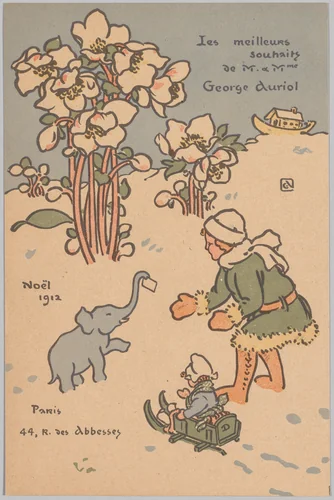
A graphic designer of exceptional dexterity, Auriol channeled the flowing, organic lines of the movement into practical applications for the flourishing print culture. His output was vast, encompassing detailed illustrations for the covers of magazines, books, and popular sheet music, along with highly stylized personal and commercial identities, including unique monograms and complex trademarks. This simultaneous mastery of high-culture illustration and corporate branding remains a defining facet of his modernity.
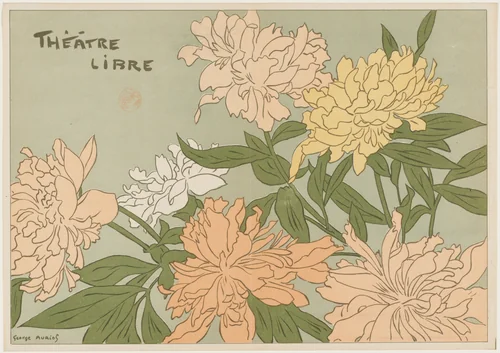
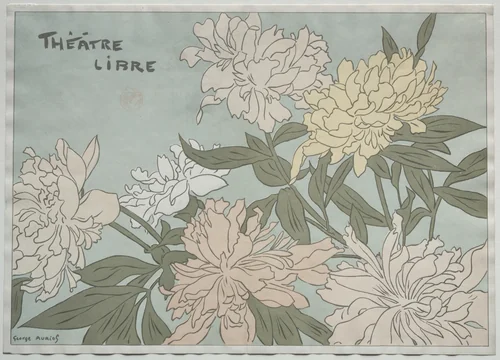
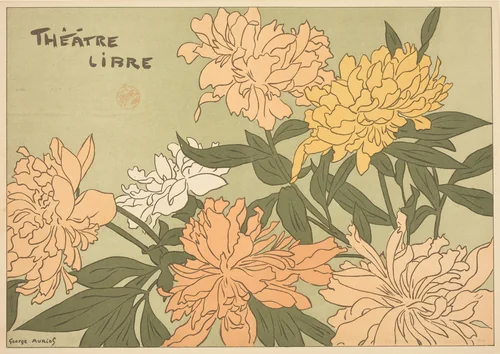
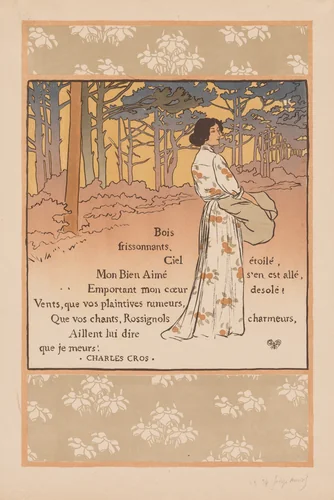
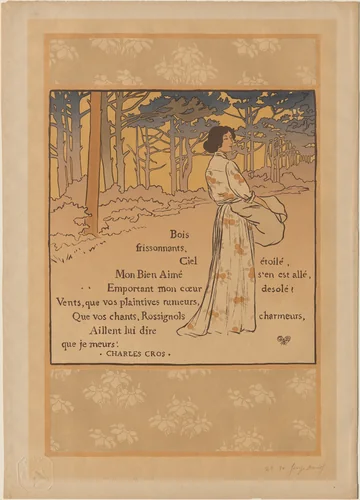
Auriol was a pioneering figure in integrating Art Nouveau aesthetics into typography, fundamentally altering the interplay between text and image. His prints range from ephemeral, yet bold, theatre documentation, exemplified by the program "Myrane" et "Les Chapons" for the Théâtre Libre, to serene and introspective studies of nature, such as the evocative print Trembling Woods (Bois frissonnants). His capacity to execute works that moved seamlessly between these two poles is arguably his greatest artistic achievement.
Today, Auriol’s significance is maintained in major institutional holdings, with works preserved in the collections of the National Gallery of Art and the Cleveland Museum of Art. Because many of his George Auriol prints were widely disseminated during his lifetime, a significant body of his visual work is now part of the public domain, ensuring that high-quality prints and downloadable artwork remain accessible for contemporary scholarship and appreciation.
Source: Wikipedia · CC BY-SA 4.0