George Augustus Sala
George Augustus Sala (1828-1895) stands as a monumental figure in Victorian literary history, yet his concise output in the visual arts offers a unique, satirical lens on the pivotal social shifts of the 1850s. Though famed primarily for his prolific journalism as G. A. S. for the Illustrated London News and his influential leading articles for The Daily Telegraph, his early career included a sharp, immediate engagement with print culture.
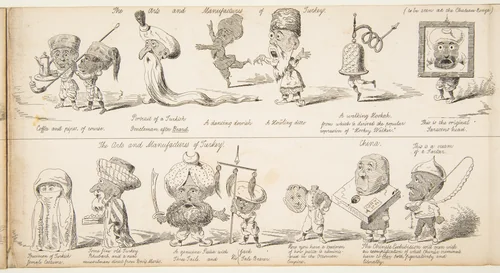
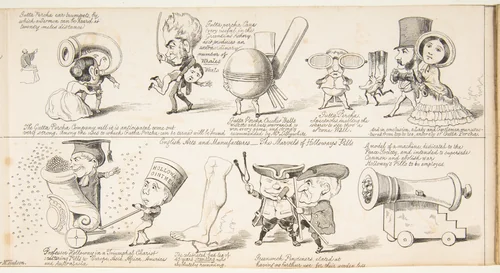
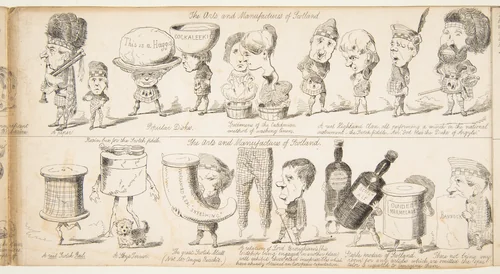
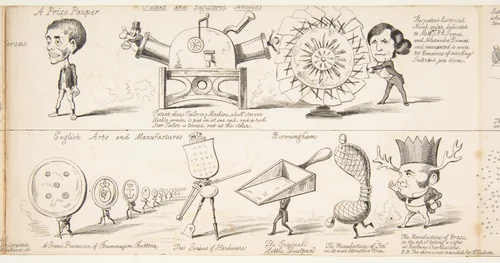
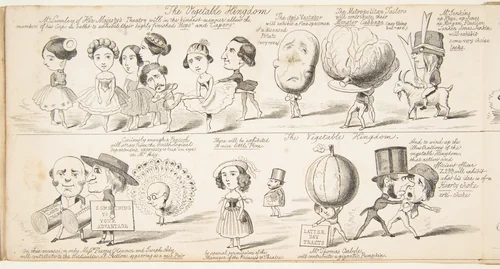
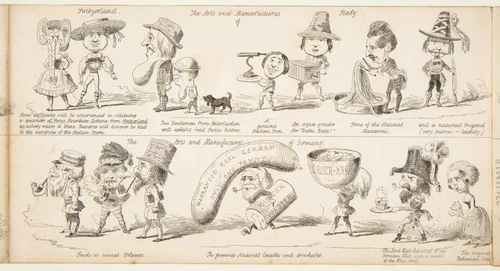
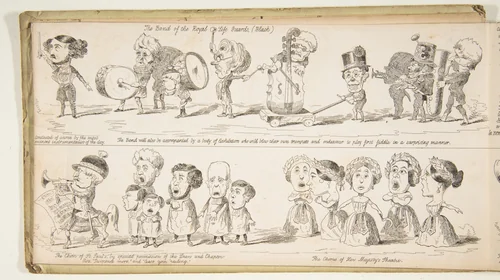
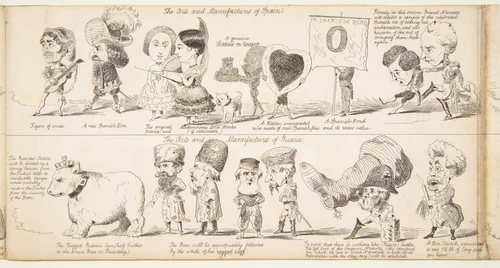
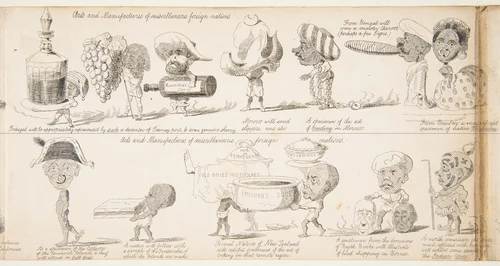
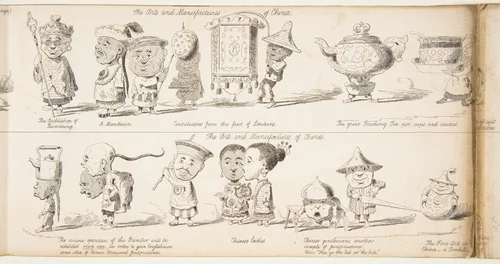
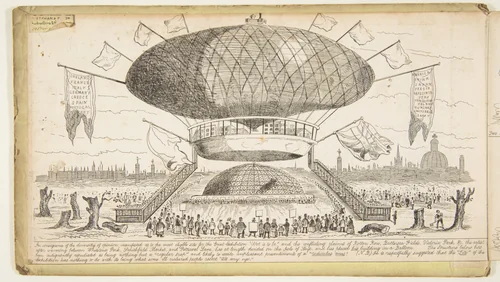
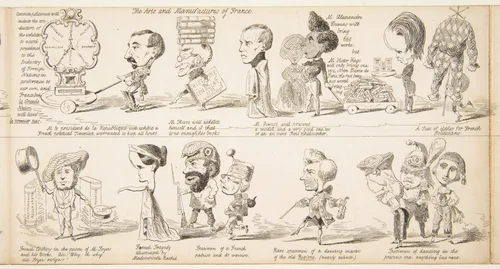
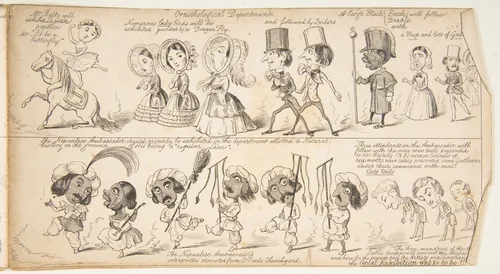
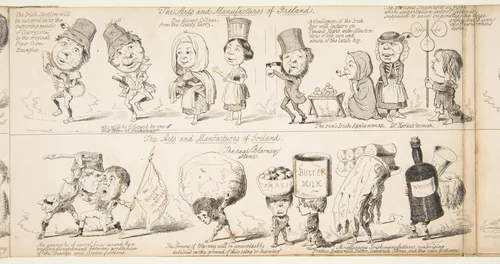
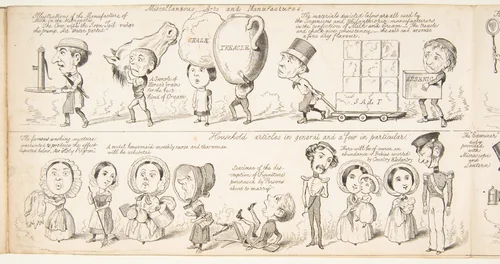
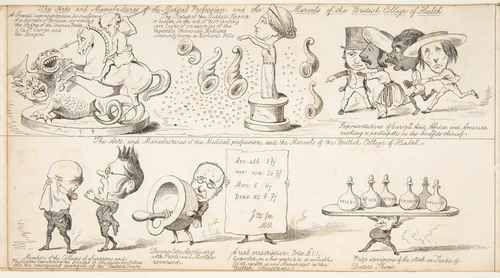
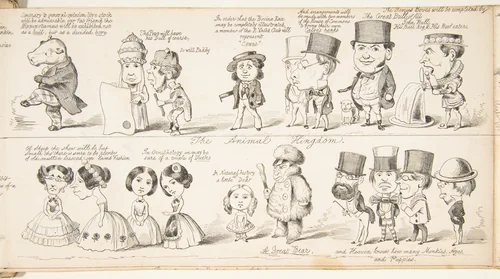
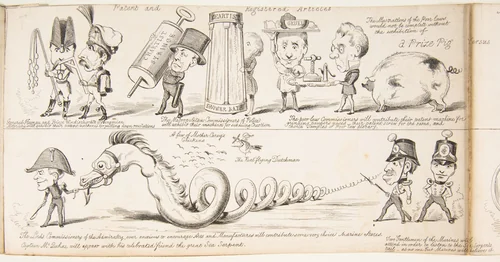
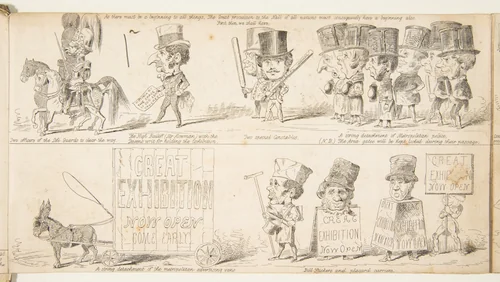
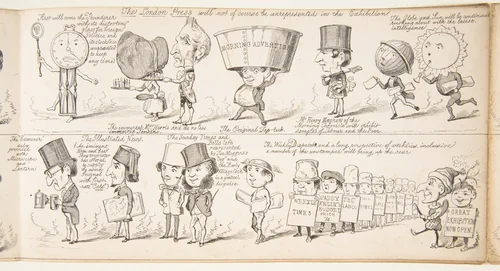
Sala’s most significant artistic contribution consists of approximately fifteen known prints published around 1850, centered on the impending spectacle of the 1851 Great Exhibition. His most circulated series, The Great Exhibition "Wot is to Be", functions as a pre-emptive visual critique of the monumental event. These works capture the era’s blend of nervous excitement and class-driven cynicism, illustrating improbable, often chaotic, future scenarios stemming from the influx of international industry and culture. Sala employed a distinctive visual wit that mirrored the journalistic style he would soon perfect, transforming societal anxiety into accessible, high-quality prints for the mass market.
As his literary career rapidly ascended, Sala’s visual commentary provided the foundation for a reputation built upon quick observation and pointed social analysis. The breadth of his influence was profound; having successfully established his voice in print, he later undertook ventures such as founding his own periodical, Sala’s Journal. Though this publishing experiment proved unsuccessful, his simultaneous role as a founder of the Sydney Savage Club demonstrates his enduring skill in establishing influential cultural institutions, highlighting a fascinating tension between his business aspirations and his social acumen.
The visual record of George Augustus Sala prints, held today in collections such as the Metropolitan Museum of Art, offers museum-quality documentation of mid-century British satire. These historical artifacts remain accessible to contemporary audiences, frequently available as downloadable artwork through the public domain, preserving Sala’s biting, foundational commentary on the birth of modern globalization.
Source: Wikipedia · CC BY-SA 4.0